Installation guide








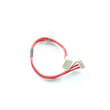
How do I reset the lid lock on a Maytag washer?
For your Maytag MAT20CSAWW0 washer, the most reliable lid lock reset is a power reset: unplug the washer (or switch off the breaker) for 5 minutes, then restore power and start a cycle. If the lid still will not unlock or lock, troubleshoot the latch and wiring next.
- Press Cancel/Stop once to end the cycle.
- Wait 1 to 2 minutes for the lock to release.
- Unplug the washer (or turn off the breaker) for 5 minutes.
- Restore power.
- Close the lid firmly and start a normal cycle.
If the washer was recently moved or installed, confirm it is set up correctly because excessive vibration or shifting can prevent proper lid lock operation. Use the leveling steps in the installation guide.
A lid lock problem is often caused by a simple mechanical issue (lid not closing squarely) or an electrical issue (lock not getting power).
- Make sure the lid closes fully and is not hitting the cabinet
- Check for detergent residue or corrosion around the lid strike area
- Verify the washer is level and all feet are firmly on the floor
- Listen for a distinct “click” when the lock engages
- If the lock clicks but the washer still will not run, inspect the lock wiring and connector seating
If the lock is physically broken, intermittent, or not actuating, replacement is typically the fix.
| Symptom | Most likely area | Example part for MAT20CSAWW0 |
|---|---|---|
| Lid will not lock, washer will not start | Lid lock mechanism | Washer door lock WPW10482836 |
| Lid locks but cycle stops or acts erratic | Control not reading lock state | Commercial washer electronic control board (model-specific) |
On commercial laundry models like the MAT20CSAWW0, the lid lock is a safety interlock. If the control does not sense a locked lid, it can prevent agitation and spin, or stop mid-cycle to protect users and the drive system.
Last updated: February 2026
What is the most common problem with a Maytag washer?
The most common Maytag washer problem is a drain and spin issue: the washer won’t drain fully, won’t reach high spin, or leaves clothes too wet. On the Maytag MAT20CSAWW0, start by checking the drain path (hose, pump, and load balance) using the steps in the installation guide.
- Water left in the tub at the end of the cycle
- Clothes come out dripping wet or heavier than normal
- Humming or grinding during drain
- Slow drain, intermittent drain, or repeated attempts to spin
- Suds overflow or minor leaks tied to poor draining
- Power reset: Unplug for 1 minute, then retry a drain/spin cycle.
- Load and balance: Redistribute bulky items; avoid washing one heavy item alone.
- Drain hose: Make sure it is not kinked, crushed, or pushed too far down the standpipe.
- Standpipe and laundry sink: Confirm the household drain is not backing up.
- Listen at drain time: A loud buzz with no water movement often points to a restricted pump or blocked hose.
If the basic checks don’t help, these are frequent repair paths for this model:
- Drain pump not moving water: Replace the washer drain pump assembly WPW10276397.
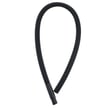
- Cracked or restricted drain hose: Replace the washer drain hose W11244231.
- Loose drive components or abnormal noise: Inspect the whirlpool washer drive pulley W10721967 and related hardware.
| Symptom | Most likely cause | What to do next |
|---|---|---|
| Won’t drain, motor hums | Pump jammed or failed | Check for blockage; replace pump if needed |
| Drains slowly | Kinked hose or partial restriction | Re-route/replace drain hose |
| Won’t spin fast, tub still wet | Unbalanced load or drive issue | Rebalance load; inspect pulley and drive system |
Drain and spin problems can look like a “bad washer,” but they often come from a simple restriction or a worn pump. Fixing the drain path first prevents repeat issues like odor, oversudsing, and extra wear on the drive system.
Last updated: February 2026
How to get a Maytag washer to drain and spin?
On the Maytag MAT20CSAWW0, a drain and spin problem is usually caused by a drain restriction, a kinked/incorrectly routed drain hose, or a failed drain pump. We recommend checking the drain hose setup first, then confirming the pump is running and moving water.
- Unplug the washer for safety before inspecting parts.
- Make sure the drain hose is not kinked, crushed, or shoved too far down the standpipe.
- Verify the drain hose is secured and routed correctly to prevent siphoning or leaks (routing guidance is in the installation guide).
- Check the laundry load: one heavy item can throw the basket off balance and stop or limit spin.
- Listen for the drain pump during the drain portion: a steady hum with little or no water flow points to a clog or pump issue.
- Confirm the drain path is clear: standpipe or laundry tub must accept water fast enough.
- Inspect the drain hose: look for pinches behind the washer and at the drain port connection.
- Check for pump symptoms:
- Pump runs but drains slowly: likely blockage in hose or pump.
- Pump is loud/grinding: pump impeller damage is common.
- Pump is silent: possible wiring/control/lock issue (commercial models may prevent spin if conditions are not met).
If the pump is the issue, the correct replacement for this model is the washer drain pump assembly WPW10276397.
| What happens | What it usually means | What to check next |
|---|---|---|
| Water drains fast, then spins | Normal operation | No repair needed |
| Pump hums, little water moves | Restriction or failing pump | Hose routing, clogs, pump |
| No pump sound, no drain | Power/control/lock condition | Power reset, wiring checks |
| Drains but won’t spin | Out-of-balance or spin inhibited | Load balance, mechanical drag |
Draining is the “gate” to high-speed spin. If the washer cannot pump water out quickly, it will protect the drive system by reducing or stopping spin, which leaves clothes wet and can strain the motor, belt, and pulley.
Last updated: February 2026
What is the average lifespan of a Maytag washing machine?
A Maytag washer typically lasts 10 to 13 years. A commercial Maytag washer like MAT20CSAWW0 often reaches the high end of that range when it’s installed correctly, kept level, and maintained to prevent drain, suspension, and drive wear (see the installation guide).
Most washer life comes down to cycle count, load habits, and how well the machine stays balanced.
- Light household use: about 10 to 13 years
- Heavier or commercial use: often 7 to 12 years (more cycles per year)
- Best-case with good upkeep: 12+ years
These are the maintenance habits that most directly reduce stress on the tub, drive system, and drain system.
- Keep the washer level and stable; re-level if it starts walking or vibrating.
- Avoid overloading; heavy, wet loads accelerate suspension and bearing wear.
- Use the right amount of detergent; oversudsing can contribute to drain and odor issues.
- Check the drain path for slow draining; a weak pump can shorten cycle life.
- Inspect hoses periodically and replace at the first sign of cracking or bulging.
When a washer starts failing near the end of its service life, these parts are frequent culprits on many Maytag-built platforms.
| Symptom | Commonly involved system | Example part for MAT20CSAWW0 |
|---|---|---|
| Won’t drain or drains slowly | Drain system | Washer drain pump assembly WPW10276397 |
| Excessive shaking or banging | Suspension | Damper/suspension components (varies by symptom) |
| Won’t spin, squeals, or slips | Drive system | Whirlpool washer drive pulley W10721967 |
| Leaks at drain connection | Drain hose/clamps | Washer drain hose W11244231 |
A washer’s “lifespan” is really the point where repairs become frequent (or downtime becomes unacceptable). Staying ahead of vibration, draining, and hose issues helps protect expensive assemblies like the outer tub and control components.
Last updated: February 2026