Owner’s manual
 Error Codes




Is the LG WM4000HWA washer any good?
Yes. The LG WM4000HWA is a strong, high-performing front-load washer with a fast 1300 RPM max spin, solid capacity for everyday family loads, and modern cycle options; it is also built to run on standard 120 VAC power and typical home water pressure (20 to 120 psi). See the WM4000HWA owner's manual for the feature list and operating tips.
What we like about this model
- High max spin speed (1300 RPM) helps remove more water, so clothes dry faster.
- Standard electrical requirement (120 VAC @ 60 Hz) fits most laundry rooms.
- Wide supported water pressure range (20 to 120 psi) works with most home plumbing.
- Front-load design is typically efficient with water and detergent when loaded correctly.
- Clear access points called out in the manual (drain pump filter, drain hose, door seal) make routine care more straightforward.
Quick specs snapshot (WM4000HWA)
| Spec | What to expect |
|---|---|
| Dimensions (W x H x D) | 27 in x 39 in x 30 1/4 in |
| Max depth with door open | 55 in |
| Max spin speed | 1300 RPM |
| Water pressure | 20 to 120 psi |
| Net weight | 198.4 lb |
What to watch for with any front-load washer
Front-load washers clean extremely well, but they need a few habits to stay fresh and trouble-free:
- Leave the door slightly open between loads so the door seal can dry.
- Wipe the door seal and glass if you see moisture or residue.
- Use HE detergent and avoid overdosing (too much soap can cause odor and residue).
- Check and clean the drain pump filter periodically.
- Level the washer carefully to reduce vibration and walking.
Why it matters
A washer that spins fast and is properly installed and maintained will deliver better cleaning, shorter dry times, and fewer nuisance issues like odor, vibration, and slow draining. The WM4000HWA’s published specs support that kind of performance when it is set up and used correctly.
Last updated: February 2026
What is the average lifespan of an LG washing machine?
Most LG washing machines last 10 to 15 years with normal household use. For your LG WM4000HWA front-load washer, consistent maintenance (regular cleaning, correct loading, and prompt fixes for leaks or draining issues) is what most directly extends service life; see the WM4000HWA owner's manual for the recommended care schedule.
Typical lifespan and what affects it
A washer’s lifespan is mainly driven by load size, cycle frequency, water quality, and how well the tub and drain system are kept clean.
- Overloading increases stress on the tub, bearings, and suspension
- Too much detergent can cause residue buildup and odors
- Hard water can leave mineral deposits in valves and hoses
- Poor leveling increases vibration and wear
- Ignoring small leaks can lead to bigger failures
Maintenance that adds years (high impact)
These are the habits we recommend most for LG front-load washers like the WM4000HWA:
- Run the washer’s tub-clean/cleaning routine on a regular schedule
- Leave the door slightly open between loads to dry the boot area
- Wipe the door boot and glass after washing bulky or linty loads
- Check inlet hoses for wear and replace them about every 5 years
- Keep the drain path clear; slow draining shortens pump life
Quick reference: symptoms and likely wear areas
| Symptom | Common cause | What to check first |
|---|---|---|
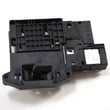
| Door won’t lock or cycle won’t start | Door lock issue | LG washer door lock EBF61315802 |
| Water leaking at the door | Boot or clamp issue | LG washer door boot AGM30030702 and washer door boot spring clamp ACA56078801 |
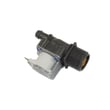
| Won’t fill or fills slowly | Inlet valve or hose screens | Washer water inlet valve 5220FR2006Z |
| Won’t drain or leaves water in tub | Drain pump or blockage | Washer drain pump assembly AHA75853813 |
Why it matters
A front-load washer can run for a decade or more, but small maintenance steps prevent the most common early failures: odor and residue buildup, leaks at the door boot, and drain or fill problems. The manual also calls out hose replacement intervals and proper water conditions that help protect internal components.
Last updated: February 2026
What is the most common problem with LG washers?
The most common problems we see with LG washers like model WM4000HWA are draining trouble (slow or no drain), out-of-balance shaking during spin, and water leaks around the door or hoses. Many of these start with simple maintenance, correct loading, and checking hoses and clamps per the WM4000HWA owner's manual.
Most common issues (and what they look like)
- Drainage problems: water left in the tub, long drain times, or a cycle that stops before finishing.
- Out-of-balance vibration: banging, walking, or excessive shaking during spin.
- Leaks: dripping at the fill hoses, water backing up at the standpipe, or seepage at the door seal area.
- Fill-related noise (water hammer): loud banging in plumbing when valves shut off.
- Dispensing mistakes: staining from adding bleach/softener incorrectly or overfilling compartments.
Quick checks we recommend first
- Confirm loading: the drum can be full, but not tightly packed; the door should close easily.
- Inspect for leaks: check hose connections for cracks/splits and tighten fittings (do not overtighten).
- Watch the drain: during drain, look for water backing up from the standpipe (a clogged house drain can mimic a washer problem).
- Secure the drain hose: make sure it is inserted correctly and tied so it cannot pop out during drain.
- Address water hammer: add water hammer arrestors between the fill hose and washer if banging occurs.
Parts that commonly relate to these symptoms
| Symptom | Common area to inspect | Example part for WM4000HWA |
|---|---|---|
| Door will not lock, cycle will not start | Door lock/latch system | LG washer door lock EBF61315802 |
| Leaks at the door opening | Door boot and clamps | LG washer door boot AGM30030702 |
| Slow/no drain, water left in tub | Drain pump and filter area | Washer drain pump assembly AHA75853813 |
| Won’t fill or fills slowly | Water inlet valve and screens | Washer water inlet valve 5220FR2006Z |
Why it matters
Catching these issues early prevents repeat cycle failures, water damage from hose or drain problems, and premature wear from chronic out-of-balance spinning. It also helps you replace only the part that matches the symptom.
Last updated: February 2026