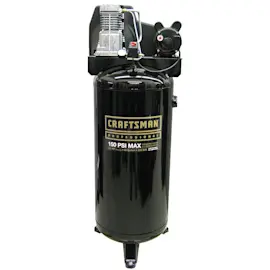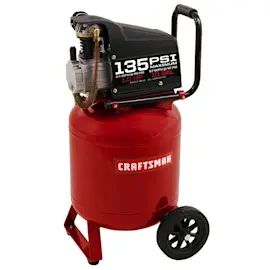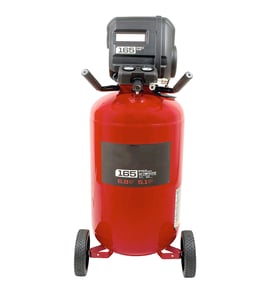

Are Ingersoll Rand compressors any good?
Yes. Ingersoll Rand air compressors, including the T10560V1D, are widely regarded as durable, consistent performers for demanding shop and jobsite use; they are typically a strong choice when you want steady air delivery, long service life, and dependable components.
When customers ask this, we evaluate the same practical factors you will notice in real use:
- Build quality: pump, tank, fittings, and fasteners hold up under vibration
- Performance consistency: stable pressure recovery and usable CFM for tools
- Reliability: fewer nuisance issues like air leaks, hard starting, or overheating
- Serviceability: common wear items can be maintained (oil, filters, valves, switches)
- Fit for your tools: matches your PSI and CFM needs without running constantly
Use this as a simple way to judge whether an Ingersoll Rand unit is a good match for what you run.
| Tool type | Typical air demand | What to look for | What you will notice if undersized |
|---|---|---|---|
| Brad/finish nailers | Low | Stable cut-in/cut-out | Rarely a problem |
| Impact wrench/ratchet | Medium | Adequate CFM at 90 PSI | Slow recovery, pressure drop |
| HVLP/painting | Medium to high | Higher CFM, clean dry air | Inconsistent spray pattern |
| Die grinder/sander | High | High CFM, strong duty cycle | Compressor runs nonstop |
Even a high-quality compressor performs poorly if setup and maintenance are ignored.
- Keep the tank drained to reduce internal rust and water carryover
- Check for air leaks at quick-connects, regulators, and fittings
- Use the correct power supply and breaker size for the motor
- Maintain proper ventilation around the pump and motor
- If it is an oil-lube design, keep oil level correct and change it on schedule
A “good” compressor is the one that maintains pressure without excessive run time. That protects the motor, reduces heat, and helps air tools (and paint guns) perform consistently.
For general repair safety practices while troubleshooting electrical components (switches, cords, motors), follow are diy appliance repairs safe.
Last updated: February 2026
Is it worth it to repair a compressor?
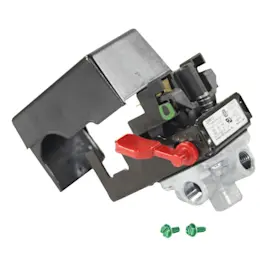
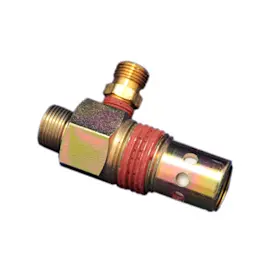
Yes, it’s worth repairing an Ingersoll Rand T10560V1D air compressor when the problem is limited to a serviceable component (like a pressure switch, check valve, or unloader) and the tank and pump are in good shape; it’s usually not worth it when the pump is worn out and repair costs approach replacement cost.
- Repair if the compressor builds pressure normally but won’t start, won’t shut off, or leaks air from a fitting or valve.
- Repair if the issue is electrical/control (switch, wiring, capacitor, motor overload) and the pump is healthy.
- Replace if the pump has low compression (runs but can’t reach cut-out pressure) or heavy knocking from internal wear.
- Replace if the tank shows deep rust, pitting, or seepage at welds or the drain area.
- Replace if you need multiple major parts at once (pump + motor + controls).
- Air leaks: Listen for hissing at the regulator, quick-connect, safety valve, drain valve, and fittings.
- Check valve/unloader symptoms: If it struggles to restart and you hear air bleeding off after shutoff, the unloader or check valve is often involved.
- Pressure switch behavior: If it won’t shut off at pressure or won’t start at low pressure, the switch or its sensing line can be the cause.
- Electrical basics: Verify the outlet/breaker, cord condition, and any obvious loose or burned connections.
| Situation | Typical outcome | Usually the better choice |
|---|---|---|
| Reaches pressure but won’t restart | Control or unloader/check valve issue | Repair |
| Runs continuously, never reaches cut-out | Leak or worn pump valves/rings | Depends (leak = repair; worn pump = replace) |
| Loud knocking, metal noise, oil blow-by | Internal pump wear | Replace |
| Tank corrosion or seepage | Structural risk | Replace |
A single-stage air compressor like the T10560V1D can look “dead” from a simple air leak or control failure, but a worn pump or compromised tank turns into repeated downtime and higher total cost. A quick diagnosis keeps you from buying parts that won’t restore performance.
For safe electrical checks during troubleshooting, use our guide: how to use a multimeter to test electrical parts video.
Last updated: February 2026
What is the average lifespan of an air compressor?
Most air compressors last 10 to 15 years in typical home or light shop use when they are maintained and not run overheated or over-pressurized. For an Ingersoll Rand T10560V1D single-stage air compressor, lifespan is driven mainly by duty cycle, tank condition, and routine service.
These ranges help set expectations when you are comparing a single-stage unit like the T10560V1D to other designs.
- Oil-lube, single-stage (home/light shop): 10 to 15 years
- Oil-free, portable (DIY/occasional): 5 to 10 years
- Two-stage, shop/industrial piston: 15 to 20 years
- Rotary screw (industrial, maintained): 15 to 25 years
| Compressor type | Typical use | Typical lifespan |
|---|---|---|
| Oil-free portable | Intermittent, small tools | 5 to 10 years |
| Single-stage piston (oil-lube) | Home/light shop | 10 to 15 years |
| Two-stage piston | Higher demand shop | 15 to 20 years |
| Rotary screw | Continuous/production | 15 to 25 years |
If you want the tank, pump, and motor to last, these are the big life-reducers we see most often:
- Running past the rated duty cycle (long continuous run time)
- High heat from poor ventilation or clogged cooling fins
- Moisture left in the tank (internal rust)
- Air leaks that make the compressor cycle too often
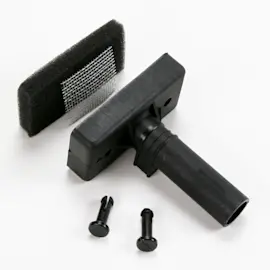
- Dirty intake filter (accelerates pump wear)
- Wrong oil type or low oil on oil-lube units
Use this as a simple schedule for a single-stage compressor like the Ingersoll Rand T10560V1D.
- Drain the tank after each use (or daily in humid conditions)
- Check oil level before use (if oil-lube)
- Clean or replace the intake filter regularly
- Inspect the safety valve and pressure switch operation
- Listen for leaks at fittings, hose couplers, and the check valve
Compressor “lifespan” is often limited by tank corrosion or pump wear, not just age. Keeping moisture out of the tank and keeping the pump cool reduces cycling, lowers amp draw, and helps the motor and valves last longer.
For basic electrical checks that protect the motor and pressure switch, we use the steps in how to use a multimeter to test electrical parts video.
Last updated: February 2026
What is the most common cause of air compressor failure?
The most common cause of failure on an Ingersoll Rand single-stage air compressor like model T10560V1D is poor maintenance that leads to overheating and accelerated wear. Dirty intake filtration, incorrect or low oil (on oil-lubricated units), and running with restricted airflow commonly damage valves, bearings, and seals.
- Overheating from poor ventilation, clogged cooling fins, or long run times
- Restricted intake air from a dirty or missing air filter
- Incorrect lubrication (wrong oil type, low oil level, or old oil)
- Air leaks at fittings, hoses, tank drain, or check valve that force longer run time
- Electrical issues such as a weak capacitor, failing pressure switch, or loose wiring
- Moisture and corrosion from not draining the tank regularly
- Verify the compressor has open airflow around the pump and motor (not boxed in).
- Inspect the intake filter area; clean or replace the element if it is dusty or oily.
- Listen for constant hissing after shutoff (points to a leak or check valve issue).
- Drain the tank fully; look for heavy water, rust flakes, or milky oil smell nearby.
- If it will not start, test the outlet power and inspect wiring condition using a safe process like in how to use a multimeter to test electrical parts video.
| Symptom | Most likely cause | What to do first |
|---|---|---|
| Runs hot, shuts off | Overheating, restricted airflow | Improve ventilation, clean fins, reduce duty cycle |
| Runs constantly, low pressure | Air leak, worn valves | Check for leaks, then inspect valve function |
| Slow to build pressure | Dirty filter, valve wear | Clean intake, check for unusual pump noise |
| Hums but will not start | Electrical start issue | Check power, capacitor, pressure switch wiring |
When airflow is restricted or leaks force long run times, the compressor operates hotter and longer than designed. That heat breaks down oil (if equipped), hardens seals, and warps valve components, which turns a small maintenance issue into a major repair.
Last updated: February 2026