Error Codes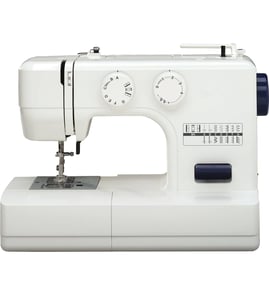

Are older sewing machines worth anything?
Yes. Older sewing machines can be worth real money, but value depends on the exact model, condition, and whether it sews smoothly. For a Kenmore mechanical sewing machine like model 14812210, most resale value comes from being complete, clean, and fully functional rather than from age alone.
What typically drives the value
- Brand and model demand: some vintage models have strong collector interest; many common models do not.
- Working condition: stitches form correctly, motor runs, and the machine does not bind or lock up.
- Completeness: original foot pedal, power cord, bobbins, presser feet, and case/cabinet raise value.
- Service history: recently cleaned and lubricated machines sell faster.
- Cosmetics: rust, cracked plastic, missing knobs, and damaged wiring reduce value.
Quick value ranges you can use
These are practical ranges we see for typical older home machines (not rare collector pieces):
| Condition | What it means | Typical range (USD) |
|---|---|---|
| As-is / not sewing | Powers on inconsistently, jams, or missing parts | $20 to $75 |
| Working | Sews basic stitches, normal noise, complete | $75 to $200 |
| Serviced + complete | Tuned, smooth running, accessories included | $150 to $350 |
| Collector-grade | Rare model, exceptional condition, high demand | $300+ |
How to estimate your Kenmore 14812210 value in 15 minutes
- Confirm it powers on and the light and motor behave normally.
- Sew a test on cotton: straight stitch and zigzag; check for skipped stitches and thread nests.
- Listen for knocking or grinding; handwheel should turn smoothly.
- Check that feed dogs move fabric; if not, use the steps in sewing machine fabric not moving.
- If it binds, review sewing machine locks up to narrow the cause.
Why it matters
A machine that is simply “old” is often priced like a used tool, but a machine that is proven to sew correctly is priced like a ready-to-use appliance. A basic cleaning, correct threading, and a successful stitch test can move it into a higher value bracket.
If you decide to repair it first, we list model-specific parts for Kenmore 14812210 on the parts diagrams, and you can also search by model number on Sears PartsDirect.
Last updated: February 2026
How to tell the age of a sewing machine by serial?
For a Kenmore sewing machine like model 14812210, the serial number helps identify the manufacturing run and maker, but dating is done by combining the serial format with the machine’s design features. Use the serial plus model details to narrow the decade and confirm with matching parts style.
Where to find the serial number
Look for a stamped plate or label and copy the serial exactly (letters, numbers, and dashes):
- Underside of the base (near the front edge)
- Back of the machine near the power cord or foot control connection
- Inside the accessory compartment (if equipped)
- On an ID plate/label on the frame or bed
How we narrow down the age (practical method)
Use this workflow to estimate the build era:
- Note the serial pattern (letters + numbers, all numbers, prefixes)
- Compare construction and controls (all-metal body, dial style, reverse lever)
- Check whether it behaves like an electronic model (beeps, display, stored codes)
- Match common wear parts by style (belt type, bobbin system, needle plate shape)
Quick feature guide (typical)
| What you see | Typical era | What it suggests |
|---|---|---|
| All-metal body, mostly mechanical dials | 1960s to 1980s | Classic mechanical Kenmore builds |
| More plastic exterior, still mechanical | 1980s to 1990s | Material transition period |
| Display, beeps, or error codes | 1990s and newer | Electronic controls present |
Why it matters
Knowing the approximate age helps us choose compatible parts and service steps (cleaning lint, correct oiling points, and avoiding damage from running a binding machine).
Next steps
- Start with the model-based parts list; then use Sears PartsDirect to search by model number if you need additional diagrams or parts.
- If your machine shows code-like behavior, use Kenmore 385 error codes or Kenmore ergo3 error codes to interpret symptoms.
- If it binds or runs slow, follow sewing machine locks up or sewing machine runs sluggish before continued use.
Last updated: February 2026
What is the most sought after vintage sewing machine?
The most sought-after vintage sewing machine is typically the Singer Featherweight (Model 221 or 222) because it is portable, all-metal, and has a strong collector market. For Kenmore owners, your Kenmore 14812210 is also a desirable vintage-style mechanical machine when it is complete, clean, and sewing smoothly; you can look up parts by model on Sears PartsDirect.
Most in-demand vintage machines (and why)
Collectors and sewists usually chase machines that combine durability, stitch quality, and easy service.
- Singer Featherweight 221/222: lightweight, iconic, excellent straight stitch
- Singer 301: fast, smooth, strong straight stitch in a portable body
- Singer 401/403: all-metal “workhorse” machines with more stitch options
- Bernina 730/830 series: premium build, precision, long-term serviceability
- Necchi BU / Supernova: powerful motor, great stitch formation, strong zigzag capability
What drives value the most
Condition and completeness matter as much as the brand name.
| Value factor | What buyers look for | Why it matters |
|---|---|---|
| Condition | Clean internals, no seized shafts, steady speed | Repairs can cost more than the machine |
| Completeness | Case, foot pedal, power cord, original feet and attachments | Missing accessories reduce usability and value |
| Stitch performance | Balanced tension, consistent feed, no skipped stitches | Shows the machine is timed and adjusted correctly |
| Rarity and cosmetics | Rare finishes, decals, special editions | Collectors pay for scarcity and originality |
Quick checks before you buy or sell a vintage machine
These steps help you judge whether a “great deal” is actually a good sewing machine.
- Hand-turn the handwheel; it should rotate smoothly without binding
- Test stitch on cotton; confirm forward and reverse feed work
- Listen for knocking or grinding; light hum is normal, harsh noise is not
- Inspect wiring and foot pedal for cracking or overheating
- Confirm the bobbin system matches the machine (correct class and orientation)
Why it matters
The “most sought after” machine is the one that fits your sewing goals and is easy to keep running. A popular model with available parts and straightforward mechanical adjustments usually delivers the best long-term value.
Last updated: February 2026