Owner’s manual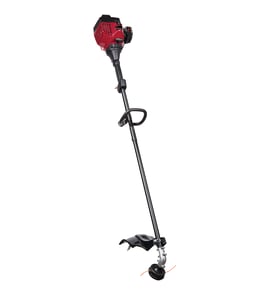



How to replace line on Craftsman gas trimmer?
On the Craftsman 358791070 gas line trimmer, you replace the cutting line by removing the old line and line glide plate, reinstalling the line glide plate, then feeding a new line through the correct holes so both ends are the same length. Follow the hole and arrow guidance in the 358791070 owner's manual.
Before you start (safety and setup)
- Disconnect the spark plug boot before maintenance so the trimmer cannot start unexpectedly.
- Let the engine cool completely.
- Wear gloves and eye protection.
- Use only Craftsman replacement line (never wire, rope, or string).
- Inspect the trimmer head; replace cracked or damaged head parts before using.
Steps to replace the trimmer line
- Remove the old line and remove the line glide plate from the cutting head.
- Clean the entire surface of the cutting head.
- Reinstall the line glide plate before inserting new line.
- Feed both ends of the new line through the proper holes in the side of the cutting head (the correct holes depend on line diameter; use the line glide plate markings).
- Pull the line so it seats against the hub and extends fully through the positioning tunnels.
- Confirm both ends are the same length.
Choosing the right line (what the manual calls out)
| Line type | Typical use | Notes |
|---|---|---|
| Red line (#71-85908) | Grass and small weeds | Medium duty cutting |
| Black line (#71-85909) | Larger weeds and light brush | Heavier duty cutting |
Why it matters
Correctly routing the line through the proper holes and positioning tunnels keeps the line from tangling, helps the head feed line evenly, and reduces vibration while trimming.
Last updated: January 2026
What is the fuel mix for a Craftsman gas trimmer?
For the Craftsman gas line trimmer model 358791070, we use a 40:1 fuel mix: unleaded gasoline plus synthetic 2-cycle air-cooled engine oil. That equals 3.2 oz of 2-cycle oil per 1 gallon of gas (or one 3.2 oz bottle per gallon). See the 358791070 owner's manual for the exact fueling steps and safety rules.
Correct 40:1 mix (quick reference)
- Use fresh unleaded gasoline
- Use synthetic 2-cycle air-cooled engine oil (not automotive or marine oil)
- Mix 3.2 oz oil with 1 gallon gas
- Shake the fuel container briefly to fully blend
- Mix and pour fuel outdoors, away from sparks or flames
| Gasoline amount | Oil amount (40:1) |
|---|---|
| 1 gallon | 3.2 oz |
| 1/2 gallon | 1.6 oz |
| 1 quart | 0.8 oz |
Fueling and storage tips that prevent hard starting
- Wipe up any spilled fuel before starting
- Move the trimmer at least 10 feet away from the fueling spot before starting
- If storing 30 days or longer, drain the tank and run the engine until it stops (empties fuel lines and carburetor)
- Use fresh, properly mixed fuel at the start of the next season
Why it matters
A true 40:1 mix gives the 2-cycle engine the lubrication it needs. Too little oil can damage the engine; too much oil can cause heavy smoke, carbon buildup, and poor performance.
Last updated: January 2026
What size string for Craftsman string trimmer?
For the Craftsman 358791070 gas line trimmer, we recommend using Craftsman replacement cutting line and selecting the diameter that matches the cutting head’s line glide plate settings. This model supports different line sizes for different jobs, so choosing the correct diameter helps prevent poor cutting and excessive head wear; see the 358791070 owner's manual.
How to choose the right line size for the job
The manual calls out two common Craftsman line types by use case:
- Red line (#71-85908): best for grass and small weeds
- Black line (#71-85909): best for larger weeds and light brush
- Use the largest line your head is set up for when cutting thicker growth
- Use a smaller line for light trimming to reduce line consumption
- Never use wire, rope, or string in place of trimmer line
Match the line to the cutting head (line glide plate)
Before installing new line, the manual instructs you to identify the proper holes and align the line glide plate arrow for the line size you’re using.
| What you are doing | Best practice | What happens if it’s wrong |
|---|---|---|
| Light trimming | Use a smaller diameter line setting | Line may feed poorly if too large |
| General yard trimming | Use the medium setting shown on the glide plate | Uneven cutting, faster wear |
| Heavy weeds or light brush | Use the larger diameter setting shown on the glide plate | Stalling, head damage, breakage |
Quick tips to reduce line breakage and waste
- Let the tip of the line do the cutting; do not force it into heavy growth
- Use less than full throttle for trimming or scalping near fences and trees
- Keep the cutting head about 3 inches above the ground when trimming
- Avoid crowding the line into the cutting area
- Replace chipped or cracked trimmer head parts before use
Why it matters
Correct line diameter and proper glide plate alignment help the 358791070 cut cleanly, feed line consistently, and avoid premature wear on the trimmer head and gearbox.
Last updated: January 2026