View engine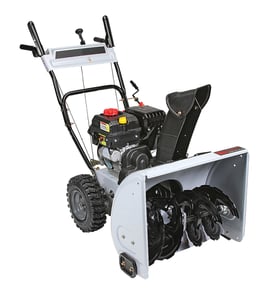



Where is the model number on a snowblower?
On the Craftsman snow thrower model 536882600, the model number is printed on a rating label (sticker or metal tag) attached to the machine. It’s most often located on the rear frame between the wheels, or on the back or side of the housing near the handles.
Common places to check
- Rear of the unit between the wheels (rear frame plate)
- Back of the housing near the handle supports
- Side of the frame near the engine mounting area
- Under the control panel area (near the handles)
- On the auger housing side panel (less common)
How to find it quickly
- Turn the engine off and let all moving parts stop.
- Use a flashlight and wipe off snow, salt, and grime.
- Look for a label that includes the model number and sometimes a serial number.
- Write the number down exactly as shown (for this unit: 536882600).
What the label usually looks like
| What you’ll see | What it’s used for | Tip |
|---|---|---|
| Model number | Matching the correct parts diagram | Use the full number, not just “Craftsman” |
| Serial number | Identifying production run details | Helpful when parts have revisions |
| Brand name | Confirming manufacturer family | Craftsman can share parts across platforms |
Why it matters
The model number is the fastest way to match the correct drive system, auger components, and hardware for your exact snowblower. Once you have it, you can confidently choose parts like a v-belt 51304MA or idler pulley 1502120MA that fit this model.
Last updated: February 2026
How to tell year of Craftsman snowblower by serial number?
For Craftsman model 536882600 (26" 7-hp snow thrower), the most reliable way to determine the build year is to decode the serial number on the unit’s ID label; many Craftsman snowblowers use a date-coded serial format where the early characters represent the manufacturing date.
Where to find the serial number on a Craftsman snowblower
Check these common locations on the frame or housing:
- Rear of the frame near the wheels
- Side of the auger housing
- Near the engine mounting area
- On a label plate riveted to the chassis
If the label is damaged or painted over, gently clean it so the characters are readable.
How to decode the year from the serial number
Craftsman snowblower serial formats vary by production run, but these patterns are common:
- All-numeric date code: often includes year, month, day in the first 6 digits (for example, YYMMDD or similar).
- Letter-coded year: some newer Craftsman serials use a letter for the year plus numbers for month/day.
- Engine date code: if the snowblower label is unreadable, the engine often has its own manufacturing code that can confirm the engine’s build year (helpful for estimating the snowblower’s age).
Quick decoding checklist
- Write the serial number exactly as shown (include letters).
- Look at the first 6 to 8 characters for a date pattern.
- Compare the decoded date to the machine’s features (controls, chute style, etc.) for a sanity check.
Serial number formats at a glance
| What you see in the serial | What it usually means | What to do |
|---|---|---|
| Mostly numbers up front | Date is embedded as digits | Try reading first 6 digits as a date |
| Starts with a letter then numbers | Letter may represent the year | Identify the year letter, then decode remaining digits |
| Label unreadable | Unit date can’t be read directly | Use the engine’s code as a cross-check |
Why it matters
Knowing the correct year helps us match the right replacement parts and revisions for your Craftsman 536882600, especially for wear items like the drive system and hardware.
Parts that commonly vary by production run
- Drive belt and traction components
- Idler and pulley hardware
- Skid shoes and fasteners
If you’re servicing the drive system while you’re identifying the unit, the idler pulley 1502120MA is one of the common wear parts on this model.
Last updated: February 2026
Is it cheaper to repair or replace a snowblower?
Repair is cheaper for a Craftsman 536882600 (26-inch 7-hp snow thrower) when the problem is a wear item or adjustment, such as a belt, pulley, skid shoes, or hardware. Replace the snowblower when the engine has major internal problems or when the total repair cost approaches about half the price of a comparable new unit.
Quick decision checklist
- Repair when the machine starts and runs well, but the auger or drive performance is weak (often belt or idler related).
- Repair when the fix is a common wear part (belt, idler pulley, skid shoes, nuts/bolts).
- Repair when the housing and auger area are solid (no major structural damage).
- Replace when the engine has low compression, heavy smoking, or repeated no-start issues after basic fuel and ignition service.
- Replace when multiple major systems need work at the same time (engine plus auger/drive plus rusted structure).
Typical costs and what they usually mean
| Situation | Usually cheaper choice | Why |
|---|---|---|
| Worn drive/auger belt or slipping under load | Repair | Parts are relatively low cost and restore performance quickly. |
| Worn idler pulley or tension issue | Repair | Common wear item; prevents belt slip and squeal. |
| Skid shoes worn down and scraping | Repair | Simple replacement helps protect the scraper bar and auger housing. |
| Engine internal failure (compression, crank, major oil burning) | Replace | Labor and parts add up fast, and reliability stays uncertain. |
Parts that commonly make repair worthwhile on this model
If your Craftsman 536882600 is otherwise in good shape, these common wear parts often solve “won’t move,” “auger won’t spin,” or “slips under load” complaints:
- V-belt 51304MA (drive or auger belt, depending on your setup)
- Idler pulley 1502120MA (helps maintain correct belt tension)
- Skid 582905MA (helps set scraper height and reduces wear on the housing)
Why it matters
A snowblower that is mechanically sound but slipping, squealing, or not throwing well is often a straightforward repair. Replacing wear parts early prevents secondary damage (burned belts, damaged pulleys, excessive housing wear) and keeps your machine dependable during storms.
Last updated: February 2026
What is the life expectancy of a snowblower?
A typical gas snowblower like the Craftsman 536882600 (26-inch, 7-hp snow thrower) lasts 15 to 20 years with normal residential use and consistent maintenance. Heavy use, poor storage, and skipped service shorten life; timely belt and wear-part replacement extends it.
Typical lifespan by snowblower type
| Snowblower type | Typical life expectancy | What usually ends it first |
|---|---|---|
| Gas (2-stage) | 15 to 20 years | Belts, friction drive wear, rust, carburetor issues |
| Gas (single-stage) | 10 to 15 years | Paddle/auger wear, belts, corrosion |
| Corded electric | 8 to 12 years | Switches, motors, gear wear |
| Battery electric | 5 to 10 years | Battery capacity loss, electronics |
What makes a snowblower last longer
- Change engine oil on schedule and use fresh fuel (stabilize fuel for storage).
- Keep the auger housing and chute clean and dry to reduce rust.
- Check belt condition and tension; replace worn belts before they slip.
- Inspect skid shoes and adjust them to protect the scraper bar and housing.
- Lubricate moving points (per your maintenance routine) and keep fasteners tight.
Wear parts that commonly affect performance
On model 536882600, these parts are often involved when performance drops:
- Drive/auger belt: replace a glazed, cracked, or stretched belt such as the v-belt 51304MA.
- Pulley wear or wobble: a noisy or seized pulley can be addressed with the idler pulley 1502120MA.
- Ground-contact wear: if the housing drags or scrapes, inspect and adjust/replace the skid 582905MA.
Why it matters
Most “end of life” snowblower problems are really wear-part or maintenance issues. Replacing a belt, pulley, or skid shoes at the right time restores throwing distance, traction, and safe operation, and it helps prevent bigger failures.
Last updated: February 2026
Should I spray my snowblower with WD-40?
Yes, we recommend spraying a light coat of a non-stick protectant on the snow-contact areas of your Craftsman 536882600 (26" 7-hp snow thrower) to help reduce clogging and surface rust. Use it on the chute and auger housing; keep it off belts, pulleys, friction-drive parts, and hot engine surfaces.
Where it’s OK to spray (and where it’s not)
Use a light mist and wipe off excess.
- OK: discharge chute interior, chute deflector, auger housing interior, impeller housing surfaces
- Avoid: drive/auger belts, idler pulleys, friction disc area, tires, controls, and any braking surfaces
- Avoid: muffler, cylinder head, and other hot engine parts (fire and smoke risk)
- Avoid: spraying directly into bearings or sealed components (use the correct lubricant instead)
Best spray choices for snow sticking
WD-40 can work as a short-term water-displacing film, but silicone-based sprays typically last longer for “non-stick” performance in wet snow.
| Option | Best use | Notes |
|---|---|---|
| Silicone spray | Prevent snow sticking | Usually the best all-around non-stick choice |
| WD-40 | Light rust protection, water displacement | Reapply more often; keep off friction surfaces |
| Dedicated snowblower non-stick spray | Heavy, wet snow conditions | Often longest-lasting; follow label directions |
Quick application steps
- Turn the machine off, let it cool, and remove the key (if equipped).
- Brush out packed snow and ice; let surfaces dry.
- Spray a thin coat inside the chute and housing; wait a few minutes.
- Wipe any overspray off painted areas and anything near belts or pulleys.
- Reapply as needed, especially in wet, sticky snow.
Why it matters
Overspray on drive components can cause slipping, poor throwing performance, and premature wear. For example, if lubricant gets on the belt or pulley surfaces, the auger drive can slip; inspect the v-belt 51304MA and idler pulley 1502120MA if you notice squealing, burning rubber smell, or weak auger engagement.
Last updated: February 2026