 Installation guide
 Owner’s manual




What is the most common problem with a GE dishwasher?
On the GE dishwasher model PDT845SFL3DS, the most common service complaint is that the dishwasher won’t start or won’t run. In many cases, the cause is simple (power issue, door not fully latched, control lock) and can be confirmed quickly using the checks in the PDT845SFL3DS owner's manual.
Quick checks we recommend first
- Confirm the dishwasher door is fully closed and latched.
- Reset a tripped circuit breaker or replace a blown fuse.
- Check for a wall switch that controls dishwasher power (often near the disposer switch) and make sure it is ON.
- Make sure the water valve under the sink is turned ON.
- If the control panel is locked, unlock it using the steps in the manual.
- If the unit shows a leak-related message and cancels the cycle, stop using it and schedule service.
Parts that commonly affect “won’t start” symptoms
If power is good and the dishwasher still will not run, door-latch components are frequent culprits because the control will not start a cycle unless it senses a safe, fully latched door.
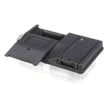
- GE dishwasher door latch lock WD21X10490 (door switch and latch mechanism)
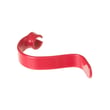
- Dishwasher door latch strike WD13X10071 (the strike the latch grabs)
Symptom-to-cause guide
| What you notice | Common cause | What to do next |
|---|---|---|
| No lights or response | Breaker, fuse, wall switch | Restore power, then retry Start |
| Lights on, won’t start | Door not latched, latch/strike issue | Re-close door firmly; inspect latch/strike |
| Starts then stops, shows leak message | Leak detection triggered | Stop cycle; check for visible leaks; schedule service |
| Buttons won’t respond | Control lock enabled | Unlock controls per manual |
Why it matters
A “won’t start” issue is often a safety interlock (door latch) or a basic power supply problem. Fixing the root cause prevents repeat shutdowns and helps protect the control from interrupted cycles.
Last updated: January 2026
How long does a GE portable dishwasher last?
Most portable dishwashers last about 10 years with normal use and basic maintenance. Your GE PDT845SFL3DS is a built-in dishwasher model, but the same core wear items (pump, door latch, seals, racks) drive lifespan in both portable and built-in units.
Typical lifespan and what affects it
Portable units often see more physical wear because they are moved, connected, and disconnected more often. Lifespan usually depends on:
- How often you run cycles (daily use wears pumps and seals faster)
- Water quality (hard water can leave mineral buildup on spray paths)
- Water temperature (GE recommends incoming water 120°F to 150°F)
- Detergent and rinse aid habits (helps reduce spotting and film)
- Door and rack wear (latch alignment, rollers, and rails)
Quick maintenance habits that help you reach 10 years
These steps reduce strain on the wash system and help prevent leaks and no-start issues:
- Run hot water at the sink until it is hot before starting a cycle
- Keep the tub and filters clean; remove food debris regularly
- Use only automatic dishwasher detergent (hand soap causes heavy suds)
- Use rinse aid and refill as needed (the dispenser holds about 3.5 oz.)
- Inspect the door seal area for residue and wipe it clean
Parts that commonly limit dishwasher life
If you are troubleshooting a “won’t start” or “door won’t latch” symptom, these parts are common wear points:
| Symptom | Common wear area | Example part for PDT845SFL3DS |
|---|---|---|
| Won’t start, beeps, or stops when door moves | Door latch system | GE dishwasher door latch lock WD21X10490 |
| Door closes but doesn’t stay latched | Strike alignment | Dishwasher door latch strike WD13X10071 |
| Water at the bottom after a cycle | Drain path | Dishwasher drain hose WD24X10062 |
Why it matters
A dishwasher that is maintained and latches correctly runs full cycles, heats water properly, and avoids leaks. That directly reduces stress on the motor, drain system, and seals, which are the most expensive wear areas over time.
For model-specific use and care details (including operating guidance and loading tips), follow the PDT845SFL3DS owner’s manual.
Last updated: January 2026
Can a clogged drain cause an FTD error?
Yes. On the GE PDT845SFL3DS dishwasher, a clogged drain path can trigger an FTD-type fill/drain problem because the unit expects the tub to be empty before it starts a proper fill; standing water from a drain restriction can confuse normal operation.
What to check first (fast, no parts)
- Cancel the cycle by pressing and holding START for 3 seconds; the dishwasher should begin draining (then verify the tub empties).
- Look for a kinked or pinched drain hose behind or under the dishwasher.
- If the dishwasher drains through a garbage disposer, make sure the disposer inlet plug was removed and run the disposer to clear it.
- If you have an air gap, clean it (a clogged air gap is a common reason for water standing in the tub).
- Confirm the sink drains normally; a slow kitchen drain can back up the dishwasher.
For model-specific drain routing and checks, follow the steps in the PDT845SFL3DS installation guide.
If water still won’t pump out
A restriction can be in the hose, air gap, disposer connection, or the dishwasher’s drain components.
Common symptoms and likely causes:
| What you see | Most likely issue | What to do next |
|---|---|---|
| Water standing in tub | Air gap clogged or drain routing issue | Clean air gap; verify high drain loop/air gap setup |
| Hums but drains slowly | Partial blockage in hose/disposer | Inspect hose for debris; clear disposer inlet |
| No drain action at all | Drain pump problem or control issue | Check wiring and pump; consider replacing pump |
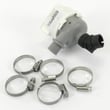
If you’ve cleared the drain path and it still won’t drain, the drain pump can be the next suspect for this model; see the dishwasher drain pump assembly WD26X25104.
Why it matters
FTD-style errors often show up when the dishwasher can’t reach the expected water level changes on time. A clogged drain leaves water in the tub, which can disrupt the next fill and wash sequence and lead to repeat errors.
Helpful related troubleshooting
Last updated: January 2026
Is the GE Portable dishwasher any good?
GE portable dishwashers are a strong choice when you need full-size cleaning without permanent installation; they clean well when loaded correctly, supplied with hot water, and used with rinse aid. If you are asking about GE model PDT845SFL3DS specifically, that model is a built-in dishwasher, not a portable unit; use the PDT845SFL3DS owner’s manual to confirm features and operating tips for this exact dishwasher.
How to judge whether a GE portable dishwasher is “good”
We look for day-to-day performance and convenience, not just capacity.
- Cleans baked-on soil on normal and heavy cycles
- Connects to the faucet securely and does not drip at the coupler
- Drains fast and consistently (no standing water)
- Racks hold plates and tall items without constant rearranging
- Drying improves with rinse aid and proper venting
Portable vs built-in: what changes in real use
| Category | Portable dishwasher | Built-in dishwasher (PDT845SFL3DS) |
|---|---|---|
| Hookup | Faucet connection each use | Permanent water and drain connection |
| Best fit | Renters, temporary kitchens | Everyday use in a fixed kitchen |
| Common pain point | Faucet adapter fit and hose storage | Door sealing and cabinet alignment |
If you meant “Is PDT845SFL3DS a good dishwasher?”
This GE built-in model is designed for strong cleaning when you follow the loading and detergent guidance and keep the interior maintained.
- Scrape off hard soils; skip routine pre-rinsing for normal loads
- Use automatic dishwasher detergent and rinse aid for better drying
- Clean and deodorize the tub periodically to reduce odor and film
- If it will not start, check the wall switch (some installations use one)
For installation requirements and cabinet hookup details, use the PDT845SFL3DS installation guide.
Why it matters
Portable and built-in dishwashers are reviewed and installed differently; matching the correct type prevents surprises with faucet hookups, capacity expectations, and daily convenience.
Last updated: January 2026





