Error Codes







How do I tell which Whirlpool I have?
To tell which Whirlpool you have, match the model number on your ID tag to the exact model you are shopping for. For this page, the model is Whirlpool XHPC155XG1 (a laundry pedestal), so you want your tag to show XHPC155XG1.
Where to find the model tag (common locations)
Because XHPC155XG1 is a laundry pedestal (not the washer or dryer itself), the ID label is usually on the pedestal cabinet or inside the drawer area.
- Inside the pedestal drawer opening (check the side walls and top lip)
- On the back panel of the pedestal
- Along the inside edge of the pedestal frame near the drawer rails
- On the underside or lower rear area near the leveling legs
- If you are checking the washer or dryer instead: inside the door opening (front-load) or under the lid (top-load)
What to look for on the tag
Use the model number to identify the correct parts list; use the serial number mainly for manufacturing details.
- Model number (example format: XHPC155XG1)
- Serial number (letters and numbers, often longer)
- Sometimes a color code or engineering revision
Quick match checklist (pedestal vs washer/dryer)
If you are unsure whether you are looking at the pedestal tag or the washer/dryer tag, use this quick comparison.
| Item you are identifying | What it is | What the label usually says |
|---|---|---|
| Laundry pedestal | Storage base under the washer/dryer | Model like XHPC155XG1 |
| Washer or dryer | The actual laundry machine | A different Whirlpool model number |
Why it matters
Parts are model-specific. Even small differences (drawer handle style, rail mounting, leg height) can change which replacement part fits your pedestal.
Parts you can match once you confirm XHPC155XG1
If your tag matches XHPC155XG1, these are common pedestal parts you can shop by name and ID:
- Laundry appliance pedestal drawer rail WP8578394
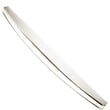
- Laundry appliance pedestal drawer handle WPW10243437
- Laundry appliance leveling leg WP8563585
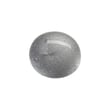
- Laundry appliance pedestal front drawer cover WPW10103454
Last updated: February 2026
How to determine the age of a whirlpool washer?
To determine the age of a Whirlpool washer, we use the washer’s serial number (not the pedestal model number XHPC155XG1). The serial number contains a date code that identifies the manufacturing week and year, which tells you the washer’s age.
Where to find the washer’s model and serial number
Look for a model/serial tag on the washer itself (not on the pedestal). Common locations include:
- Inside the door opening (front-load washers)
- Under the lid (top-load washers)
- On the back panel
- Along the cabinet frame near the opening
If the tag is hard to read, our guide on how to find your appliance model number (and what it means for parts) helps you locate and identify the correct label.
How the date code works (what to look for)
Whirlpool serial numbers typically include a date code that indicates year and week of manufacture. Once you have the serial number:
- Write it down exactly as shown (letters and numbers)
- Identify the characters that represent the year and week
- Convert that code to a calendar date range (manufacturing week)
Quick reference table (what you get from the serial number)
| What you read | What it tells you | Why it helps |
|---|---|---|
| Model number | Exact washer design family | Ensures correct parts match |
| Serial number | Manufacturing date code | Determines the washer’s age |
| “Engineering digit” in model | Revision/version of a model | Explains small design changes |
Why the “last digit of the model” is not the washer’s age
The last digit (or last characters) of a Whirlpool model number is commonly used to track engineering revisions. That helps identify design changes, but it does not reliably tell the manufacturing date. The serial number is the dependable way to date the washer.
Why it matters
Knowing the washer’s age helps us match the right replacement parts (like a lid lock, drain pump, or control board) and set expectations for wear items. If you are also using a pedestal, parts like the laundry appliance pedestal drawer rail WP8578394 are matched to the pedestal model, not the washer.
Last updated: February 2026
What is the life expectancy of a whirlpool washing machine?
Most Whirlpool washing machines last 10 to 14 years with normal household use and basic maintenance. Your Whirlpool XHPC155XG1 is a laundry pedestal (not a washer), but the same habits that protect a washer also reduce vibration and wear on pedestal hardware.
What affects washer lifespan the most
- Load size and balance: overloading and frequent off-balance loads shorten bearing, suspension, and motor life.
- Detergent use: using too much (especially non-HE in an HE washer) increases residue and strain.
- Moisture control: leaving the door/lid area damp encourages odors and corrosion.
- Hose condition: aging fill hoses are a common failure point; replace on schedule.
- Leveling and vibration: an unlevel washer walks, loosens fasteners, and stresses the cabinet.
Pedestal setup tips that help the washer last longer
A solid pedestal installation keeps the washer stable, which reduces vibration-related wear.
- Recheck that the pedestal sits flat on the floor.
- Adjust and lock the leveling legs so the washer does not rock.
- If the drawer binds or slams, inspect the rails and mounting screws.
Common pedestal parts involved in stability
| Symptom | Likely pedestal area | Example part on this model |
|---|---|---|
| Pedestal rocks or feels uneven | Leveling system | Laundry appliance leveling leg WP8563585 |
| Drawer sticks or won’t close smoothly | Drawer slide/rail | Laundry appliance pedestal drawer rail WP8578394 |
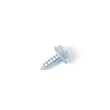
| Drawer front feels loose | Front cover/fasteners | Screw WP9740849 |
Why it matters
A washer that stays level and runs with minimal vibration typically has fewer breakdowns over time. A sturdy pedestal and smooth drawer operation also prevent stripped screws, bent rails, and rattles that can transfer noise into the washer.
Last updated: February 2026