Owner’s manual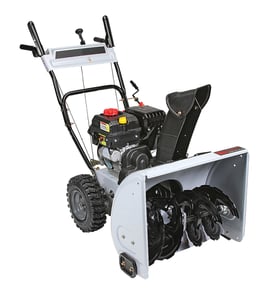


How many years should a snowblower last?
A Craftsman snow thrower like model 247889703 typically delivers about 7 years of average useful life (or roughly 60 hours of operation) when maintained and stored correctly. With consistent seasonal maintenance, many gas snowblowers can run longer before major repairs become more common.
Snowblower lifespan is usually limited by wear on the drive system, auger/impeller components, and fuel system issues from storage.
- Average useful life: about 7 years or 60 hours (a safety and wear benchmark)
- Practical ownership life: often longer with good maintenance
- Heavy-use conditions (wet snow, gravel drives, frequent storms) shorten life
- Poor storage (stale fuel, moisture) accelerates carburetor and fuel system problems
Use the maintenance intervals and specs in the 247889703 owner's manual. Focus on these high-impact items:
- Change engine oil on schedule (this model uses 5W-30, about 20 oz capacity)
- Use fresh fuel; plan to use gasoline within 30 days to reduce stale-fuel issues
- Check and service the spark plug (type F6RTC, gap 0.020 to 0.030 in.)
- Lubricate the drive hex shaft at least once per season or every 25 hours
- Clear snow from the machine before storage to help prevent freeze-up and corrosion
| Usage pattern | What to expect | Best focus |
|---|---|---|
| Light (few storms/season) | Often exceeds 7 years | Storage and fuel freshness |
| Moderate (regular winter use) | Around 7 to 12 years | Oil changes, lubrication |
| Heavy (long driveway, deep/wet snow) | 5 to 10 years | Wear parts, belts, friction drive |
Planning around the 7-year (60-hour) benchmark helps you decide when to do proactive maintenance, replace wear items, and schedule an annual inspection so the snowblower stays reliable and safe during peak winter storms.
Last updated: January 2026
How do I tell what year my snowblower is?
To tell what year your Craftsman snow thrower model 247889703 is, we match the identification numbers on the machine (and sometimes the engine) to a date code or serial-number range; the most reliable starting point is the ID label locations and diagrams in the 247889703 owner's manual.
Check these common spots first (wipe off snow, salt, and grime so the label is readable):
- The rear of the frame near the wheels or axle area
- The handle support or handle panel area
- The auger housing (side plate area)
- Near the engine mounting plate
- A sticker or metal tag with model and serial information
Most snowblowers use a combination of model number + serial number to identify the build period. For model 247889703, use this process:
- Confirm the model number on the tag matches 247889703
- Write down the full serial number exactly as shown
- Look in the manual for identification and parts breakdown pages to confirm you are reading the correct tag and format
- If the engine has its own ID tag, record the engine model/type/code as well (engine date codes often indicate the engine build date)
| What you find | What it tells you | What to do next |
|---|---|---|
| Snowblower serial number | Best clue to the snowblower build year | Use the serial to determine the production date range |
| Engine code/date | Engine manufacture date (not always the same as snowblower year) | Use it as a cross-check |
| Missing/illegible tag | Year cannot be read directly | Use parts diagrams and component versions to narrow it down |
Knowing the year helps us match the correct Craftsman parts and specifications (for example, cables, belts, and auger hardware) so you avoid ordering a similar-looking part that does not fit.
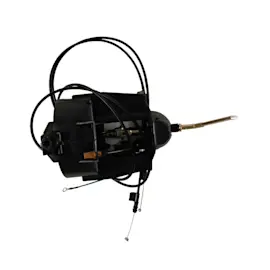
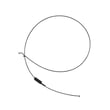
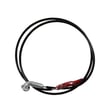
If you are troubleshooting drive or auger engagement while identifying the unit, the parts list in the manual also helps you confirm common wear items like the snowblower auger clutch cable 946-04230A.
Last updated: January 2026
Should I spray my snowblower with WD-40?
Yes, for a Craftsman snow thrower model 247889703, we recommend using a light oil or silicone spray on rust-prone exterior metal and on areas where snow tends to stick (like the chute and housing). Use it lightly and keep it off drive components that must stay dry for proper traction.
A light, water-shedding spray can reduce snow sticking and help prevent surface rust, but it is not a substitute for the correct grease or engine oil used in lubrication points.
- Good targets: chute interior, discharge housing, auger housing interior (light coat)
- Good for storage: exterior metal surfaces susceptible to rust (light film)
- Avoid spraying: belts, friction wheel area, rubber parts, and any braking or traction surfaces
- Avoid soaking: cables and springs (a light coat is fine; heavy spray attracts grit)
- Do not replace grease: wheel axles and other grease points still need proper grease
For off-season rust protection, the operator guidance for this Craftsman snowblower calls for coating the equipment with a light oil or silicone, especially on wear and moving items like chains, springs, bearings, and cables. For lubrication, it also calls out specific methods for the hex shaft, wheels, and auger shaft. See the 247889703 operator's manual.
| Product | Best use on a snowblower | Notes |
|---|---|---|
| WD-40 type water-displacing spray | Short-term moisture displacement, light corrosion protection | Can be messy; reapply more often in wet snow |
| Silicone spray | Reducing snow sticking in chute and housing | Typically stays slick longer; use a light coat |
| Multipurpose grease | Wheel axles and other grease points | Stays put; best for metal-to-metal sliding surfaces |
Also check for rough spots, dents, or packed ice, and confirm the skid shoes and shave plate are set correctly for your surface.
- Clear the chute only with the clean-out tool, never by hand
- Keep the chute interior clean and dry between uses
- Apply a light silicone coat before starting in wet, heavy snow
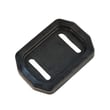
- Replace worn wear parts if scraping performance is poor (for example, shave plate 790-00121-0721)
Using the right spray in the right places helps snow discharge more consistently and reduces rust during storage, while keeping drive and traction components clean and dry helps prevent slipping and poor self-propel performance.
Last updated: January 2026
What is the most common problem with snow blowers?
The most common problem we see on the Craftsman snow thrower model 247889703 is a no-start or hard-start condition caused by fuel and ignition issues (especially old fuel and a dirty carburetor), followed closely by snow/ice jams that stop the auger. Regular seasonal maintenance prevents most of these failures; see the 247889703 owner's manual.
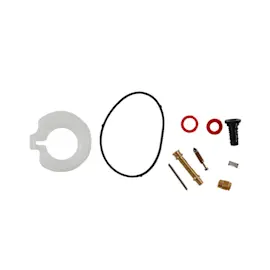
- Won’t start / hard to start: stale fuel, gummed carburetor, fouled spark plug, ignition key not fully seated.
- Auger won’t turn: sheared auger shear pin after hitting ice, gravel, or a hidden object.
- Clogged chute or housing: wet snow, ice buildup, or packed snow causing an impeller or chute jam.
- Poor drive or no forward motion: worn or slipping drive belt, friction wheel contamination, or linkage out of adjustment.
- Controls feel loose or don’t engage: cable slack or misadjustment (auger or drive control).
- Confirm safe start basics: ignition key installed, throttle set to FAST, fuel valve (if equipped) open.
- Fuel check: drain old fuel and refill with fresh gasoline; old fuel commonly causes carburetor varnish.
- Spark check: inspect/clean/replace the spark plug; do not crank the engine with the spark plug removed.
- Auger check: if the engine runs but augers do not, inspect shear pins and replace only with the correct type.
- Control engagement: verify levers engage and disengage properly; adjust cables if needed.
| Symptom | Most likely cause | Typical fix |
|---|---|---|
| Engine won’t start | Old fuel or dirty carburetor | Drain fuel, clean carburetor, refill fresh gas |
| Auger stopped suddenly | Shear pin sheared | Replace shear pin and cotter pin |
| Drive slips or won’t move | Belt wear or friction wheel issue | Inspect belt, clean drive surfaces, adjust linkage |
| Auger keeps turning after release | Auger cable too tight | Adjust auger control cable |
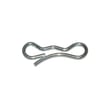
A snowblower is designed to protect expensive components by sacrificing small parts first. For example, the auger system uses shear pins so the gearbox is less likely to be damaged during an ice jam. Using the correct replacement shear pin helps keep the auger gearbox and drive system working properly.
- Craftsman snowblower shear pin 738-04124A (auger protection)
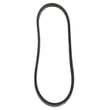
- Belts (drive/auger belt wear from normal use)
- Cables and linkages (stretching or misadjustment over time)
Last updated: January 2026