 Owner’s manual




What are the parts of a dishwasher called?
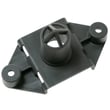
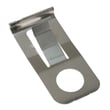
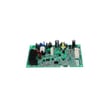
Dishwasher parts are typically named by what they do and where they sit in the machine. On the GE GDF510PSM5SS, you will commonly see names like spray arms, pumps, heating element, door latch, inlet valve, hoses, gaskets, and the electronic control board; the GDF510PSM5SS owner's manual helps match those names to locations and care steps.
Common dishwasher part names (and what they do)
- Spray arms: spin and spray water to clean dishes (lower and middle arms are common)
- Wash pump / main wash pump: circulates water through the spray arms
- Drain pump: pushes dirty water out to the drain
- Heating element: heats water and helps with drying (avoid touching it during or right after use)
- Water inlet valve: lets fresh water into the tub
- Door latch and strike: keeps the door closed so the dishwasher can run
- Gaskets and seals: prevent leaks around the tub and sump
Examples of real part names you may see for this model
Here are a few part names exactly as they appear for the GE GDF510PSM5SS:
| Part name (common term) | What it affects | Example part for this model |
|---|---|---|
| Lower spray arm | Cleaning performance, coverage | Dishwasher spray arm, lower WD22X33499 |
| Drain pump | Draining, standing water | Dishwasher drain pump WD19X25461 |
| Door latch lock | Starting, stopping mid-cycle | GE dishwasher door latch lock WD21X10490 |
| Heating element | Water heat, drying | Dishwasher heating element WD05X35098 |
| Water inlet valve | Filling, water level | Dishwasher water inlet valve WD15X26078 |
Why the names matter when troubleshooting
Using the correct part name helps you diagnose faster and order the right replacement. For example:
- Poor cleaning often points to a spray arm or wash pump issue.
- Water left in the tub often points to the drain pump or drain hose.
- A unit that will not start often points to the door latch/strike or control.
Quick tip: how to identify the right part on your dishwasher
- Check the model tag inside the door area (left-hand tub wall is common on GE units).
- Compare the symptom to the part function (fill, wash, heat, drain, latch).
- Use the diagrams and terminology in the GDF510PSM5SS owner's manual to confirm location and naming.
Last updated: February 2026
What is the average life expectancy of a GE dishwasher?
Most GE dishwashers have an average life expectancy of about 10 years with normal use and basic maintenance. For your GE GDF510PSM5SS, following the cleaning and operating guidance in the GDF510PSM5SS owner's manual helps you get the longest service life.
What affects dishwasher lifespan most
A dishwasher’s lifespan is usually determined by heat, water quality, and how hard the wash system has to work.
- Hard water and mineral buildup (scale) increase wear on the wash system
- Poor draining or standing water strains the drain pump
- Overloading blocks spray arms and reduces cleaning, leading to repeat cycles
- Skipping routine cleaning can cause odors, clogs, and poor performance
- Using the wrong detergent amount can leave residue or cause etching
Quick maintenance checklist (best return for the effort)
We recommend these habits to extend the life of a GE dishwasher like the GDF510PSM5SS:
- Clean the filter area and remove debris regularly
- Check spray arms for clogs and clear the holes as needed
- Run hot water at the sink before starting a cycle (helps wash performance)
- Use rinse aid if you see spotting or slow drying
- Periodically run a cleaning cycle (vinegar method is commonly used)
Typical lifespan: what to expect
These ranges are typical for modern residential dishwashers.
| Usage pattern | Typical life expectancy |
|---|---|
| Light (few loads/week) | 10 to 12 years |
| Average (1 load/day) | About 10 years |
| Heavy (2+ loads/day) | 7 to 9 years |
Why it matters
Knowing the expected lifespan helps you decide whether to maintain, repair, or replace. If your dishwasher is near the 10-year mark and you’re seeing symptoms like not draining, not drying, or poor cleaning, targeted repairs (pump, heater, spray arm) often restore performance and delay replacement.
If you’re troubleshooting a fault code or unusual behavior, use the GE electronic dishwasher error codes guide to narrow down the likely system involved.
Last updated: February 2026
Why is my GE dishwasher leaking from the bottom corner of the door?
A leak at the bottom corner of the door on your GE GDF510PSM5SS dishwasher is usually caused by a door sealing issue (gasket not sealing, door not closing squarely) or water being deflected toward the corner by loading or spray problems. We use the checks in the GDF510PSM5SS owner's manual to confirm the door is closing and the cycle is running normally.
Quick checks that fix most corner leaks
- Stop the cycle and wipe the door edge and tub lip clean; food soil and detergent residue can prevent a tight seal.
- Check the tub opening for obstructions; a utensil or rack corner can keep the door from closing evenly.
- Confirm the dishwasher is level and not leaning forward; a slight tilt can push water toward the door corners.
- Reduce suds; using the wrong detergent or spilled rinse aid can create foam that escapes at the door.
- Re-load tall items so they do not interfere with spray arm rotation (blocked spray can redirect water toward the door).
Parts that commonly cause a bottom-corner door leak
If cleaning and loading changes do not help, inspect these wear items:
| What to inspect | What you’ll notice | Related part for this model |
|---|---|---|
| Tub gasket (door opening seal) | Tears, flattening, gaps at corners | Dishwasher tub gasket WD08X23476 |
| Door closing/locking | Door feels loose, won’t pull in tight | GE dishwasher door latch lock WD21X10490 and dishwasher door latch strike WD13X10071 |
| Spray pattern (water deflection) | Water seems to “shoot” at the door area | Dishwasher spray arm, lower WD22X33499 |
Why it matters
A small corner leak can quickly damage flooring and cabinets, and it often gets worse as the tub gasket compresses or the latch stops pulling the door in tightly. Fixing the seal or door closure usually restores normal wash performance and prevents repeat leaks.
When to stop and service
- Water is pouring out (not just a few drops)
- You see cracks in the inner door or tub lip
- The door will not latch consistently
Last updated: February 2026





