 Installation guide
 Owner’s manual



Where is my GE dishwasher filter located?
On the GE GLDT690D00BB dishwasher, the filter is typically located inside the tub at the bottom, under the lower dishrack, around the sump area. You usually remove the lower rack, then twist the filter counterclockwise and lift it out for cleaning (confirm the exact style in the GLDT690D00BB owner's manual).
- Turn the dishwasher off; let the unit cool if it just ran.
- Pull out the lower dishrack to expose the bottom of the tub.
- Look for a round or cylindrical filter assembly near the center or rear of the tub floor.
- Twist the filter counterclockwise to unlock, then lift it straight up.
- Rinse the filter under warm water; use a soft brush to remove grease and debris.
- Reinstall by seating it fully and twisting clockwise until it locks.
| Filter type | What it looks like | Where it sits | Cleaning frequency |
|---|---|---|---|
| Twist-lock mesh filter | Round, removable screen and cup | Bottom of tub near sump | Every 1 to 4 weeks |
| Screen plus coarse grate | Flat screen with a cover/grate | Bottom of tub, under lower arm | Monthly, or when performance drops |
A clogged filter can reduce water flow and recirculation, but spray coverage also matters.
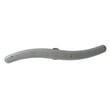
- Check the upper spray arm for clogs or cracks; replace if damaged (see dishwasher spray arm, upper WD22X10081).
- Make sure the spray arms spin freely and are not blocked by tall items.
- Use the correct detergent amount and run hot water at the sink before starting.
- Clean the tub and sump area; remove any labels, glass, or food pieces.
- If your model shows an error, look it up in GE electronic dishwasher error codes.
The filter protects the drain pump and wash system by trapping food particles. Keeping it clean helps prevent poor cleaning, odors, and drain problems.
Last updated: February 2026
Is it worth repairing a GE dishwasher?
Yes, repairing a GE dishwasher like model GLDT690D00BB is worth it when the fix is a common wear part (drain pump, inlet valve, door latch parts) and the total repair cost stays well below the cost of a comparable new dishwasher; frequent breakdowns or multiple major failures usually make replacement the better value.
- Repair if the dishwasher is cleaning well overall and you’re fixing one clear issue (won’t drain, won’t fill, won’t start).
- Replace if you’ve had repeated service calls, multiple symptoms at once, or the tub and door are in poor condition.
- Repair if the problem points to a single part such as a pump, valve, or latch.
- Replace if you’re facing major electrical/control problems plus other mechanical issues.
- Use the GLDT690D00BB installation guide to confirm the unit can be safely pulled for service and reinstalled correctly.
| What you’re facing | Typical outcome | Usually worth it? |
|---|---|---|
| One failed mechanical part (pump, valve, latch) | Targeted repair | Yes |
| Drain or fill issue caused by a single component | Targeted repair | Yes |
| Multiple failures or recurring leaks | Compounding repairs | No |
| Major electrical issues plus poor performance | High risk of repeat repairs | No |
If your symptoms match one of these, a repair is often straightforward and cost-effective:
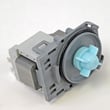
- Not draining: consider the dishwasher drain pump WD26X10049
- Not filling or filling slowly: the water inlet valve is a common suspect
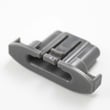
- Door won’t latch or unit won’t start: door latch components such as the dishwasher door lock hook WD01X10429
- Poor cleaning on the top rack: check the dishwasher spray arm, upper WD22X10081
A dishwasher that can be repaired with one correct part usually returns to reliable operation quickly. When problems stack up (for example, draining issues plus door leaks plus electrical symptoms), the total cost and downtime often exceed the value of keeping the unit.
Last updated: February 2026
What is the most common problem with a GE dishwasher?
The most common GE dishwasher problem we see is a drain issue: water stays in the bottom because the drain path is blocked or the drain setup is incorrect. On model GLDT690D00BB, also watch for door-latch and fill problems that prevent the cycle from starting or finishing (see the GLDT690D00BB installation guide for correct drain routing).
- Standing water after a cycle: clogged drain path, disposer plug left in, or drain hose routing too low
- Won’t start or stops mid-cycle: door not latching, control not sensing a closed door, or power issue
- Not cleaning well: spray arm holes clogged, low water fill, or loading blocking spray
- Leaks at the front: door not closing squarely, worn seal, or over-sudsing
- No heat or poor drying: heater circuit or temperature sensing issue
- Confirm the drain connection is correct: if the drain connects to a disposer, make sure the disposer drain plug was removed; leaving it in causes a no-drain condition.
- Verify drain hose height: use an air gap when required, or a high drain loop (commonly 32 inches minimum above the floor) to prevent siphoning and poor draining.
- Check for a simple clog: clear the sink/disposer inlet and inspect the dishwasher drain hose for kinks.
- Inspect wash performance parts: if dishes are dirty, check the dishwasher spray arm, upper WD22X10081 for cracks or clogged spray holes.
| Problem you notice | Most likely area | Example part for GLDT690D00BB |
|---|---|---|
| Won’t drain | Drain system | Dishwasher drain pump WD26X10049 |
| Poor cleaning | Spray system / fill | Dishwasher spray arm, upper WD22X10081 |
| Won’t start | Door latch / controls | Dishwasher door lock hook WD01X10429 |
Drain and installation issues can look like a failed pump or control, but correcting the drain loop or disposer connection often restores normal operation and prevents repeat clogs and odors.
For display beeps or flashing lights, we use the GE electronic dishwasher error codes guide to match the code to the most likely failure.
Last updated: February 2026
What are the commonly replaced parts in a dishwasher?
In a GE GLDT690D00BB dishwasher, the most commonly replaced parts are the ones that move water, seal the door, or handle filling and draining. When you see poor cleaning, leaks, or standing water, we typically focus on spray arms, pumps, inlet components, and door-latch hardware first; see the GLDT690D00BB installation guide for safety and access basics.
- Spray arms: poor cleaning, weak spray, clogged jets (example: dishwasher spray arm, upper WD22X10081)
- Drain components: won’t drain, water left in tub (example: dishwasher drain pump WD26X10049)
- Water fill components: not filling, slow fill, no wash action (water inlet valve is a common suspect)
- Door latch and door hardware: won’t start, stops mid-cycle, door won’t stay latched (example: dishwasher door lock hook WD01X10429)
- Racks and rollers: rack falls off track, won’t slide smoothly (example: dishwasher dishrack track roller assembly WD12X10231)
- Detergent and rinse-aid dispenser parts: detergent door won’t open, rinse-aid leaks or won’t dispense (examples: dishwasher detergent dispenser assembly WD12X23625, haier dishwasher rinse-aid dispenser cap WD12X10122)
| Symptom | Most common part areas | What we check first |
|---|---|---|
| Dishes not clean | Spray arms, wash system, loading | Clogged spray holes, blocked arm rotation |
| Standing water | Drain pump, drain path | Drain pump operation and clogs |
| Won’t start | Door latch, power/control | Door fully latching, latch hook wear |
| Detergent still in cup | Dispenser, spray pattern | Dispenser door movement, spray arm blockage |
Replacing the right part first saves time and prevents repeat failures. For example, a clogged upper spray arm can look like a pump problem, and a door that is not latching can mimic an electrical issue.
- Turn off power at the breaker before opening panels.
- Check for simple blockages (utensils, labels, food debris) around spray arms and the drain area.
- Confirm the dishwasher is installed level; leveling affects rack operation and wash performance.
- If you see an error code, use a GE-specific code list to narrow the failure.
Related help: GE electronic dishwasher error codes
Last updated: February 2026
What is the average lifespan of a GE dishwasher?
A GE dishwasher typically lasts 10 to 12 years. For your GE GLDT690D00BB, lifespan depends most on water quality, how often it runs, and basic upkeep like keeping spray arms clear and the unit level, as outlined in the GLDT690D00BB installation guide.
Most GE dishwashers fall into this range:
| Usage and care | Typical lifespan | What usually ends it first |
|---|---|---|
| Light use, good maintenance | 12 to 15 years | Door latch, racks, minor leaks |
| Average household use | 10 to 12 years | Drain issues, wash performance decline |
| Heavy use, hard water, limited maintenance | 8 to 10 years | Pump wear, valve issues, corrosion |
We see these habits make the biggest difference:
- Keep the dishwasher level so racks roll correctly and the door seals evenly.
- Clean food debris from the tub and spray paths; a clogged spray pattern reduces cleaning and strains the pump.
- Use the right detergent amount; too much can cause residue, too little can leave soil behind.
- Run hot water at the sink before starting a cycle to improve wash temperature early in the cycle.
- Fix small problems early (leaks, poor draining, weak spray) before they stress the motor and seals.
If your GLDT690D00BB is nearing the 10+ year mark, these are frequent wear items:
- Upper spray arm (reduced spray, poor cleaning): dishwasher spray arm, upper WD22X10081
- Drain pump (standing water, slow drain): dishwasher drain pump WD26X10049
- Water inlet valve (slow fill, no fill): dishwasher water inlet valve WD15X23665
- Door lock hook (won’t start, door won’t latch): dishwasher door lock hook WD01X10429
Knowing the average lifespan helps you decide whether to repair or replace. If your dishwasher is within the typical 10 to 12-year window, replacing a single part is often worthwhile; beyond that, multiple symptoms at once usually signal broader wear.
Last updated: February 2026
How to remove the filter and spinner on GE dishwasher?
On the GE GLDT690D00BB dishwasher, we remove the filter and “spinner” (spray arm) from inside the tub by taking out the lower rack, unlocking or lifting out the filter pieces, then releasing the spray arm so it lifts off. Use the steps in the GLDT690D00BB owner’s manual for the exact latch and twist directions.
- Turn the dishwasher off at the control panel; let the heater cool.
- Remove the lower rack for clear access to the sump area.
- Wear cut-resistant gloves; filter screens can have sharp edges.
- Keep a towel handy for trapped water and debris.
- If you need to pull the dishwasher out for access, follow the GLDT690D00BB installation guide for safe handling.
- Pull out the lower rack.
- Lift out the coarse screen or sump cover (some versions squeeze tabs and wiggle it free).
- Remove the fine filter screen underneath (usually lifts out after a short twist or release).
- Rinse filters under hot water; use a soft brush to clear grease and food.
- Reinstall in the same order; make sure the filter seats flat so the pump does not ingest debris.
If your “spinner” is the upper spray arm, it is commonly retained by a center nut, clip, or bayonet-style twist lock.
- Support the spray arm so it does not drop.
- Release the retainer (turn counterclockwise or unclip, depending on version).
- Lift the arm off and rinse the jets.
If the upper arm is damaged or won’t spin freely, replacing it is often the fastest fix; use the exact part for this model: dishwasher spray arm, upper WD22X10081.
| What to check | What “good” looks like |
|---|---|
| Filter seating | Flat, locked in place, no rocking |
| Spray arm movement | Spins freely by hand, no scraping |
| Jet holes | Clear, no mineral plugs |
| Wash performance | No gritty debris left in tub |
A clogged filter or a spray arm that cannot spin reduces water flow and pressure; that leads to poor cleaning, redepositing food, and can contribute to drain problems.
Last updated: February 2026





