Owner’s manual

Are Ingersoll Rand compressors any good?
Yes. Ingersoll Rand compressors like the TS4L5 are widely regarded as durable, industrial-leaning machines when they are installed correctly, lubricated properly, and maintained on schedule. Real-world satisfaction is highest when the compressor is matched to the shop’s air demand and electrical setup.
What “good” means for the TS4L5 in day-to-day use
A compressor’s reputation comes down to performance consistency and longevity. For the TS4L5, the biggest drivers are safe installation, correct discharge piping, and proper lubrication.
- Use the compressor for tools and equipment, not for breathing air applications.
- Keep guards in place; the unit can start automatically.
- Disconnect power and bleed tank pressure before service.
- Use approved discharge piping materials (avoid plastic pipe and rubber hose in the air system).
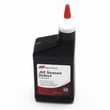
- Maintain oil level and use the right compressor lubricant for your temperature and duty cycle.
Maintenance items that most affect reliability
The manual calls out a few areas that directly impact service life and safety.
| Item | What to do | Why it matters |
|---|---|---|
| Lubrication | Run with adequate lubricant; use a quality synthetic or a premium non-detergent petroleum oil with proper viscosity | Prevents premature pump wear and overheating |
| Piping materials | Use metal piping and compatible components, especially if using synthetic lubricant | Reduces leak risk and material breakdown |
| Belt/pulley setup (belt-drive units) | Keep pulleys aligned and belt tension correct | Prevents motor overload, vibration, and early belt/bearing failure |
| Receiver tank inspection | Schedule a certified tank inspection within the first 5 years of service | Tank condition is a major long-term safety and reliability factor |
Why it matters
A “good” air compressor is one that delivers stable pressure and airflow without overheating, nuisance tripping, or excessive wear. With the TS4L5, correct lubrication and safe system materials are the difference between years of dependable service and repeated downtime.
For model-specific operating and maintenance details (including lubrication guidance and safety precautions), use the owner's manual.
Last updated: February 2026
What is the average lifespan of an air compressor?
Most air compressors last 10 to 15 years in typical home or light-shop use. For the Ingersoll TS4L5 air compressor, lifespan depends most on maintenance and operating conditions; the maintenance schedule and receiver tank inspection guidance in the owner's manual are the biggest factors in getting full service life.
Typical lifespan by compressor type
- DIY oil-free piston: 5 to 10 years
- Oil-lubricated piston (shop/light industrial): 10 to 20 years
- Rotary screw (industrial): 15 to 25 years
| Compressor type | Typical use | Typical lifespan |
|---|---|---|
| Oil-free piston | intermittent DIY | 5 to 10 years |
| Oil-lubricated piston | shop, light industrial | 10 to 20 years |
| Rotary screw | continuous duty | 15 to 25 years |
What extends the life of the Ingersoll TS4L5
The TS4L5 manual emphasizes routine checks and periodic service. These items have the biggest impact on longevity:
- Drain condensate from the tank regularly (manual drain if no automatic drain is installed)
- Inspect and clean the air filter element(s); replace when needed
- Check for air leaks using soapy water at fittings and joints
- Inspect drive belts; correct tension and pulley alignment to prevent overload and premature bearing or belt failure
- Change compressor oil on schedule (petroleum or synthetic lubricant intervals are listed in the manual)
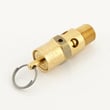
- Verify safety/relief valve operation and replace valves that do not operate correctly
Receiver tank life and inspection timing (critical)
The receiver tank is a major lifespan limiter on many compressors. For this model, the manual recommends:
- Scheduling a certified tank inspection within the first 5 years of service
- If the tank has not been inspected within the first 10 years, taking the receiver out of service until it passes inspection
Why it matters
A compressor can keep running with worn belts, dirty filters, or moisture in the tank, but those conditions accelerate wear, increase vibration, and raise the risk of major failures. Following the TS4L5 maintenance schedule helps protect the pump, motor, and receiver tank so the compressor reaches its normal service life.
Last updated: February 2026
How do I find the model number on my TS4L5?
The model number is typically on the air compressor’s data plate (ID tag) attached to the tank or the pump/motor frame. For your Ingersoll TS4L5, confirm the exact identification details and parts list using the [TS4L5 owner's manual].
Where to look on the compressor
Check these common locations first:
- On the receiver tank near the drain port or tank seam
- On the pump base or crankcase area
- On or near the motor mounting plate
- Near the pressure switch cover or control box
- On a decal or metal tag on the frame
What to write down (so parts match)
When you find the tag, record all identification fields you see. For parts lookup, the most important items are:
- Model number (TS4L5)
- Serial number
- Voltage and phase (single-phase or three-phase)
- Horsepower rating (often listed as 5 HP on TS4 series)
- Revision or build code (if shown)
Quick ID checklist
Use this table to capture the info cleanly:
| Item on tag | Example | Why it matters |
|---|---|---|
| Model | TS4L5 | Ensures diagrams and parts list match |
| Serial | (varies) | Helps identify production run |
| Electrical | 230V, 1PH or 3PH | Matches wiring and motor starter setup |
| Revision | REV. A (example) | Can affect part compatibility |
Why it matters
Air compressor parts and wiring can vary by electrical configuration and revision. Using the exact model and serial information helps us match the correct diagrams, wiring schematic, and replacement parts for your TS4L5.
Last updated: March 2026