Installation guide
 Owner’s manual
 Error Codes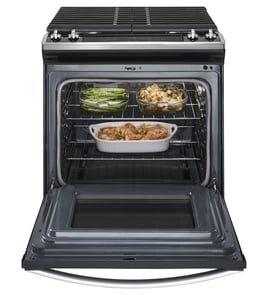
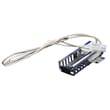



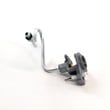
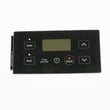
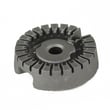
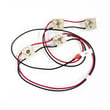
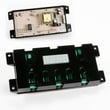
What are the parts on a gas stove called?
On a Kenmore 79073239313 gas range, the main parts are the surface burner system (burner heads, burner caps, grates, igniters, and knobs) plus the oven system (igniter, gas valve, temperature sensor, racks, light, and electronic controls). For diagrams and names, use the owner's manual.
Common gas range part names (cooktop vs. oven)
- Cooktop (surface) parts
- Burner head
- Burner cap
- Burner grate
- Surface burner igniter (spark electrode)
- Spark module (creates the clicking spark)
- Control knob and valve stem
- Oven parts
- Oven igniter
- Oven gas valve
- Oven temperature sensor
- Oven racks
- Oven light bulb and light socket
- Oven control board and control overlay
Parts you will see listed for model 79073239313
| Area | Example part name | What it does |
|---|---|---|
| Oven heat | Range oven igniter 5304509706 | Heats up to ignite gas for baking/broiling |
| Cooktop ignition | Range spark module 808608802 | Sends spark to light surface burners |
| Oven temperature | Range oven temperature sensor 316233903 | Helps the control maintain set temperature |
| Oven light | Appliance light bulb, 40-watt 316538904 | Lights the oven cavity |
Burner caps and grates: names that matter for safe operation
Burner parts are often confused because they stack together. On this model, correct burner cap placement is critical for proper ignition and correct flame size.
- Match each burner cap to the correct burner head size
- Make sure the cap sits level and fits snug in the center
- Keep caps and heads in place whenever a burner is on
- Do not let spills or cleaners enter the orifice holder openings
For placement details and safety notes, follow the installation guide.
Why it matters
Using the right part name helps you order the correct replacement and troubleshoot faster. For example, a burner that clicks but will not light often points to an igniter, spark module, or a dirty burner head and cap alignment issue.
Last updated: February 2026
How do I know if my igniter is bad on my gas stove?
On your Kenmore 79073239313 gas range, a failing oven igniter usually shows up as no heat, very slow preheat, or an igniter that glows but the burner never lights. In normal operation, the igniter should glow and the oven burner should ignite within about 60 seconds. See the installation guide for the model’s ignition check steps.
Quick signs the igniter is failing
- Oven takes much longer than normal to light or preheat
- Igniter glows, but the burner does not ignite within about 60 seconds
- Burner lights inconsistently (works sometimes, fails other times)
- You smell gas briefly with no ignition (turn the oven OFF immediately)
- Weak, delayed ignition that causes a “whoosh” when it finally lights
What “normal” looks like on this model
The installation instructions for this range describe a normal ignition sequence:
- Set the oven to Bake at 300°F
- The igniter should begin to glow like a light bulb
- The oven gas valve opens after the igniter heats up
- The burner should ignite within 60 seconds, then cycle as temperature is maintained
If the igniter glows but ignition is consistently delayed or never happens, the igniter is the first part we replace on most gas ranges.
Basic checks you can do safely
- Power reset: turn the breaker off for 1 minute, then back on
- Watch the igniter: does it glow at all when you call for Bake?
- Listen for ignition: surface burners spark; the oven igniter typically glows (not clicks)
- Check burner cap seating (cooktop): mis-seated caps can cause ignition issues on top burners
- Stop if you smell gas: turn controls OFF and ventilate the area
Common fix part for “no bake” or slow ignition
If your symptoms match slow or no oven ignition, the correct replacement is the range oven igniter 5304509706.
| Symptom | Most likely cause | Typical next step |
|---|---|---|
| Igniter does not glow | Igniter open, wiring issue, control issue | Inspect wiring; test igniter; replace if failed |
| Igniter glows, no flame | Weak igniter not opening valve | Replace igniter |
| Flame lights after long delay | Weak igniter | Replace igniter |
Why it matters
A weak igniter can prevent the gas valve from opening fully and can cause delayed ignition, which leads to poor baking performance and can create unsafe conditions if gas accumulates.
Last updated: February 2026
What model is my Kenmore gas range?
Your Kenmore gas range model number is printed on the identification plate on the oven front frame. On Kenmore model 79073239313, you access that plate by opening the storage drawer, warmer drawer, or broiler drawer and looking on the right-hand surface of the oven front frame (the model and serial tag area). See the installation guide for the exact location diagram.
Where to look on the range
Check these common spots first (in this order):
- Open the bottom drawer (storage, warmer, or broiler drawer) and look at the right-hand oven front frame
- Look for a metal or foil identification plate (not a sticker on the back panel)
- Write down the model number, serial number, and any lot number/letter shown
- If the drawer is hard to open, remove cookware and try again; the tag is easiest to see with the drawer fully open
What the identification plate tells you (and why it matters)
The identification plate is more than a model label; it also lists key specs used for safe service and correct parts matching.
- Burner ratings (BTU information)
- Fuel type (natural gas vs. LP)
- Gas pressure the range was adjusted for at the factory
Why it matters
Using the exact model number prevents ordering the wrong igniter, control board, or burner parts, and it helps ensure the range is set up for the correct fuel type.
Quick checklist: model number vs. serial number
| Item | What it’s used for | Example format |
|---|---|---|
| Model number | Matching parts and diagrams | 79073239313 |
| Serial number | Identifying the specific unit | Letters and numbers |
| Lot number/letter | Production tracking for parts inquiries | Single letter/number |
Last updated: February 2026
How long should a Kenmore gas stove last?
A Kenmore gas range like model 79073239313 typically lasts 15 years with normal household use and basic maintenance. Keeping burners clean, ensuring proper ignition, and addressing small issues early helps you get the full service life from the oven and cooktop.
Typical lifespan and what affects it
Most of the life of a gas stove comes down to heat exposure, cleaning habits, and how hard the ignition and control system has to work.
- Cooking frequency (daily cooking shortens life compared to occasional use)
- Cleaning routine (grease and spills accelerate wear)
- Ignition health (slow ignition strains components)
- Gas supply quality (pressure issues can cause poor combustion)
- Heat management (avoiding blocked vents and heavy grease buildup)
Maintenance that helps you reach 15 years
Use these habits to reduce wear on burners, igniters, and controls.
- Wipe up boilovers quickly, especially around burner heads and caps
- Clean burner grates and caps regularly so flames stay even
- Keep the control panel and knobs clean using non-abrasive methods
- If bake or broil ignition is slow, test ignition performance and correct it early
- Follow the cleaning methods and surfaces list in the owner's manual
Quick “repair vs. replace” guide
Use this as a practical way to decide when a repair makes sense.
| Situation | What it usually means | Typical next step |
|---|---|---|
| Range is under ~10 years old | Repair is usually cost-effective | Diagnose and replace the failed part |
| 10 to 15 years old | Depends on the part and condition | Repair if it is a common wear part |
| Over 15 years old | End-of-life is common | Repair only if cost is low and condition is good |
Why it matters
A gas range that is maintained tends to heat more evenly, ignite faster, and run with fewer nuisance problems. For this Kenmore model, the installation guidance notes that oven burner ignition normally happens within about 60 seconds; if it takes longer, addressing ignition issues early can prevent bigger failures.
Last updated: February 2026
Can I replace an ignitor myself?
Yes, on the Kenmore 79073239313 gas range, replacing an oven igniter is a common DIY repair if you’re comfortable working around gas and electricity. Shut off power before servicing, handle the igniter carefully, and follow the step-by-step procedure in the installation guide.
Safety first (gas range igniter work)
- Turn off power to the range at the breaker; electric ignition should not be operated during a power failure.
- Let the oven and surrounding metal cool completely.
- Shut off the gas supply valve if you’ll be working near the burner tube or gas valve.
- Avoid touching the igniter element with bare fingers; oils can shorten igniter life.
- Never force screws; stripped fasteners can turn a simple repair into a bigger one.
What the igniter should do (quick check)
When the oven is set to bake, the igniter should glow like a light bulb; once hot enough, the oven gas valve opens and the burner lights. A normal ignition delay is about 30 to 60 seconds.
Common “bad igniter” symptoms
- Igniter glows but the burner does not light (or takes much longer than a minute)
- Oven heats inconsistently or struggles to reach temperature
- No glow at all (could also be wiring, control, or gas valve)
Parts that typically apply to this repair
| What you’re replacing | What it affects | Example part for this model |
|---|---|---|
| Oven burner igniter | Bake burner ignition and heat | Range oven igniter 5304509706 |
| Mounting screw (if damaged) | Secures igniter/bracket | Range screw (match your original) |
Why it matters
A weak igniter can prevent the gas valve from opening reliably, which leads to long preheat times, temperature swings, and failed ignition. Replacing the igniter restores normal bake performance and helps the oven cycle correctly.
Last updated: February 2026