

What is the typical lifespan of a gas snowblower?
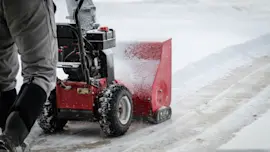
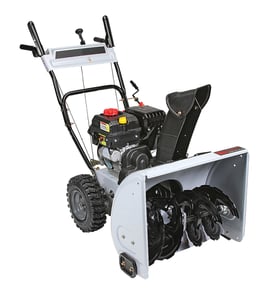
A gas snowblower like the MTD 317E-150-000 typically lasts 10 to 15 years with normal seasonal use and consistent maintenance. Lifespan is driven most by fuel care, belt and friction drive wear, and keeping the auger and chute moving freely.
Typical lifespan and what affects it
Most owners get the longest service life when they stay ahead of wear items and storage issues.
- Fuel system care: fresh fuel, clean carburetor, and proper off-season storage
- Oil changes: on schedule to protect the engine
- Drive system wear: belts, friction wheel, and cables wear faster with heavy use
- Auger and chute condition: packed snow and ice accelerate wear and rust
- Storage environment: dry storage reduces corrosion and seized fasteners
Quick maintenance schedule (practical guide)
| When | What to do | Why it matters |
|---|---|---|
| Every use | Clear packed snow, check for loose hardware | Prevents jams and vibration damage |
| Monthly in season | Inspect belts/cables, lubricate moving points | Reduces premature drive and control wear |
| Each season | Change oil, check spark plug, inspect skid shoes/shave plate | Protects engine and improves performance |
| End of season | Stabilize or drain fuel, clean and dry unit | Prevents carburetor clogging and corrosion |
Signs your snowblower is nearing end-of-life
These symptoms usually mean you are facing repeated repairs rather than a single tune-up.
- Hard starting even with fresh fuel and a good spark plug
- Drive slipping or inconsistent ground speed
- Excessive vibration or recurring shear/auger issues
- Rusted or seized controls (chute, auger engagement, drive)
- Frequent breakdowns in the same season
Why it matters
A snowblower that is maintained for longevity starts easier, throws snow farther, and avoids mid-storm failures. Simple steps like lubrication and correct adjustments often add years of reliable service.
For a maintenance walkthrough that supports longer life, follow how to make your snowblower last longer.
Last updated: February 2026
What's better, a 2 stage or 3 stage snow blower?
A 2-stage snowblower is usually the better choice for most homeowners because it handles typical driveway snow reliably with fewer moving parts. A 3-stage snowblower is better when you regularly face deep, heavy, or plowed snow and want faster intake and throwing performance.
Quick comparison (2-stage vs 3-stage)
| Feature | 2-stage snowblower | 3-stage snowblower |
|---|---|---|
| Best for | Most driveways and sidewalks | Deep, heavy, wet, or plow-packed snow |
| Snow intake | Auger feeds an impeller | Accelerator pulls snow in faster, then impeller throws |
| Speed in heavy snow | Good | Faster in tough conditions |
| Complexity | Lower | Higher |
| Maintenance | Typically simpler | Typically more wear points |
How we recommend choosing
- Choose 2-stage if you clear 6 to 12 inches most storms and want a proven, straightforward design.
- Choose 3-stage if you often clear 12+ inches, heavy wet snow, or end-of-driveway plow berms.
- If your driveway is gravel or uneven, prioritize skid shoe adjustment and scraper setup over stage count.
- If storage space matters, compare overall footprint and turning effort, not just clearing width.
- If you want fewer mid-season issues, pick the design you will actually maintain (oil changes, belts, lubrication).
Why it matters for your MTD 317E-150-000
Stage count affects how quickly the machine pulls snow in and how many components are involved in the drive and auger system. More stages can mean faster clearing in extreme conditions, but it also means more parts that can need adjustment or replacement over time.
Maintenance tip that improves performance either way
Keeping the drive system moving freely helps both 2-stage and 3-stage machines throw snow consistently.
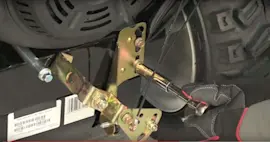
- Lubricate the drive hex shaft and wheel hubs on schedule
- Check belt condition and tension before peak season
- Inspect shear pins and auger movement for binding
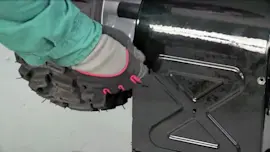
For a step-by-step walkthrough, use our how to lubricate a snowblower drive hex shaft video.
Last updated: February 2026
What is the meaning of 317E-150-000?
On your MTD snow thrower, 317E-150-000 is the model number. We use it to identify the exact version of your gas snowblower so you can match the correct parts (like bolts, belts, skid shoes, and auger components) and diagrams for repairs and maintenance.
What the model number tells us (and what it does not)
The model number is an equipment identifier, not a code with a universal “meaning” like an area code or numerology.
- It distinguishes your specific MTD snowblower from similar-looking models
- It helps match the correct parts list and exploded-view diagrams
- It reduces ordering mistakes when parts changed between production runs
- It is used when looking up maintenance procedures and adjustments
- It is different from a part number (the number printed on an individual component)
Where to find the model number on the machine
Most MTD snowblowers have the model and serial tag in one of these common spots:
- On the rear of the frame near the handles
- On the side of the auger housing
- Near the engine mounting area
- Under a service cover or near the chute base
Model number vs. part number (quick comparison)
| What you’re looking at | Example | What it’s used for |
|---|---|---|
| Model number | 317E-150-000 | Identifies the whole snowblower |
| Part number | 710-0276 | Identifies one specific replacement part |
Why it matters
Using the correct model number is the fastest way to get the right replacement parts the first time, especially for wear items and hardware where size, thread pitch, and length must match.
Example part on this model page
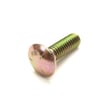
If you are replacing missing or damaged hardware, one listed item is the toro lawn & garden equipment carriage bolt 710-0276.
Last updated: February 2026
How do I tell how old my snowblower is?
You can tell the age of your MTD snow thrower model 317E-150-000 by finding the unit’s date code (usually on the ID tag near the engine or frame) and decoding it into product type, build month, build day, and build year.
Where to find the date code on an MTD snowblower
Check these common locations first:
- The model and serial tag on the rear of the frame (near the handles)
- The tag on the side of the auger housing
- Near the engine mounting area on the frame
- Under the belt cover area (if your tag is missing from the handle frame)
How to decode the date code
Many snowblowers use a short code where each character has a meaning:
- 1st character: product type
- 2nd character: month (letter)
- 3rd and 4th characters: day of the month
- 5th character: year
Quick example
If your code looks like X C 15 9 (spacing added for clarity):
| Position | Meaning | Example value |
|---|---|---|
| 1 | Product type | X |
| 2 | Month (letter) | C |
| 3 to 4 | Day of month | 15 |
| 5 | Year | 9 |
That tells you the unit was built on the 15th day of the month represented by C, in a year ending in 9.
Why it matters
Knowing the build date helps us match the right parts and revisions for your 317E-150-000, especially for wear items like belts, skid shoes, and fasteners.
Next step if you need parts after you identify the age
Once you have the model and date code, use the parts list for your model and match by description and diagram callout. A common hardware item shown for this model is the toro lawn & garden equipment carriage bolt 710-0276.
Last updated: February 2026
What are common gas snow blower problems?
Common problems on an MTD gas snow thrower like model 317E-150-000 include no-start conditions (often fuel or ignition related), poor throwing performance (clogs or worn drive/auger parts), and drive issues (belt or cable adjustment). Most problems are solved with fresh fuel, basic tune-up checks, and correct adjustments.
Most common symptoms and likely causes
- Engine will not start: old fuel, clogged carburetor, fouled spark plug, ignition switch off
- Starts then stalls/surges: partially clogged carburetor, water in fuel, restricted fuel cap vent
- Runs but won’t move: worn or loose drive belt, drive cable out of adjustment, traction issues
- Auger won’t spin or stops under load: belt slipping, shear pins broken, auger jammed with ice
- Poor snow discharge: chute/impeller packed with snow, wet snow buildup, worn shave plate or skid shoes set too low
- Excess vibration/noise: loose fasteners, damaged auger/impeller, missing hardware
Quick checks we recommend (in order)
- Fuel: drain old fuel; refill with fresh gasoline (use fuel stabilizer for storage).
- Spark: remove and inspect the spark plug; clean/replace if fouled.
- Choke/throttle: confirm choke is used for cold start, then opened after it fires.
- Clogs: shut off engine and clear chute and housing (use a clean-out tool, not hands).
- Belts/cables: check for slack, glazing, or slipping; adjust controls if engagement is weak.
Troubleshooting guide by symptom
| Symptom | What to check first | Typical fix |
|---|---|---|
| No start | Fuel condition | Replace old fuel; clean carburetor |
| Stalls/surges | Carburetor and fuel flow | Clean carburetor; check fuel cap vent |
| No drive | Drive belt/cable | Replace belt; adjust drive control |
| No auger | Shear pins/belt | Replace shear pins; correct belt tension |
Why it matters
Most gas snowblower failures come from fuel varnish, belt slip, or packed snow/ice. Catching these early prevents hard starting, broken shear pins, and premature wear on the auger and drive system.
Parts and how-to help
- If you find loose or missing hardware during inspection, replace it with the correct fastener; a common example is a carriage bolt such as toro lawn & garden equipment carriage bolt 710-0276.
- For step-by-step maintenance that prevents many of these issues, follow how to check a snowblower spark plug video and how to change snowblower oil video.
Last updated: February 2026