Installation guide
 Owner’s manual
 Error Codes


What dryer has the least problems?
If you want a dryer with the fewest problems, we recommend prioritizing simple, well-vented designs and proven reliability over extra features. For most households, a basic GE gas dryer like model GFD45GSPM0DG will stay dependable when it is installed correctly, vented properly, and maintained routinely (especially lint and duct care); see the GFD45GSPM0DG installation guide for venting and electrical requirements.
What to look for in a low-trouble dryer
Reliability is usually driven more by installation, airflow, and maintenance than by brand alone.
- Choose a straightforward control layout (fewer electronics to fail).
- Keep vent runs short and smooth; avoid crushed or kinked ducting.
- Clean the lint filter before every load.
- Do not overload; it increases wear and drying time.
- Level the dryer to reduce vibration and stress on moving parts.
- Use the correct heat setting for the load to prevent overheating.
Brand and design guidance (practical, not hype)
Across the industry, the lowest-problem dryers tend to be:
- Basic vented dryers (gas or electric) with fewer “smart” features.
- Models with strong airflow and easy-to-clean lint paths.
- Units installed to spec (power, grounding, and venting).
Quick comparison
| What you prioritize | What typically has fewer problems | What typically adds problems |
|---|---|---|
| Long-term dependability | Simple vented dryer, short rigid vent | Long vent runs, poor airflow |
| Fewer service calls | Routine lint and duct cleaning | Ignoring “takes too long to dry” symptoms |
| Stable performance | Correct leveling and load size | Overloading, mixed heavy and light items |
Why it matters
Most “dryer problems” start as airflow or installation issues. The GFD45GSPM0DG manual notes that long dry times often trace back to improper or obstructed ducting, and that some noise can be normal but uneven floors can increase shaking; using the GFD45GSPM0DG owner’s manual helps you match symptoms to the right fix before parts are replaced.
When a “problem” is really a part wearing out
Even reliable dryers eventually need wear items. If you hear squealing, scraping, or thumping, common wear points include drum support and belt-drive components.
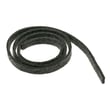
- Drum support wear: consider dryer drum glide bearing, upper WE03X37320 and dryer drum glide bearing WE03X37319
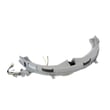
- Airflow issues: inspect lint path and ducting; a damaged internal duct can contribute (example: duct complete trap WE14M119)
- No heat on gas models: ignition and gas valve components can be involved (example: dryer burner igniter WE04X25996)
Last updated: February 2026
What is the average lifespan of a gas dryer?
A gas dryer typically lasts 10 to 13 years with normal household use. For your GE GFD45GSPM0DG dryer, consistent lint and vent maintenance, correct installation, and avoiding overheating are the biggest factors that help it reach the upper end of that range.
What affects gas dryer lifespan most
- Vent restriction (long runs, crushed duct, lint buildup) that makes the dryer run hotter and longer
- Lint buildup inside the cabinet or blower housing that strains airflow
- Wear parts such as drum glides, idler pulley, and rear bearing components
- Heat system cycling (thermistors, igniter, gas valve operation) under heavy use
- Installation conditions such as tight closet clearances or poor ventilation
Maintenance that adds years (and saves drying time)
We recommend these habits for the GFD45GSPM0DG:
- Clean the lint screen every load
- Inspect and clean the entire vent path regularly (dryer outlet to exterior hood)
- Replace any plastic or foil duct with rigid or UL-listed metal duct (per typical installation requirements)
- Keep the area around the dryer clear; avoid storing flammables nearby
- If drying times increase, address airflow first before replacing heat parts
Quick “repair vs replace” guide
| What you notice | Most likely category | Typical next step |
|---|---|---|
| Squealing, scraping, thumping | Drum support or belt path wear | Inspect drum supports; consider dryer drum glide bearing, upper WE03X37320 or dryer idler pulley WE03X31620 |
| Long dry times, hot cabinet | Airflow restriction | Clean venting and lint passages; verify proper ducting |
| No heat but tumbles | Gas supply or heat controls | Confirm gas shutoffs are open; then troubleshoot heat circuit |
Why it matters
A gas dryer that cannot vent properly runs longer and hotter, which accelerates wear on drum bearings, sensors, and the burner system. Good airflow is the simplest way to protect performance and extend service life.
For model-specific safety, venting, and clearance requirements, follow the installation guide.
Last updated: February 2026
Why is my dryer taking 2 hours to dry clothes?
If your GE GFD45GSPM0DG dryer is taking around 2 hours to dry, the most common cause is restricted airflow from improper or obstructed ducting; heavy, oversized, or poorly sorted loads can also extend dry time because they hold more moisture and dry unevenly. Check venting first, then load and cycle settings.
Fast checks that fix most long dry times
- Clean the lint screen before every load.
- Inspect the vent hose behind the dryer for kinks, crushing, or long runs.
- Confirm the outside wall damper opens easily and is not blocked.
- Run a timed cycle and verify you feel strong airflow at the exterior vent.
- Re-sort loads: dry heavy items (towels, jeans) separately from lightweight items.
Cycle and dryness settings that affect run time
Your dryer’s sensor cycles stop when the selected dryness level is reached. If loads keep running long, try these adjustments:
- Use Dry for most loads (preferred for energy saving).
- Use More Dry for heavy fabrics like towels.
- For 3 items or fewer, use Quick Dry or Time Dry.
- If collars and waistbands stay damp, use More Dry next time or finish with Time Dry.
| Situation | Best cycle/setting | Why it helps |
|---|---|---|
| Mixed heavy and light fabrics | Separate loads | Prevents heavy items from keeping the cycle running |
| Towels or sheets | Towels/Sheets (don’t mix) | Improves drying performance for bulky fabrics |
| Small load (3 items or less) | Quick Dry or Time Dry | Sensor cycles can end early or behave inconsistently on tiny loads |
When a part problem is more likely
If venting is clear and loads are sized correctly, long dry times can point to a heating or airflow component issue.
Common suspects on this model include:
- Dryer heating element control thermistor WE4M398 (temperature sensing)
- Dryer thermistor WE4M448 (temperature sensing)
- Laundry center dryer blower wheel WE16X20393 (moves air through the drum)
- Duct complete trap WE14M119 (lint and airflow path)
Why it matters
Long dry times usually mean the dryer cannot move enough air through the drum and exhaust. Fixing airflow improves drying performance, helps prevent overheating, and reduces wear on components like the drive motor and drum support parts.
For venting requirements and duct routing details, follow the installation guide.
Last updated: February 2026