



Is it worth it to fix a dryer?
Yes, it’s usually worth fixing a GE gas dryer like model DHDSR48GF1WW when the problem is a common wear item and the total repair cost stays well below the price of a comparable replacement dryer. It’s usually time to replace when the repair involves major assemblies or repeated breakdowns.
Use these quick checkpoints before you buy parts:
- Repair is the better choice when the issue is a wear part (belt, idler pulley, drum glides) and the dryer has been reliable overall.
- Replacement is the better choice when you’re facing a high-cost repair (motor, drum, cabinet damage) or multiple symptoms at once.
- Vent and airflow problems can mimic “bad dryer” symptoms; rule those out before replacing major parts.
These are typical, cost-effective fixes on many GE dryers:
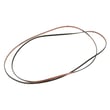
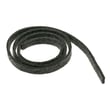
- Drum not turning: replace the drive belt WE03X29897 and inspect the idler pulley WE12X83
- Squealing or scraping: check drum support surfaces such as glides and felt seals
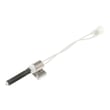
- No heat on a gas dryer: ignition system components (igniter, radiant sensor) are common suspects
| Situation | Typical scope | Usually worth it? |
|---|---|---|
| Drum won’t turn, otherwise normal | Belt and pulley inspection | Yes |
| Dryer runs but no heat (gas) | Ignition and flame sensing checks | Often |
| Loud grinding plus poor drying | Multiple drum support parts plus venting | Depends |
| Motor failure or drum assembly damage | Major component replacement | Often no |
A dryer that tumbles and heats correctly but dries slowly is often suffering from restricted airflow, which increases drying time, fuel use, and heat stress on parts like thermostats and the motor.
For maintenance that can prevent “replace vs repair” decisions, follow how to keep a dryer clean and economical.
Last updated: January 2026
What is the most common problem with the dryer?
For the GE DHDSR48GF1WW gas dryer, the most common “dryer problem” is poor airflow from lint buildup or a restricted vent, which leads to long dry times and overheating. After airflow, the next most common issues are no-start (door switch) and no-tumble (belt or idler pulley).
- Clean the lint screen completely (wash it with warm water if fabric softener residue is present).
- Inspect the vent hose for kinks, crushing, or heavy lint buildup.
- Confirm strong airflow at the outside vent hood while the dryer runs.
- Make sure the door closes firmly; a weak door switch can prevent starting.
- If the drum will not turn, check the belt and idler system.
| Symptom | Most common cause | Parts that often fix it |
|---|---|---|
| Takes too long to dry | Restricted venting or lint blockage | (Maintenance first; parts vary) |
| Runs but no heat | Ignition system or gas valve issue | Igniter WE04X25996, gas valve WE14X215 |
| Will not start | Door not sensed as closed | Door switch WE4M415 |
| Motor runs but drum will not tumble | Broken belt or failed idler | Drive belt WE03X29897, idler pulley WE12X83 |
A clogged vent makes a gas dryer run hotter and longer than normal. That increases wear on the drum support parts (glides, felt seals, belt) and can also cause heat-related shutdowns and inconsistent drying.
- Use our dryer takes a long time to dry steps to pinpoint venting restrictions versus internal airflow issues.
- If your dryer has a display or beeps error patterns, our GE cleanspeak dryer error codes guide helps translate common GE dryer fault codes into next checks.
Last updated: January 2026
What brand of dryer has the least problems?
If your goal is the fewest problems over time, we see the best results from simple, serviceable designs with strong parts support. Speed Queen is widely known for durability; among mainstream brands, Whirlpool, LG, and GE (like your GE DHDSR48GF1WW gas dryer) are typically solid choices when the venting and maintenance are kept up.
Most dryer issues come from airflow restrictions and normal wear parts, not the brand badge. A reliable brand is one that:
- Uses proven, straightforward controls (fewer electronics to fail)
- Has widely available replacement parts and diagrams
- Is easy to service (belt, glides, thermostat, igniter)
- Holds stable drying temperatures with good airflow
- Has a strong track record for motor and drum support components
| Brand | Typical strengths | Best fit if you want |
|---|---|---|
| Speed Queen | Heavy-duty build, simple designs | Maximum longevity, fewer features |
| Whirlpool | Easy service, broad parts availability | Reliable basics, lower repair friction |
| LG | Strong performance, efficient cycles | Modern features with good reliability |
| GE | Common parts, straightforward repairs | Solid mainstream choice, good serviceability |
These steps prevent the most common “dryer problems” like long dry times, overheating, and no-heat complaints:
- Clean the lint screen every load and wash it monthly to remove residue
- Keep the vent run short and clear; check the outside hood for strong airflow
- Avoid overloading; it strains the motor, belt, and drum supports
- If you hear squealing or thumping, inspect drum support wear items early
- If heat is inconsistent, troubleshoot the gas ignition system and thermostats
If you’re already maintaining airflow and the dryer still struggles, our dryer takes a long time to dry guide walks through the most common causes and checks.
On GE gas dryers, these wear items often drive service calls when they age:
- Drive belt WE03X29897 (drum won’t tumble or slips)
- Idler pulley WE12X83 (squeal, belt wear, tension issues)
- Igniter WE04X25996 (no heat even though the drum turns)
Choosing a dependable brand helps, but preventing airflow problems and replacing normal wear parts on time is what most consistently reduces breakdowns, improves drying speed, and extends dryer life.
Last updated: January 2026