 Owner’s manual
 Error Codes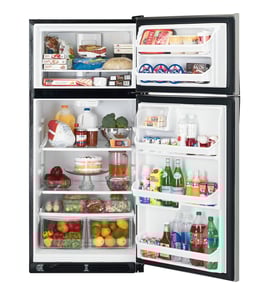
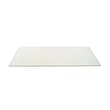


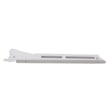

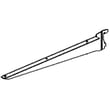
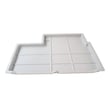
Can I buy extra fridge shelves?
Yes. For your Kenmore 11161212612 top-mount refrigerator, you can buy additional shelves or replace a damaged shelf as long as the replacement matches your exact shelf style and size for this model; the best match comes from the parts breakdown in the owner's manual.
How to make sure you get the right shelf
Use these checks before ordering so the shelf fits and locks in correctly:
- Confirm which compartment you need: fresh food section or freezer
- Identify the shelf type: full-width, half shelf, slide-out, or door bin (if applicable)
- Measure the original shelf (width and depth) and note any front trim or rear hooks
- Check for special features like spill-proof edges or a deli/snack frame
- Match the shelf mounting style (tabs, rails, or support posts)
What to do if you do not have the original shelf
If the shelf is missing, we recommend using the model-based diagrams and descriptions to select the correct replacement.
| What you have | What to use to match it | Why it helps |
|---|---|---|
| Shelf is cracked/chipped | Compare shape, trim, and mounting points | Prevents wobble and poor fit |
| Shelf is missing | Use model 11161212612 identification in the owner's manual | Ensures model-correct shelf style |
| Door will not close after adding shelf | Recheck shelf depth and placement | Avoids gasket leaks and warm spots |
Why it matters
A correctly fitting shelf helps keep airflow consistent, prevents items from blocking vents, and reduces the chance of door seal gaps that can cause temperature swings.
Related help
If you are troubleshooting display messages or cooling issues while reorganizing shelves, use Kenmore 111 model top freezer refrigerator error codes to interpret codes and next steps.
Last updated: February 2026
What is the top part of a fridge called?
On the Kenmore 11161212612 top-mount refrigerator, the top compartment is the freezer. It is the section designed to keep foods frozen, and it is also where an optional ice maker (if equipped) operates.
What the freezer section includes
In most top-mount refrigerators like model 11161212612, the freezer area typically contains:
- Freezer door and door gasket (seal)
- Shelves or a wire rack for frozen food storage
- An evaporator area behind an interior panel (where cooling happens)
- Air vents that send cold air down to the fresh food compartment
- Ice maker mounting area (on models equipped with an ice maker)
Freezer vs. refrigerator: quick comparison
| Compartment | Typical temperature | Main purpose |
|---|---|---|
| Freezer (top) | 0°F | Long-term frozen storage, ice production |
| Fresh food (bottom) | 37°F to 40°F | Everyday refrigerated foods |
Why it matters
Knowing the correct name helps when we are troubleshooting symptoms (like “freezer cold but fridge warm”) and when we are using the right section of the owner's manual for temperature settings, airflow guidance, and safe handling.
Safety note for this model
This refrigerator uses a flammable refrigerant (R600a). When dealing with frost buildup or cooling issues:
- Do not use sharp tools to chip ice
- Do not use mechanical devices to speed up defrosting
- Avoid puncturing any tubing behind panels
Last updated: February 2026
What is the life expectancy of a Kenmore refrigerator freezer?
Most Kenmore refrigerator-freezer units, including the Kenmore 11161212612 top-mount refrigerator, typically last 12 to 15 years with normal household use. Consistent cleaning, correct temperatures, and good airflow around the cabinet help you reach the full lifespan.
Typical lifespan and what affects it
A refrigerator’s life is mostly determined by compressor run time, heat removal (condenser performance), and how well the doors seal.
- Average lifespan: 12 to 15 years
- Heavy use factors: frequent door openings, warm kitchens, overpacked shelves
- Maintenance factors: dirty condenser area, blocked vents, worn door gaskets
- Power factors: repeated outages or surges can shorten control and compressor life
Maintenance checklist to help it last longer
Use these habits to reduce strain on the sealed system and keep temperatures stable.
- Keep the refrigerator at 37°F to 40°F and the freezer at 0°F
- Leave space for airflow; do not block interior air vents
- Clean spills promptly to prevent odors and corrosion
- Keep door gaskets clean and sealing flat against the cabinet
- Avoid overloading the freezer; airflow matters for even cooling
- If you have an ice maker, use a fresh water filter on schedule (if equipped)
Quick troubleshooting: when “aging” looks like a failure
Some symptoms are maintenance-related and do not mean the refrigerator is at end-of-life.
| Symptom | Common cause | Good first step |
|---|---|---|
| Warm fridge, freezer OK | Restricted airflow or evaporator fan issue | Check vents and listen for fan operation |
| Frost buildup in freezer | Door not sealing or frequent openings | Inspect gasket and door alignment |
| Water under fridge | Defrost drain issue | Clear drain path and check for ice |
| Loud buzzing/clicking | Fan hitting ice or condenser area debris | Inspect for ice buildup and clean debris |
Why it matters
A top-mount refrigerator that runs longer than necessary uses more energy and wears the compressor faster. Simple airflow and sealing checks often prevent temperature swings that shorten lifespan.
For model-specific care and safety guidance (including sealed-system cautions), follow the 11161212612 owner’s manual.
Last updated: February 2026
What model Kenmore fridge do I have?
If you’re using the parts information for Kenmore model 11161212612, your refrigerator model is 11161212612. To confirm on the appliance, match the model number printed on the rating label to the number shown in the 11161212612 owner's manual.
Where to find the model number label
On Kenmore top-mount refrigerators, the model and serial label is typically in one of these locations:
- Inside the fresh food compartment on a side wall
- On the ceiling inside the fresh food compartment
- Behind or beside a crisper drawer (remove the drawer to view the label)
- On the front frame area when the door is open
- Behind the lower kick plate or toe grille
What to write down (so parts match)
Copy the information exactly as printed, including every digit.
- Full model number (example: 11161212612)
- Serial number
- Any revision or suffix characters (if shown)
- Electrical rating information (helpful for service)
| Item to record | Example | Why it matters |
|---|---|---|
| Model number | 11161212612 | Ensures diagrams and replacement parts match |
| Serial number | Unique to your unit | Helps identify the production run |
| Product type | Top-mount refrigerator | Helps narrow troubleshooting steps |
Why it matters
Kenmore model numbers are the key to getting the right parts, correct wiring diagrams, and the right troubleshooting steps. Using the exact model number prevents ordering the wrong door bins, shelves, ice maker parts, or control components.
If you’re seeing an error code
For Kenmore model numbers that start with 111, use our model-family troubleshooting reference: Kenmore 111 model top freezer refrigerator error codes.
Last updated: February 2026
What are the common problems with Kenmore 11161212612 refrigerators?
The most common problems we see with the Kenmore 11161212612 top-mount refrigerator are warm temperatures from airflow restriction, frost buildup from a defrost issue, unusual fan or compressor noise, and water leaks from a clogged or frozen defrost drain. Use the 11161212612 owner's manual for model-specific safety and operating details.
Most common symptoms and what usually causes them
- Not cooling or weak cooling: dirty condenser coils, blocked air vents, evaporator fan not running, heavy frost on the evaporator
- Freezer frost buildup: door gasket not sealing, door left ajar, defrost heater/thermostat/control problem
- Loud humming, buzzing, or rattling: fan blade hitting ice, fan motor wear, cabinet vibration from leveling
- Water under the refrigerator or inside the fresh food section: clogged or frozen defrost drain, drain pan shifted
- Ice maker problems (if equipped): low water pressure, frozen fill tube, water inlet valve issue
Quick checks we recommend first
- Set temperatures to typical targets: 0°F freezer and 37°F fresh food
- Confirm packages are not blocking return vents and supply vents
- Check door gaskets with the paper test; the paper should resist pulling out
- Clean condenser coils; restore airflow around the cabinet
- If the back freezer panel is heavily frosted, troubleshoot the defrost system before replacing other parts
Model-specific notes from the manual (safe, verified items)
This model uses R600A refrigerant, which is flammable. Follow the safety warnings in the manual and leave sealed-system and refrigerant work to a trained service technician.
| Topic | What to know |
|---|---|
| Cooling complaints | Airflow and defrost issues are the first things to check |
| Leaks | A defrost drain restriction is a common cause of puddles |
| Noises | Fans and cabinet leveling are common sources |
| Refrigerant | R600A (flammable); service precautions apply |
Why it matters
Most “not cold enough,” frost, and leak complaints trace back to the same root issue: restricted airflow (ice buildup, blocked vents, or dirty coils). Fixing airflow early stabilizes food temperatures and reduces compressor run time.
Helpful troubleshooting resources
- If your refrigerator shows a code or diagnostic pattern, use our Kenmore 111 model top freezer refrigerator error codes guide to narrow the problem quickly.
Last updated: February 2026





