Installation guide
 Owner’s manual
 Error Codes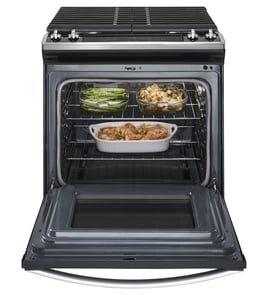









What is the life expectancy of a KitchenAid gas range?
A KitchenAid gas range typically lasts 15 years. For your KitchenAid KSGG700ESS2 slide-in gas range, regular cleaning, correct burner setup, and avoiding overheating the control area help you reach that full service life; the KSGG700ESS2 owner’s manual covers care and operating tips.
Typical life expectancy (what to plan for)
Most gas ranges land in a predictable window; the difference is usually maintenance and how hard the oven and burners are used.
| Appliance type | Typical life expectancy | What usually ends it first |
|---|---|---|
| Gas range (most brands) | 15 years | Ignition parts, gas valve issues, control failures |
| Slide-in gas range with electronic controls | 15 years | Display/control board, igniters, cooling airflow problems |
What helps a gas range reach 15 years
We see these habits make the biggest difference on KitchenAid slide-in ranges:
- Keep burner caps seated correctly so flames stay stable and heat stays where it belongs.
- Clean spills promptly to prevent clogged ports and sticky knobs.
- Use the self-clean feature exactly as directed; excessive high-heat cleaning can stress components.
- Maintain good airflow around the console area; heat buildup can shorten electronic part life.
- Fix weak ignition early (slow-to-light bake or broil) before it strains other components.
Parts that commonly affect “how long it lasts”
A range can feel “worn out” when a few key parts start failing, even though the cabinet and oven cavity are still fine.
- If the oven takes a long time to ignite or won’t heat, the range oven igniter WPW10324262 is a common wear item.
- If the oven burner ignition is inconsistent, the range oven burner igniter WPW10333842 is another frequent fix.
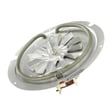
- If the control area runs unusually hot or you see cooling-related symptoms, the cooling fan assembly W11107275 can be involved.
Why it matters
Knowing the 15-year expectation helps you decide whether to repair or replace. If your KSGG700ESS2 is under about 10 years old, repairs like an igniter or cooling fan are often practical; closer to 15 years, you may weigh repair cost against overall condition.
Last updated: January 2026
Is it worth it to repair a gas oven?
For a KitchenAid slide-in gas range like model KSGG700ESS2, repairing the oven is worth it when the fix is a common wear part (igniter, control, wiring) and the total repair cost stays well below the price of a comparable replacement range.
A practical repair vs. replace rule
We use these quick guidelines to decide:
- Repair when the estimate is under 50% of replacement cost.
- Replace when the estimate is over 50% of replacement cost.
- Replace when multiple major systems are failing (oven heat plus cooktop ignition plus control issues).
- Repair when the problem is isolated and repeatable (for example, bake will not light but broil works).
- Repair when the range is in good physical shape (door seals well, no gas odor, no heavy corrosion).
Common “worth repairing” oven failures on KSGG700ESS2
Many no-heat or slow-heat complaints come down to ignition or control, not the whole range.
- Weak or failed bake ignition (oven takes too long to light)
- Intermittent burner lighting or delayed ignition
- Control or keypad input problems
- Loose or heat-damaged wiring at the igniter or burner
A key model-specific clue: the installation instructions note the bake burner should light within about 8 seconds, though in some conditions it can take 50 to 60 seconds. If it is consistently slow or fails to light, ignition troubleshooting is a strong first step. See the KSGG700ESS2 installation guide.
Parts that often make repair economical
| Symptom | Likely area | Example part for this model |
|---|---|---|
| Bake will not ignite or is very slow | Oven ignition | Range oven igniter WPW10324262 |
| Clicking or spark issues on top burners | Spark/ignition system | Spark module (red) WPW10475149 |
| Oven acts erratic or will not start | Electronic control | Control, mrc2 W11034208 |
Why it matters
A gas range that lights slowly can cause poor baking performance and can stress components over time. Fixing a single failed part usually restores normal preheat and temperature control without the cost of replacing the entire range.
Last updated: January 2026
Why is my oven giving off a gas smell?
A gas smell from your KitchenAid KSGG700ESS2 needs immediate attention. If you smell gas, follow the safety steps in the installation guide right away; gas leaks cannot always be detected by smell, and the safest next step is to contact your gas supplier.
What to do right now (safety first)
- Do not try to light any appliance.
- Do not touch any electrical switch.
- Do not use any phone in your building.
- Immediately call your gas supplier from a neighbor’s phone and follow their instructions.
- If you cannot reach your gas supplier, call the fire department.
Common causes of a gas odor (after the area is safe)
Some gas odors are related to normal operation or ignition, especially on electronic-ignition ranges like the KSGG700ESS2.
- A burner knob is slightly on (gas flowing without a steady flame)
- Air in the gas line (first-time use or after service can delay ignition)
- Burner not lighting within a few seconds (gas builds briefly before ignition)
- Weak or failing oven igniter (can cause delayed ignition)
- Gas valve or supply connection issue (requires professional service)
Quick checks you can do (only when there is no active gas smell)
- Confirm all cooktop knobs are fully in the OFF position.
- Try lighting a surface burner; it should light quickly (often within a few seconds).
- If the oven has delayed ignition or won’t heat, the range oven igniter WPW10324262 is a common part to inspect/replace.
Symptom guide
| What you notice | Most likely direction | What we recommend |
|---|---|---|
| Smell only during first few uses | Normal “new oven” odors | Run the oven and ventilate; see the KSGG700ESS2 owner’s manual |
| Smell when turning oven on, then it clears | Brief ignition delay | Check igniter performance; service if delay repeats |
| Smell when oven is off | Gas supply/valve/knob issue | Treat as urgent; follow safety steps |
Why it matters
Unburned gas can accumulate if ignition is delayed or if gas is leaking. Your installation and safety instructions emphasize that leaks are not always detectable by smell, so treating any persistent gas odor as urgent protects your home and appliance.
Last updated: January 2026