Error Codes



How to tell if a gas igniter is bad?
On the Jenn-Air JGS1450FS0 gas range, a bad oven igniter usually shows up as a bake or broil burner that will not light, lights slowly, or heats unevenly; the igniter may glow weakly or the oven may take several minutes to reach temperature.
- Oven takes much longer than normal to preheat
- Burner clicks or tries to light repeatedly but does not ignite
- Igniter glows dim orange instead of bright yellow-white
- Burner lights sometimes, then fails the next time
- You smell gas briefly because the burner is not lighting promptly
- Set the oven to Bake and watch through the openings: the igniter should begin glowing within about 30 to 60 seconds.
- If the igniter glows but the burner does not light within about 90 seconds, the igniter is typically too weak to open the gas valve reliably.
- If the igniter never glows, check for a tripped breaker, loose wiring, or a failed igniter.
A weak igniter can glow but still fail under load. Using a clamp meter on one igniter lead is the most reliable check.
| Igniter behavior | What it usually means | What we recommend |
|---|---|---|
| No glow at all | Open igniter, wiring issue, or control issue | Inspect wiring; consider replacing igniter |
| Glows, but burner will not light (or is very delayed) | Weak igniter (most common) | Replace igniter |
| Burner lights, but preheat is still slow | Igniter weakening or burner/airflow issue | Check burner ports; replace igniter if symptoms persist |
If your symptoms match, these are the most common replacements for this model family:
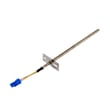
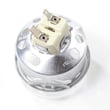
- Range oven igniter WPW10324262 (common bake ignition failure)
- Range oven burner igniter WPW10333842 (another igniter used on some configurations)
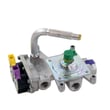
- Gas valve W11163975 (less common; usually replaced only after igniter tests good)
A weak igniter can cause delayed ignition, poor temperature control, and repeated failed lighting attempts. Replacing the igniter early often restores normal preheat time and steadier baking performance.
Last updated: January 2026
What gas is used in gas stoves?
Most gas stoves, including the Jenn-Air JGS1450FS0 gas range, are designed to run on natural gas (typical home gas line) or propane (LP) when the range is properly converted for LP use. The correct fuel depends on how your home is supplied.
- Natural gas (NG): Most common for homes with a utility gas line
- Propane (LP): Common for homes with a propane tank
- Butane: Used in some regions and portable appliances (not typical for U.S. full-size ranges)
- LPG (liquefied petroleum gas): A general term that often refers to propane or butane
Use these quick checks before you light burners or troubleshoot ignition:
- Look at your home supply: gas meter (usually NG) or propane tank (LP)
- Check the flame: steady blue flame is normal; large yellow flames often point to an air or fuel setup issue
- If you recently moved or changed fuel type, confirm the range was converted to match
- If burners click but do not light consistently, the issue is often ignition-related, not fuel type
Fuel type problems and ignition problems can feel similar. On the JGS1450FS0, these parts are commonly checked during diagnosis:
| Symptom | Common area to check | Example part for this model |
|---|---|---|
| Oven will not ignite or takes too long | Oven igniter circuit | Range oven igniter WPW10324262 |
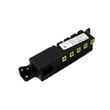
| Surface burners keep clicking or spark is weak | Spark ignition system | Spark module (red) WPW10475149 |
| Oven burner ignition is inconsistent | Burner igniter | Range oven burner igniter WPW10333842 |
Using the correct gas type and proper conversion protects cooking performance and helps prevent hard ignition, soot, and uneven flames. If your home is LP and the range is still set for NG (or vice versa), the burners and oven can behave unpredictably.
Last updated: January 2026
Why is my Jenn Air Gas Range oven not igniting?
If your Jenn-Air gas range model JGS1450FS0 oven is not igniting, the most common causes are a weak or failed bake igniter, a gas supply issue, or a control or wiring problem. Start by checking for igniter glow, gas odor, and error symptoms, then test the ignition components.
- Confirm the range is getting power (clock/display on); the igniter needs electricity to heat.
- Make sure the gas shutoff valve is fully open and other gas appliances work.
- Set BAKE and watch through the oven bottom vents: the igniter should glow within about 30 to 90 seconds.
- If you smell gas but no ignition happens, stop the cycle, ventilate the area, and do not keep retrying.
- If the igniter glows but the burner never lights, the igniter is typically too weak to open the gas valve.
| What you see | Most likely cause | What to check next |
|---|---|---|
| No glow from igniter | Failed igniter, wiring, control | Inspect connections; consider replacing igniter |
| Igniter glows, no flame | Weak igniter (common) | Replace igniter |
| Ignites sometimes | Weak igniter, loose connection | Check harness plugs; replace igniter if intermittent |
| Surface burners work, oven does not | Oven ignition circuit issue | Igniter, oven control, wiring |
- Range oven igniter WPW10324262: common fix when there is no ignition or the igniter is weak.
- Range oven burner igniter WPW10333842: another oven igniter used on this model; match by location and wiring style.
- Gas valve W11163975: less common; suspect if igniter is proven good but gas never flows to the bake burner.
- Oven control W11297271: suspect if the igniter never gets power and wiring checks good.
A gas oven that will not ignite can indicate a weak igniter that is allowing delayed ignition attempts, uneven heating, or no heat at all. Fixing the ignition system restores normal bake performance and helps prevent repeated gas buildup from failed starts.
Last updated: January 2026