




What is the average lifespan of a GE dishwasher?
A GE dishwasher typically lasts 10 to 12 years. For your GE GDF530PMM4ES, good cleaning habits and basic maintenance often push service life closer to the upper end, while heavy daily use and hard water can shorten it.
Typical lifespan range (what to expect)
Most GE dishwashers fall into these real-world ranges:
- 8 to 10 years: heavy use, hard water, skipped cleaning
- 10 to 12 years: average household use with routine care
- 12 to 15 years: lighter use, consistent maintenance, quick fixes when symptoms start
What affects lifespan the most
These are the biggest factors we see that change how long a dishwasher lasts:
- Hard water scale buildup on the heating system and internal passages
- Filter and sump debris that restricts wash and drain performance
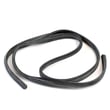
- Door seal wear that leads to leaks and corrosion risk
- Overloading that blocks spray arms and strains racks and rollers
- Ignoring early symptoms (poor cleaning, standing water, unusual noise)
Maintenance checklist that adds years
Use this simple routine to keep the GDF530PMM4ES running efficiently:
- Clean the filter area and remove debris from the sump regularly
- Run a dishwasher cleaner or descale cycle monthly if you have hard water
- Keep spray arm holes clear (food and mineral buildup reduce pressure)
- Check the door gasket for tears, flattening, or residue
- Use the right detergent amount; too much can cause residue and poor rinsing
Quick “repair vs. replace” guide
| Situation | Usually worth repairing? | Why |
|---|---|---|
| Minor leak, poor draining, not drying well | Yes | Often a single part or cleaning issue |
| Repeated control problems or multiple failures | Depends | Costs can add up quickly |
| Tub rust-through or major internal corrosion | No | Structural failure ends service life |
Why it matters
Knowing the average lifespan helps us plan maintenance and decide when a repair makes sense. If your dishwasher is near 10 to 12 years old, diagnosing issues early can prevent secondary damage and keep cycles efficient.
For troubleshooting by symptom, use GE dishwasher error codes.
Last updated: January 2026
What is the most common problem with GE dishwashers?
The most common problems we see on GE dishwashers like model GDF530PMM4ES are drainage issues (water left in the tub), won’t start complaints (door not latching or control not responding), and poor cleaning caused by clogged filters or spray arms. Use GE dishwasher error codes to narrow the failure fast.
Most common issues and what they usually point to
- Not draining: clogged filter area, blocked drain hose, air gap or disposal inlet plug, or a failing drain pump
- Won’t start: door latch not fully engaged, control lock or demo mode, or a control problem
- Not cleaning well: clogged spray arms, low water fill, overloaded racks, or heavy soil buildup
- Leaks: door gasket wear, loose hose connections, or over-sudsing from the wrong detergent
- Not drying: rinse aid empty, heater circuit issue, or plastic items holding water
Quick checks you can do first (no parts guessing)
- Cancel/Drain the cycle and listen for the drain pump; check the sink for normal draining.
- Clean the filter area in the bottom of the tub and remove any debris.
- Inspect the drain path: hose routing (no kinks), air gap (if used), and the garbage disposal connection.
- Confirm the door closes firmly; a weak latch can stop the cycle from starting.
- Run hot water at the sink before starting; many dishwashers clean better with hotter incoming water.
Symptom-to-cause cheat sheet
| Symptom | Most likely cause | Best next step |
|---|---|---|
| Water left in bottom | Clog or drain restriction | Follow dishwasher not draining video checks |
| Has power but won’t run | Door latch or mode setting | Use dishwasher wont start video steps |
| Dishes gritty or dirty | Filter or spray arm blockage | Clean and inspect spray arms and filter |
| Musty odor | Food debris buildup | Follow how to clean and maintain your dishwasher |
Why it matters
Drain and wash performance problems often start as simple restrictions (filters, hoses, spray arms). Catching them early helps prevent repeat clogs, poor cleaning, and unnecessary service calls.
Last updated: January 2026
Can a clogged drain cause an FTD error?
Yes. On the GE GDF530PMM4ES dishwasher, an FTD (fail to drain) error commonly happens when water cannot leave the tub due to a clog in the filter area, drain hose, air gap, or the sink disposal connection.
What to check first (fast, common fixes)
- Turn off power at the breaker before inspecting under the dishwasher.
- Remove standing water from the tub so you can see the sump and filter area.
- Clean the filter and sump area; food debris and labels are frequent blockers.
- Check the drain hose for kinks, pinches, or a low spot that traps water.
- If you have a garbage disposal, confirm the dishwasher inlet is clear (and the knockout plug was removed if the disposal is new).
Step-by-step drain path checklist
Work from the dishwasher outward; the first restriction you find is usually the cause.
- Filter and sump: Clear debris around the filter and pump inlet.
- Drain hose: Disconnect and flush it; look for grease plugs.
- Air gap (if installed): Remove the cap and clean out buildup.
- Disposal or sink tailpiece: Clear the dishwasher port and check for blockage.
Symptoms and likely causes
| What you notice | Most likely cause | What to do |
|---|---|---|
| Water remains in tub after cycle | Clogged filter/sump | Clean filter and sump area |
| Humming but no drain | Debris in drain pump/impeller area | Clear obstruction; inspect for damage |
| Drains sometimes, not always | Partial hose clog or kink | Re-route/flush hose |
| FTD after disposal install | Disposal knockout still in place | Clear the inlet/knockout |
Why it matters
When the dishwasher cannot drain, it can stop mid-cycle, leave dirty water behind, and trigger repeated FTD errors. Clearing the drain path restores normal wash and dry performance and helps prevent odors.
Helpful troubleshooting resources
- Use GE electronic dishwasher error codes to confirm what the display is reporting and what checks match that code.
- If the unit has power but will not run after an error, follow dishwasher has power but wont run could be demo mode to rule out control settings that mimic a failure.
Last updated: January 2026
Is it worth repairing a GE dishwasher?
Yes, it’s usually worth repairing a GE dishwasher like model GDF530PMM4ES when the unit is under about 10 years old and the repair is a single, straightforward fix (drain issue, leak, or a no-start problem). If you’re facing repeated breakdowns or a major electrical failure, replacement typically makes more sense.
Quick decision checklist
- Repair if the dishwasher is under 10 years old and has been reliable overall.
- Repair if the problem is one symptom (won’t drain, won’t start, not cleaning) and you haven’t replaced major parts recently.
- Repair if the estimate is less than about half the cost of a comparable new dishwasher.
- Replace if you’ve had multiple repairs in the last 12 to 24 months.
- Replace if there’s burning smell, visible wiring damage, or repeated tripping (stop using it until it’s checked).
Common “worth it” repairs vs “replace” repairs
| Situation | Usually worth repairing? | Why |
|---|---|---|
| Dishwasher won’t drain | Yes | Often a clog, drain hose issue, or drain pump problem |
| Dishwasher leaks | Yes | Frequently a door seal, hose, or clamp issue |
| Not cleaning well | Yes | Commonly spray arm, filter, or wash system maintenance |
| Dead/no power or control issues | Sometimes | Can be higher cost and less predictable |
What to check first (before paying for service)
- Reset power: flip the breaker off for 1 minute, then back on.
- Confirm the door is latching: a misaligned latch can prevent starting.
- Clean the filter area: debris can cause poor cleaning and draining.
- Run hot water at the sink before starting a cycle for better wash performance.
- Look for an error code on the control panel and match it to the guide.
For code-based troubleshooting on GE models, use our GE electronic dishwasher error codes.
Why it matters
A single targeted repair can extend the life of a dishwasher for years, but repeated failures often signal wear in multiple systems (wash, drain, and controls). Using the symptoms and cost threshold above helps you avoid sinking money into a unit that’s nearing end-of-life.
Last updated: January 2026





