 Installation guide
 Owner’s manual
 Error Codes


How do I tell which Kenmore dishwasher I have?
You can tell which Kenmore dishwasher you have by finding the rating label and reading the model number and serial number. On Kenmore model 58714019414B, the label is typically located on the inside edge of the door or the tub opening.
Where to find the model and serial label
Check these common spots first (in order):
- Inside the door along the left or right edge
- Around the tub opening (the frame you see when the door is open)
- On the side wall of the tub near the front
- Behind the toe-kick (kickplate) area at the bottom front
For the exact label location and how Kenmore formats the model number, use the 58714019414B owner's manual.
What to write down (and why)
Record both numbers exactly as shown; they are used to match the correct parts and instructions.
- Model number (example format: 587.1401*)
- Serial number (unique to your unit)
- Any color code or suffix letters (helps match door panels and racks)
Quick guide: model vs. serial
| Item | What it identifies | When you need it |
|---|---|---|
| Model number | The dishwasher design and parts fit | Ordering parts like a drain pump or heating element |
| Serial number | Your specific unit’s production run | Service bulletins, date-related revisions, warranty/service |
Why it matters
Kenmore dishwashers can look similar across series, but parts like a water inlet valve, drain hose, or control panel can vary by model. Using the exact model number (58714019414B) prevents ordering the wrong replacement.
Last updated: February 2026
Can you still get parts for a Kenmore dishwasher?
Yes. We still stock replacement parts for many Kenmore dishwashers, including model 58714019414B, as long as the part is still being manufactured and available through the supply chain. The key is matching the exact model number so you get the correct fit for items like the drain pump, water inlet valve, or heating element (see the 58714019414B owner's manual for model identification details).
How to make sure you order the right part
Use your full model number (including all digits and letters) and then confirm the part by name and function.
- Match the model number on the rating label to 58714019414B
- Compare the part name to the symptom (drain issue, no heat, leaking, not filling)
- Check whether the part is a common wear item (seals, hoses, rollers) or a control component
- Replace clamps, seals, or O-rings when you open a water path to prevent leaks
- Follow the safety and installation notes in the 58714019414B installation guide before servicing
Common Kenmore 58714019414B parts we see customers replace
These are examples of parts available for this model that cover frequent dishwasher problems:
| Symptom | Part to check | Example part for this model |
|---|---|---|
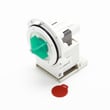
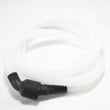
| Won’t drain / standing water | Drain pump, drain hose | Drain pump a A00126401, Dishwasher drain hose 807117001 |
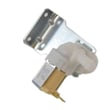
| Won’t fill / fills slowly | Water inlet valve, float switch | Dishwasher water inlet valve 807047901, Dishwasher float switch 154773201 |
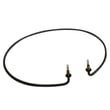
| Dishes not drying / water not heating | Heating element, mounting hardware | Dishwasher heating element 154825001, Dishwasher heating element nut 154106202 |
Why it matters
Kenmore dishwashers are built with model-specific components and revisions. Using the exact model number 58714019414B helps prevent ordering a look-alike part that mounts differently, uses a different connector, or changes water flow and wash performance.
Last updated: February 2026
How big is the Kenmore dishwasher model 58714019414B?
The Kenmore dishwasher model 58714019414B is a standard built-in size; most installations use a 24-inch-wide opening with an adjustable height to fit common countertop cutouts. For the exact cabinet opening and leveling range for your unit, use the 58714019414B installation guide.
Typical size and what to measure
For a built-in Kenmore dishwasher like 58714019414B, the key “how big” measurements are the cabinet opening (width, height, depth) and the dishwasher’s adjustable leg range.
Measure these before ordering parts or planning a replacement:
- Cabinet opening width: typically 24 inches for full-size built-ins
- Cabinet opening height: commonly around 34 to 35 inches; legs adjust to level the unit
- Depth: confirm you have room for the tub plus the door to open fully
- Toe-kick clearance: make sure the lower access area is not blocked
- Hose and cord routing space: allow room behind or beside the unit for drain and electrical routing
Height adjustment (leveling) guidance
Your installation instructions include a leg leveler adjustment chart that ties cabinet opening height to how much you turn the levelers. This matters because an unlevel dishwasher can affect draining, door sealing, and wash performance.
| What you’re checking | Where to check it | Why it matters |
|---|---|---|
| Opening height | Countertop to floor | Ensures the dishwasher fits under the counter |
| Level front-to-back | Level placed at bottom of tub | Helps proper draining and prevents leaks |
| Level side-to-side | Across the tub opening | Improves rack tracking and door alignment |
Why it matters
Correct sizing prevents installation problems like a door that rubs, a tub that sits too low to drain correctly, or a unit that cannot be leveled. It also helps you choose compatible parts (like racks and panels) that match the built-in configuration.
For operating and care details that can also affect fit and performance (loading, detergent use, and common issues), use the 58714019414B owner's manual.
Last updated: February 2026
What are common problems with Kenmore dishwashers?
Common problems on a Kenmore dishwasher like model 58714019414B include not filling, not draining, poor cleaning (food soils left on dishes), long cycle times from water-heating delays, and odors from standing soils. Many issues trace back to water supply, loading, or a few key parts.
Quick checks we recommend first
- Confirm the door closes fully and latches; the dishwasher will not run correctly if it is not latched.
- Verify the water supply valve is turned on and household water pressure is in a normal range.
- Check incoming hot water temperature; most dishwashers clean best with water around 120°F.
- Make sure spray arms can rotate freely and dishes are not blocking them.
- Inspect the drain hose for kinks and confirm the cycle is not paused.
- If connected to a disposer, make sure it is empty and the disposer inlet knockout plug was removed.
For model-specific operating and troubleshooting steps, use the 58714019414B owner's manual.
Common symptoms and the most likely causes
| Symptom | Most common causes | What to do next |
|---|---|---|
| Won’t fill | Water supply off, float/overfill protector stuck | Turn on supply; free the float; re-test |
| Doesn’t drain | Kinked hose, disposer plug, drain pump issue | Check hose/disposer; inspect pump area |
| Food left on dishes | Blocked spray arms, low water temp/pressure, poor loading | Re-load, clear arms, verify 120°F |
| Cycle takes too long | Water heating delay | Let it finish; verify hot water supply |
| Odor | Infrequent use, poor draining | Run regularly; confirm full drain |
Parts that commonly fix these problems
If your checks point to a failed component, these are frequent replacements for this model:
- Draining problems: drain pump a A00126401, dishwasher drain hose 807117001
- Not filling or overfilling behavior: dishwasher water inlet valve 807047901, dishwasher float switch 154773201
- Poor drying or heating-related issues: frigidaire dishwasher heating element 154825001
Why it matters
Dishwashers depend on correct fill level, strong spray action, proper water temperature, and unrestricted draining. When any one of those is off, you will see the same repeat complaints: dirty dishes, standing water, long cycles, or odors.
Last updated: February 2026
Is it worth repairing a Kenmore dishwasher?
Yes, it’s usually worth repairing a Kenmore dishwasher like model 58714019414B when the problem is a common wear item (leak, no-drain, no-heat, won’t fill) and the repair cost is reasonable; we use the 58714019414B owner’s manual to confirm symptoms, safe servicing steps, and basic checks before replacing parts.
Quick decision checklist
- Repair when the dishwasher is cleaning well overall and you’re fixing one clear failure (drain, fill, heat, latch).
- Repair when the issue is a seal, hose, or single component and the tub and racks are still solid.
- Repair when you can DIY safely (power off, water off) and access is straightforward.
- Replace when there are multiple major failures at once (leaks plus poor washing plus electrical issues).
- Replace when the tub is damaged or corrosion is widespread.
Typical repair cost vs. value (rule-of-thumb)
| Situation | What it usually means | Typical best choice |
|---|---|---|
| Won’t drain, otherwise runs | Drain path or drain pump issue | Repair |
| Not drying or water not heating | Heating circuit issue | Repair |
| Won’t fill or fills slowly | Water inlet issue | Repair |
| Multiple symptoms across cycles | Could be timer/control or wiring | Compare repair total to replacement |
Common repairs for this model that are often cost-effective
These are frequent “single-failure” fixes on dishwashers like the Kenmore 58714019414B:
- Drain problems: check the drain loop, disposer plug, clogs; consider the drain pump a A00126401 if the pump is seized or noisy.
- No heat or poor drying: heating element circuit checks; the frigidaire dishwasher heating element 154825001 is a common replacement when the element is open.
- Won’t fill: verify household water supply is on and pressure is adequate; the dishwasher water inlet valve 807047901 is a common fix when the valve won’t open.
- Door won’t latch or stops mid-cycle: inspect the strike and latch; a worn latch can prevent starting.
Why it matters
A targeted repair can restore normal washing performance and prevent secondary damage (for example, a no-drain condition can leave dirty water in the sump and cause odors). The manual also notes basic performance requirements like adequate water pressure (commonly 20 to 120 psi) and incoming water temperature around 120°F, which can mimic “dishwasher problems” even when parts are fine.
Safety and planning notes
- Disconnect electrical power before servicing.
- Turn off the water supply before removing hoses or the inlet valve.
- After any repair, run a normal cycle and check for leaks.
Last updated: February 2026
How to install lower spray arm Kenmore dishwasher?
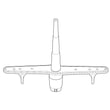
On the Kenmore 58714019414B dishwasher, installing the lower spray arm is a quick, tool-light job: remove the lower rack, lift off the old arm, then seat the new arm on the hub so it spins freely and does not hit the rack or dishes. Use the 58714019414B owner's manual for the exact rack and spray-arm clearance checks.
Steps to install the lower spray arm
- Turn off power at the breaker and open the door.
- Pull out and remove the lower rack.
- Remove the old lower spray arm (most styles lift off; some use a center retainer or nut).
- Set the new spray arm onto the center hub and reinstall any retainer exactly as removed.
- Spin the arm by hand; it must rotate smoothly without rubbing.
- Reinstall the lower rack and confirm nothing protrudes below the rack that could block rotation.
Quick checks after installation (prevents poor cleaning)
The manual guidance for loading is important because blocked spray arms cause weak wash performance.
- Make sure pan handles and utensils do not protrude through the bottom rack.
- Keep tall items from interfering with the detergent dispenser opening.
- Avoid dishes extending into the center area of the lower rack where the spray arm needs room.
- Run a short cycle and listen for a steady wash sound (no thumping from contact).
If the spray arm still will not spin
These are the most common causes on Kenmore dishwashers after a spray-arm swap.
| Symptom | Most likely cause | What to do next |
|---|---|---|
| Arm feels stuck by hand | Rack item or utensil hanging down | Reload so nothing protrudes below the rack |
| Arm spins by hand but cleaning is poor | Water flow issue or blockage | Clean filters/sump area per the manual; verify water supply |
| Unit not filling correctly | Inlet problem | Check the dishwasher water inlet valve 807047901 if fill is weak |
Why it matters
A freely rotating lower spray arm is the main driver of wash coverage in the bottom rack. If it is blocked, dishes stay dirty and the cycle can sound louder because the arm strikes cookware.
Last updated: February 2026





