Owner’s manual
 Error Codes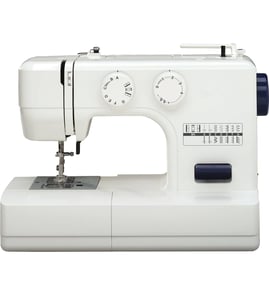

How do I know what model my sewing machine is?
Your sewing machine’s model number is typically printed on the machine’s identification plate or stamped into the body. For Kenmore machines, it’s often a number format like 158.XXXXX; for your parts lookup, use the exact model shown on the plate (for this page, 15817520). See the owner's manual for model-specific labeling and service references.
Where to look on the machine
Check these common locations first (with the machine unplugged and well-lit):
- Back of the machine near the power cord or handwheel
- Right side or left side of the arm (outer shell)
- Front base area near the needle plate or free-arm
- Underside of the base (tilt the machine carefully)
- Inside the accessory compartment or under a removable cover
What the model number looks like (Kenmore)
Kenmore sewing machines commonly use a numeric prefix that identifies the series.
| What you see | What it usually means | What to do |
|---|---|---|
| 158.17520 (or similar) | Kenmore 158-series mechanical machine | Use the full number for parts and manual matching |
| A long number labeled “Serial” | Production/serial identifier | Do not use this alone for parts lookup |
| Letters plus numbers | Often a serial number format | Keep it for records, but still find the model plate |
Tips to avoid mix-ups
Using the wrong model number is the fastest way to order the wrong part or follow the wrong adjustment procedure.
- Write the model number exactly as shown (include dots or dashes if present)
- Take a clear photo of the plate for reference
- If multiple numbers appear, choose the one labeled “Model”
- Match the model number to the manual before doing timing or needle-bar adjustments
- Keep the serial number noted separately for your records
Why it matters
On a mechanical Kenmore like 15817520, procedures such as needle position checks, stitch width control adjustments, and timing-related service steps are model-dependent. Using the correct model number ensures the instructions and specifications in the manual match your exact machine.
Last updated: February 2026
Is it worth repairing an old sewing machine?
Yes, repairing an older Kenmore sewing machine like model 15817520 is usually worth it when the machine is mechanically sound, stitches well after basic service, and the repair cost stays below the price of a comparable replacement. These mechanical machines are built to be serviced and adjusted rather than replaced.
Quick way to decide (cost vs. value)
Use this checklist before you approve a repair:
- The handwheel turns smoothly by hand (no binding or grinding)
- The needle bar moves freely and the machine is not seized
- Feed dogs move correctly at stitch length settings (they should not “creep” at 0) per the adjustment procedure in the 15817520 owner's manual
- You can still get routine consumables (needles, bobbins, belts, light bulbs) that fit your setup
- The machine has sentimental value or you prefer a heavier, all-metal feel
What repairs are “worth it” most often
These are common, high-value fixes on mechanical Kenmore machines:
- Cleaning lint and old oil from the hook area and feed dog area
- Correct threading and tension balancing (upper tension and bobbin tension)
- Replacing a worn drive belt or foot control (when speed is erratic)
- Correcting timing or needle bar height when stitches skip or the hook misses the loop
For symptom-based troubleshooting steps, we recommend starting with sewing machine locks up or sewing machine fabric not moving when those match what you are seeing.
When replacement makes more sense
A repair is usually not the best investment when one of these is true:
- The machine has cracked castings or a bent main shaft
- It needs multiple major assemblies plus labor (cost stacks quickly)
- It has chronic electrical issues (switch, wiring, motor) and you do not want electrical repair work
Typical decision guide
| Situation | Usually worth repairing? | Why |
|---|---|---|
| Needs cleaning, oiling, minor adjustment | Yes | Low cost, big improvement |
| Skips stitches due to timing/needle height | Often | Mechanical adjustment restores stitch formation |
| Motor will not run and needs replacement | Depends | Parts plus labor can approach replacement cost |
| Severe mechanical damage (bent/cracked) | No | Reliability stays poor even after repair |
Why it matters
A tuned mechanical machine feeds fabric consistently, forms a stable stitch, and avoids damage to the hook, needle plate, and feed dogs. The manual’s adjustment sections (feed dog movement at stitch length 0, needle timing, and needle bar height) show that this model is designed to be serviced, which is a major advantage over many newer disposable machines.
Last updated: February 2026
When was the Kenmore 15817520 sewing machine made?
The Kenmore 15817520 is part of Kenmore’s vintage 158-series mechanical sewing machines. These machines were produced in the mid-to-late 20th century, and the most reliable way to narrow your exact build timeframe is to match the machine’s identification markings and features to the specifications and diagrams in the owner's manual.
How to pinpoint the manufacturing timeframe
Use these checks on your Kenmore 15817520 sewing machine:
- Look for an ID plate on the back or underside of the machine bed; note the full model and any additional numbers.
- Check the motor and foot control labels for stamped codes (often include a series of numbers that can indicate production batches).
- Compare key mechanical features (shuttle type, needle plate style, presser foot bar type) to the manual’s adjustment sections.
- Confirm stitch control layout (stitch length control, stitch width control, special stitch dial) against the manual illustrations.
- Document accessories that came with the machine (feet, attachments, bobbin case style) because they often align with a specific era.
What the manual tells us about this model family
The documentation for this model focuses on mechanical setup and calibration details such as feed dog movement checks and needle timing to the shuttle. That strongly aligns with classic, serviceable 158-series designs.
Quick feature checklist (useful for dating and parts matching)
| Feature area | What to compare | Why it helps |
|---|---|---|
| Feed system | Feed dog movement at “0” setting | Confirms the stitch control design generation |
| Hook/shuttle | Front-facing vs side-facing shuttle references | Narrows the mechanical platform |
| Needle timing | Needle timing to shuttle procedures | Indicates the service standard used for the series |
| Presser bar | Low bar vs high bar notes | Helps match attachments and era |
Why it matters
Knowing the approximate production era helps us match the correct attachments, presser feet, bobbin case/shuttle style, and service procedures so your stitch quality and timing adjustments stay consistent with how the machine was built.
Last updated: February 2026
Who made Kenmore 15817520 sewing machines?
Kenmore model 15817520 sewing machines were built for Sears under the Kenmore name by a contract manufacturer; in the Kenmore 158 series, that manufacturer was typically a Japanese maker. For model-specific identification details, we recommend checking the ID markings and specifications in the 15817520 owner's manual.
How to identify the actual manufacturer on a Kenmore 158-series machine
Kenmore-branded sewing machines were commonly produced by outside factories, so the most reliable way to confirm who built yours is to match the machine’s identification marks.
- Check the model prefix: Kenmore sewing machines with a 158 prefix are commonly associated with Japanese production.
- Look for a data plate or stamped marking on the machine body (often on the back, underside, or near the power connection).
- Check inside the access covers (needle bar area or bottom cover) for stamped codes.
- Compare any stamped numbers to the parts diagrams and specs referenced in the manual.
- If your machine has been rebuilt or repainted, rely on the model and serial markings, not decals.
What “made by” means for Kenmore sewing machines
“Kenmore” is the retail brand; the machine itself was manufactured by a supplier that built to Sears specifications. That is why you may see different internal designs across Kenmore models even when they share similar features.
| What you see | What it tells you |
|---|---|
| Kenmore nameplate | Retail brand (Sears) |
| 15817520 model number | Product family and design lineage |
| Serial or factory code | Best clue to the contract manufacturer |
Why it matters
Knowing the underlying manufacturer helps when you are matching service procedures (timing, feed dog adjustment, needle bar height) and when you are selecting compatible items like needles, bobbins, belts, or motor components. The manual procedures for adjustments like feed dog movement and timing checks are especially important on mechanical machines.
Last updated: February 2026