



What is the typical lifespan of a gas snowblower?
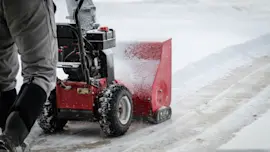
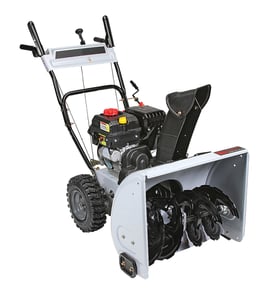
A typical gas snowblower, including the Murray 627104X8A, lasts 10 to 15 years with normal residential use. With consistent preseason maintenance, clean fuel practices, and prompt replacement of wear items, many units run 15 to 20 years.
Typical lifespan ranges (what to expect)
Lifespan depends most on hours of use, storage conditions, and how quickly you address belt and drive wear.
- 10 to 15 years: common for average use and basic upkeep
- 15 to 20 years: achievable with regular maintenance and proper storage
- Under 10 years: more likely with heavy use, poor storage, or neglected fuel system
| Usage pattern | Typical lifespan | What usually ends it first |
|---|---|---|
| Light (small driveway, occasional storms) | 15 to 20 years | Belts, friction drive wear, rust from storage |
| Moderate (regular storms, longer runs) | 10 to 15 years | Belts, pulleys, bearings |
| Heavy (frequent deep snow, long sessions) | 8 to 12 years | Drive system wear, auger/impeller strain |
Maintenance that adds years
These steps have the biggest payoff for any Murray gas snow blower.
- Change engine oil on schedule and check level before each season
- Use fresh gasoline; add fuel stabilizer for storage
- Keep the auger and chute clear of packed snow and ice buildup
- Inspect belts each season and replace when glazed, cracked, or slipping
- Store dry; touch up chipped paint and keep fasteners tight to prevent rust spread
Parts that commonly affect “end of life”
Most snowblowers get retired because drive or auger performance drops, not because the housing “wears out.” Replacing common wear parts often restores performance.
- Ground drive slipping or no forward motion: consider the snowblower drive belt 1733324SM
- Auger not pulling snow in or stopping under load: consider the snowblower gas belt 585416MA
- Chute rotation issues: inspect chute hardware and alignment
Why it matters
A gas snowblower that is still structurally solid usually stays cost-effective when you keep the drive and auger systems working correctly. Replacing a belt or idler pulley early prevents secondary wear on pulleys, bearings, and cables.
Last updated: January 2026
Should I spray my snowblower with WD-40?
Yes; for a Murray 627104X8A gas snow blower, we recommend using WD-40 sparingly as a short-term water-displacing spray on bare metal to reduce sticking and light rust, but a silicone spray works better for keeping snow from clinging inside the chute and housing. Keep any spray off belts, pulleys, and friction surfaces.
Where spraying helps (and where it does not)
Good places (light coat, wipe excess):
- Discharge chute interior and chute opening
- Auger housing interior (the “bucket”)
- Deflector area where snow tends to pack
- Exposed fasteners and linkages that show light surface rust
Avoid spraying:
- Drive and auger belts (slip risk), including the snowblower drive belt 1733324SM and snowblower gas belt 585416MA
- Pulleys, idlers, and friction drive components
- Any area you plan to paint or that needs grease (spray can wash grease away)
Best product choice for the job
| Goal | What to use | Why |
|---|---|---|
| Reduce snow sticking/clogging | Silicone spray | Leaves a slick, water-resistant film that sheds snow well |
| Displace water after use | WD-40 | Pushes moisture out of tight spots short-term |
| Off-season rust protection | Rust inhibitor or light oil film | Longer-lasting barrier during storage |
Quick routine we use for in-season performance
- With the engine off and cool, brush out packed snow and ice.
- Spray a light coat inside the chute and housing.
- Wait a few minutes, then wipe drips so it does not run onto belts.
- Reapply as needed (often every few uses, depending on snow type).
Why it matters
Keeping the chute and housing slick helps prevent clogging and reduces the temptation to clear jams by hand. Keeping sprays off belts and pulleys prevents slipping, poor throwing performance, and premature belt wear.
Last updated: January 2026
What's better, a 2 stage or 3 stage snow blower?
A 2-stage snow blower is the better choice for most homeowners because it clears typical snowfall efficiently and costs less. A 3-stage snow blower is better when you regularly face deep, heavy, wet, or plowed snow because it feeds snow faster and reduces clogging.
Quick comparison (2-stage vs 3-stage)
| Feature | 2-stage snow blower | 3-stage snow blower |
|---|---|---|
| Best for | Most driveways and sidewalks | Heavy, wet, deep, or end-of-driveway plow piles |
| Snow intake | Strong, but can bog down in slush | Faster intake with an accelerator/impeller system |
| Typical cost | Lower | Higher |
| Maintenance | Fewer moving parts | More moving parts to inspect and adjust |
How we recommend choosing
- Choose 2-stage if you want a solid all-around machine for normal storms and easier maneuvering.
- Choose 3-stage if you often clear dense, icy, or plow-packed snow and want faster feeding.
- Match the machine to your surface: gravel drives usually need careful skid shoe setup to avoid picking up stones.
- Consider storage and handling: larger units can be harder to store and turn in tight areas.
- Plan for upkeep: belts, pulleys, and chute components wear faster when you push the machine hard.
Why it matters
Picking the right stage design affects how quickly you clear snow, how often the machine clogs, and how much strain you put on wear items like the auger/drive belts and idler pulley. On a Murray gas snow blower like model 627104X8A, keeping the drive system in good shape helps you get consistent traction and throwing performance.
Parts that commonly support performance
If your snow blower struggles to move or throw snow, these wear parts are often involved:
- Snowblower drive belt 1733324SM (ground drive, traction)
- Snowblower gas belt 585416MA (auger drive, snow throwing)
- Idler pulley 1502120MA (belt tension and engagement)
Last updated: January 2026
What is the best month to buy a snowblower?
For a Murray gas snow blower like model 627104X8A, the best months to buy are September and October for strong selection and frequent pre-season pricing, or March and April for clearance pricing (with fewer models left). Mid-winter usually has the highest demand and the fewest deals.
Best time windows (and what to expect)
- September to October (pre-season): best balance of price and selection; retailers are fully stocked.
- November (Black Friday/Cyber Week): can be a good deal window, but popular sizes can sell out fast.
- March to April (post-season): lowest prices are common, but selection and parts bundles are limited.
- December to February: typically the worst time for bargains because storms drive demand.
Quick comparison by season
| Time of year | Deal potential | Selection | Best for |
|---|---|---|---|
| Sep to Oct | High | High | Most buyers who want choice and value |
| Nov | Medium to high | Medium | Shoppers watching holiday promos |
| Dec to Feb | Low | Low to medium | Urgent replacement after a breakdown |
| Mar to Apr | High | Low | Bargain hunters who can accept limited options |
Buying tips that save money later
- Match the machine to your snowfall and driveway size (overbuying costs more up front and to maintain).
- Plan for wear items; belts and friction-drive components are common maintenance points.
- If your unit slips or will not self-propel, check the ground drive belt condition and tension; the snowblower drive belt 1733324SM is a common replacement part for this model.
- If the auger stops under load, inspect the auger belt and idler system; the snowblower gas belt 585416MA is a common auger-drive belt option for this model.
- Buy early if you need specific features (electric start, larger intake width, drift cutters) because those sell out first.
Why it matters
Buying in the right month is not just about price; it also affects availability of the exact configuration you want and how quickly you can get back running if you need parts during peak snow season.
Last updated: January 2026