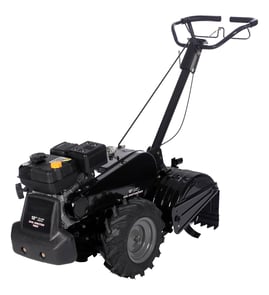



How often should I change the oil in my tiller?
For the MTD 21D-65M8793 rear tine gas tiller, we recommend changing the engine oil after the first few hours of break-in, then about every 25 to 50 hours of use or at least once per season. Change it sooner if the oil looks dark, smells burnt, or the engine runs hotter than normal.
Use this simple schedule to stay ahead of wear on the engine.
- New or rebuilt engine: change oil after 5 hours (break-in)
- Normal garden use: change oil every 50 hours
- Dusty, hot, or heavy tilling: change oil every 25 hours
- Low annual use: change oil once per season (at minimum)
If any of these are true, change the oil now (even if you are not at the hour mark).
- Oil on the dipstick is black or gritty
- Oil level is low (topping off repeatedly usually means it is time to change)
- Engine has been run hard in heat or in very dusty soil
- You see metallic shimmer in the oil (early warning of wear)
- The tiller has been stored since last season with old oil
We focus on the basics that prevent most engine problems.
| Step | What we do | Why it matters |
|---|---|---|
| Warm up | Run 2 to 3 minutes | Warm oil drains more completely |
| Drain | Drain into a pan, then reinstall plug | Removes contaminants that accelerate wear |
| Refill | Add the correct amount and recheck dipstick | Prevents low-oil damage and foaming |
| Run and recheck | Run briefly, then recheck level | Confirms proper fill after circulation |
Clean oil protects internal engine parts from heat and friction. On a rear-tine tiller like the MTD 21D-65M8793, dirty oil can shorten engine life and make starting harder, especially after storage.
If you are doing seasonal maintenance, these are commonly replaced at the same time as an oil change.
- Kmart lawn & garden equipment engine air filter 951-10794
- Lawn & garden equipment engine spark plug 951-10292
Last updated: January 2026
What is the bar on the back of a tiller for?
On the MTD 21D-65M8793 rear-tine tiller, the bar at the back is the drag bar (also called a depth stake). We use it to control how deep the tines dig and to help stabilize the tiller so it does not surge forward or “run away” in hard soil.
The drag bar acts like a brake and a depth limiter. Setting it correctly helps the tiller dig consistently, reduces bouncing, and makes the machine easier to control.
Why it matters: a deeper setting increases bite and load on the drive system; a shallower setting improves control and is better for first passes.
Most rear-tine tillers adjust the drag bar by moving it up or down in a bracket and securing it with a pin.
- Shut the engine off and let moving parts stop completely
- Disconnect the spark plug wire before putting hands near the tines
- Pull the locking pin and remove the clevis pin (if equipped)
- Move the drag bar to the desired hole/position
- Reinstall the clevis pin and locking pin fully
- Test in a short 5 to 10 foot pass and readjust as needed
| Soil and task | Drag bar position | What you will notice |
|---|---|---|
| First pass, hard or packed soil | Higher (shallower bite) | Better control, less hopping |
| General tilling, average soil | Middle | Balanced depth and control |
| Deep tilling, already loosened soil | Lower (deeper bite) | More digging, more pull on drive |
If the tiller will not dig even with the drag bar set for deeper tilling, we check common wear and power items:
- Dull or bent tines (reduced bite)
- Slipping drive belt (loss of tine or wheel drive)
- Throttle not reaching full speed
- Soil too wet (tines smear instead of cutting)
If you suspect belt slip, the tiller drive belt 954-04091 is a common wear item to inspect and replace.
Last updated: January 2026
What are the common problems with lawn tillers?
Common problems on the MTD 21D-65M8793 rear tine gas tiller include hard starting (fuel or ignition issues), weak or no tine drive (belt or cable problems), and poor tilling performance (worn tines). Most fixes start with fresh fuel, a quick spark check, and inspecting the drive system.
- Engine will not start or starts then dies: stale fuel, clogged air filter, fouled spark plug, restricted fuel cap vent
- Tines will not turn or slip under load: worn or stretched drive belt, misadjusted or damaged drive control cable
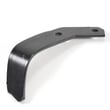
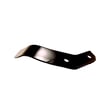
- Poor tilling or bouncing: worn or bent tines, incorrect tine orientation (left vs right), loose hardware
- No forward drive or inconsistent movement: drive belt/cable issues, linkage out of adjustment
- Runs rough or lacks power: dirty air filter, old fuel, spark plug wear
- Fuel: Drain old gas and refill with fresh fuel; if it sat more than 30 days, treat it as stale.
- Air intake: Inspect and replace a dirty filter such as the kmart lawn & garden equipment engine air filter 951-10794.
- Ignition: Remove and inspect the plug; replace if fouled or worn (a common match is the lawn & garden equipment engine spark plug 951-10292).
- Drive system: Check belt condition and tension; a common replacement is the tiller drive belt 954-04091.
- Controls: Verify the forward drive lever fully engages; a stretched cable such as the tiller forward drive control cable 946-04413A can prevent full engagement.
| Symptom | Most likely area | Typical fix |
|---|---|---|
| Won’t start | Fuel/air/spark | Fresh fuel, replace air filter, replace spark plug |
| Tines don’t turn | Belt/cable | Replace belt, adjust or replace cable |
| Weak tilling | Tines | Replace left/right tines as needed |
| Dies after a few minutes | Fuel cap vent/fuel delivery | Check cap venting, refresh fuel |
A rear-tine tiller depends on clean airflow, strong spark, and correct belt and cable engagement. Fixing small issues early prevents belt glazing, cable stretch, and excessive tine wear that can make the tiller feel underpowered.
Last updated: January 2026