

Where to find part number on GE dryer?
On a GE gas dryer like model DSXR453GV0WW, we typically find the model and serial tag (where you can confirm the exact model and look up the correct parts) on the door opening area, most often on the inside of the door or on the door frame.
Where to look first (fastest checks)
- Open the dryer door and check the door frame on the cabinet opening.
- Check the inside face of the door itself.
- Look along the front panel opening near the latch area.
- If the label is worn, use a flashlight and look for faint stamped or printed characters.
What you will see on the label (and what it means)
The tag usually includes several identifiers. Here is how we use them when selecting parts.
| Label item | What it’s used for | Example for your dryer |
|---|---|---|
| Model number | Matches parts to the exact design | DSXR453GV0WW |
| Serial number | Helps confirm production run details | Varies |
| Rating info | Gas/electrical specs for service reference | Varies |
Finding the “part number” you actually need
Dryers do not usually list every replaceable part number on the machine label. Instead, we use the model number to look up the correct replacement part.
Common examples for this GE dryer include:
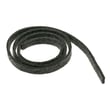
- If the drum will not tumble or you hear squealing, we often check the belt and drum support parts such as the drive belt WE03X29897.
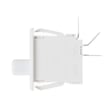
- If the dryer will not start when the door is closed, we often test the door switch WE4M415.
Why it matters
GE can use different parts across similar-looking dryers. Confirming DSXR453GV0WW from the tag prevents ordering the wrong belt, igniter, thermostat, or timer.
Last updated: February 2026
How do I know if my GE dryer heating element is bad?
On the GE DSXR453GV0WW gas dryer, a “bad heating element” usually is not the issue because gas dryers heat with a burner system. If the dryer tumbles but has no heat, we check airflow first, then test the igniter and thermostats for continuity and proper operation.
What symptoms point to a heat-system problem?
- Dryer runs but clothes stay cold or barely warm
- Dryer heats for a few minutes, then stops heating
- Long dry times even with small loads
- Burning smell or scorching (stop using the dryer and inspect airflow)
- No flame at the burner when the dryer is calling for heat
Quick checks before testing parts
- Confirm airflow: Clean the lint screen and make sure the vent hood outside opens fully.
- Check the exhaust duct: Kinks, crushed flex vent, or lint buildup can cause overheating and shut the burner down.
- Verify gas supply: Make sure the gas shutoff valve is fully open.
Why airflow matters
Restricted venting can trip safety thermostats and make the dryer act like it “won’t heat,” even when the igniter and gas valve are good.
What to test with a multimeter (unplug dryer first)
For a gas dryer like DSXR453GV0WW, continuity tests focus on the ignition and temperature controls:
- Igniter: If it is cracked or reads open, the burner will not light (see dryer burner igniter WE04X25996).
- Operating thermostat: If it is open when it should be closed, the burner may not cycle correctly (see dryer operating thermostat WE4M216).
- Timer and heat circuit: A failed timer can prevent heat on certain cycles (see dryer timer WE4M188).
Common “no heat” causes on this model (at a glance)
| Symptom | Most likely area | What we do next |
|---|---|---|
| Tumbles, never heats | Ignition system | Check igniter glow, then continuity |
| Heats briefly, then stops | Airflow or thermostat | Clear venting, test thermostat |
| Weak heat, long dry times | Vent restriction | Inspect and clean full vent run |
Why it matters
A gas dryer that is not heating efficiently often has an airflow restriction or a failing ignition component. Fixing the root cause restores normal dry times and helps prevent overheating damage to the drum, felt seals, and controls.
Last updated: February 2026
What's the life expectancy of a GE dryer?
A GE dryer like model DSXR453GV0WW typically lasts about 10 to 13 years with normal household use. Consistent airflow (clean lint screen and venting), stable heat, and a smooth-turning drum are the biggest factors that determine whether your gas dryer reaches the high end of that range.
What affects dryer lifespan the most
- Vent restriction and lint buildup (overheats components and increases run time)
- Worn drum support parts (glides, felt seal) that make the drum drag
- Drive system wear (belt, idler components) that strains the motor
- Heat system cycling issues (thermostat, igniter, gas valve problems)
- Overloading (extra stress on the motor and drum supports)
Quick maintenance that adds years
- Clean the lint screen every load; wash the screen with mild soap monthly to remove residue.
- Check airflow at the outside vent hood; weak flow usually means the vent needs cleaning.
- Keep the vent run short and smooth (avoid crushed flex duct).
- If you hear scraping or thumping, inspect drum support surfaces and seals before the drum wears.
- If drying times increase, troubleshoot airflow first, then heat.
Common wear items for DSXR453GV0WW (and what they do)
| Symptom | Likely wear area | Example part for this model |
|---|---|---|
| Drum not turning, squeal | Drive system | Drive belt WE03X29897 |
| Scraping, metal-on-metal sound | Drum support/glides | Dryer drum glide bearing WE03X37318 |
| Clothes catch at door, air leaks | Door sealing | Dryer door seal WE1M825 |
Why it matters
A dryer that is forced to run hot or run long (usually from poor venting or drum drag) wears out the motor, thermostats, and gas-heat components faster. Fixing airflow and small drum-support issues early is the most cost-effective way to extend service life.
Last updated: February 2026