 Owner’s manual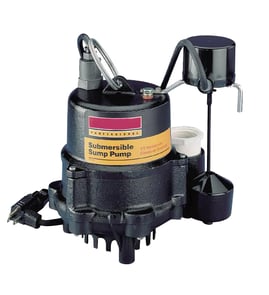

How many labor hours does it take to replace a water pump?
For the Craftsman water pump model 390260293, plan on about 1 to 2 labor hours for a typical pump disassembly and seal-related service, assuming the pump is accessible and the piping can be disconnected without complications. If the pump is hard-plumbed, heavily corroded, or needs extra troubleshooting, the job can run longer.
What drives the labor time on model 390260293
Labor time mostly depends on access, how the pump is installed, and whether you are doing a full pump swap or internal service (like seal replacement).
Common time adders include:
- Draining the pump and suction line, then re-priming after reassembly
- Stuck fittings, overtightened joints, or damaged threads on ports
- Extra time to confirm the suction side is airtight (air leaks prevent priming)
- Electrical safety steps (unplugging, verifying ground wire connection)
- Internal work such as impeller and shaft seal handling (careful reassembly so the impeller does not bind)
Typical time ranges (what most people see)
These ranges fit a Craftsman utility/sprinkler pump like the 390260293.
| Repair scope | Typical labor time | Notes |
|---|---|---|
| Basic remove and reinstall (accessible, flexible hoses) | 0.5 to 1.5 hours | Fastest when fittings come apart easily |
| Pump disassembly and seal replacement | 1 to 2 hours | Includes careful seal handling and reassembly checks |
| Hard-plumbed install, seized fittings, or troubleshooting prime issues | 2 to 4 hours | Time goes to piping work and leak checks |
Steps that keep the job from taking longer
We follow these practices because they prevent rework (especially no-prime and leak problems):
- Disconnect power before servicing the pump
- Keep suction connections airtight; even a small air leak can stop priming
- Use thread sealing methods recommended for pump ports (avoid pipe joint compounds)
- Tighten fittings appropriately (overtightening can crack pump components)
- Prime the pump body through the priming port before starting
- After reassembly, turn the shaft by hand before tightening bolts to confirm the impeller is clear
Why it matters
A “quick” pump job often turns into a long one when the pump will not prime or develops a seal leak after reassembly. Spending a few extra minutes on airtight suction connections, correct priming, and careful seal installation saves the most labor overall.
For model-specific service steps and diagrams, use the owner's manual.
Last updated: February 2026
What are the 7 major parts of a water pump?
Most water pumps, including the Craftsman 390260293 utility/sprinkler pump, are built around seven core component groups: the pump housing, impeller, diffuser/venturi, shaft and motor, shaft seal, bearings, and the inlet/outlet connections (ports/adapters). These parts work together to move water, build pressure, and prevent leaks.
The 7 major parts (and what they do)
- Pump body (housing/casing): Holds internal components and forms the water passages.
- Impeller: Spinning wheel that moves water through the pump.
- Diffuser/venturi: Directs flow from the impeller to increase pressure and efficiency.
- Shaft and motor: The motor turns the shaft; the shaft drives the impeller.
- Shaft seal (mechanical seal): Keeps water from leaking along the shaft into the motor area.
- Bearings (in the motor): Support the rotating shaft for smooth operation.
- Suction and discharge connections: The inlet (suction) and outlet (discharge) ports, often used with hose adapters, foot valve, and strainer.
How these map to the Craftsman 390260293 parts list
The 390260293 owner's manual lists these common pump components for this model.
| Major part group | Common name(s) in the manual | What you notice when it fails |
|---|---|---|
| Pump body | Pump body, seal plate | External leaks, cracks, poor pressure |
| Flow-making parts | Impeller, venturi/diffuser | Low flow, low pressure, noisy operation |
| Leak prevention | Shaft seal, O-rings, caps | Drips at the pump, water near motor |
| Drive/support | Motor, bearings (motor is lubricated for life) | Humming, overheating trips, won’t start |
| Connections | Suction/discharge ports, garden hose adapters, foot valve and strainer | Won’t prime, air leaks, weak sprinkler output |
Why it matters for troubleshooting
Knowing these seven groups helps you diagnose fast. For example, a pump that will not prime is usually a suction-side air leak, a missing/clogged strainer or foot valve, or a sealing issue at an O-ring or cap. Low pressure often points to the impeller/diffuser or a restriction.
Quick checks we recommend before replacing parts
- Unplug the pump before inspecting or servicing.
- Confirm the suction line is airtight and connections are snug (hand tight plus about 1 to 1-1/2 turns).
- Make sure the suction lift is within typical limits for this style (the manual notes 20 feet maximum).
- Keep a suction strainer installed and clean it after use.
- Never run the pump dry; fill the pump body through the priming port before starting.
Last updated: February 2026
What is the most common problem of a water pump?
For the Craftsman water pump model 390260293, the most common problem we see is loss of prime or poor pumping caused by air leaks or debris in the suction setup. A small suction-side air leak, a dirty strainer, or a leaking foot valve can stop the pump from pulling water and can lead to pump damage if it runs dry.
Most common causes (and what they look like)
- Air leak in the suction line: pump runs but won’t pick up water, or output surges.
- Dirty or missing suction strainer: reduced flow, frequent clogging, seal wear.
- Leaking foot valve: pump primes, then loses prime after shutting off.
- Suction lift too high (pump too far above water): slow prime or no prime.
- Collapsed hose (using ordinary garden hose on suction): pump starves for water.
- Running with outlet shut off or blocked: dangerous pressure and potential pump damage.
Quick checks we recommend first
- Unplug the pump before servicing.
- Confirm the suction connections are airtight and tightened correctly.
- Inspect and clean the foot valve and strainer; flush the pump after use.
- Verify the pump is primed through the priming port before starting.
- Keep suction lift at 20 ft (6.1 m) or less and place the pump close to the water source.
Common symptoms and likely causes
| Symptom | Most likely cause | What to do |
|---|---|---|
| Runs but won’t pump | Air leak, not primed, clogged strainer | Reseal threads, prime, clean strainer |
| Pumps then loses prime | Foot valve leaking | Clean/replace foot valve, check debris |
| Low flow | Long pipe runs, too many fittings, partial clog | Shorten run, reduce fittings, clean intake |
| Overheats or trips overload | Clogged impeller, low voltage, running dry | Clear blockage, verify power, restore prime |
Why it matters
This pump is designed to move clean water; pumping sand, silt, or debris (or running dry) accelerates seal and impeller wear and can cause early failure. Keeping the suction side sealed and screened is the single best way to prevent “no pump” complaints.
For model-specific operating and priming steps, follow the owner's manual.
Last updated: February 2026
Where is the part number on a water pump?
On the Craftsman water pump model 390260293, the part number you need is typically listed on the pump’s identification label or plate (often on the motor housing or pump body). For ordering, match the model number, then use the repair parts list in the owner's manual to find the exact part number and description.
Where to look on the pump
Check these common locations first (wipe dirt off so the print is readable):
- A label on the motor housing (side of the motor)
- A plate or sticker on the pump body/volute near the inlet or outlet ports
- Near the power cord entry or capacitor cover area
- On the tank plate if your setup includes a horizontal tank (some systems list the model info there)
What numbers matter (and what they mean)
Pumps can show several different numbers. Use this quick guide so you pick the right one.
| What you see on the label | What it’s used for | Example (varies by unit) |
|---|---|---|
| Model number | Identifies the pump family for parts lookup | 390260293 |
| Part number | Identifies a specific replacement part | Listed in parts list |
| Electrical rating | Confirms power requirements | Voltage, Hz, amps |
| Date/serial code | Manufacturing tracking | Code format varies |
How we recommend finding the correct part number
Use the model number first, then confirm the part by name in the diagram or list.
- Locate the model number on the pump label/plate
- Open the repair parts list in the owner's manual
- Find the part by description (example: impeller, shaft seal, O-ring, capacitor)
- Confirm it matches what you’re replacing (shape, mounting, port size, and position)
Why it matters
Water pumps often share similar-looking housings, but internal parts like the impeller, shaft seal, diffuser/venturi, and O-rings can differ by model. Using the correct part number prevents leaks, poor priming, and repeat failures.
Last updated: February 2026