Owner’s manual
 Error Codes



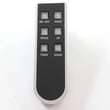
How much electricity does a 14000 BTU portable AC use?
A 14,000 BTU portable air conditioner like the Haier CPN14XC9 is rated at 1300 watts in cooling, so it uses about 1.3 kilowatt-hours (kWh) of electricity for each hour the compressor is running. See the exact electrical rating in the CPN14XC9 owner's manual.
What that means for your electric bill
Electricity cost depends on your utility rate and how often the compressor cycles on and off.
- Per hour (running): 1.3 kWh
- Per 8 hours (running): 10.4 kWh
- Per 30 days at 8 hours/day (running): 312 kWh
- Actual daily use is often lower because the unit cycles once the room reaches the set temperature.
Example cost table (cooling at 1300W)
| Utility rate (per kWh) | Cost per hour | Cost per 8 hours |
|---|---|---|
| $0.12 | $0.16 | $1.25 |
| $0.18 | $0.23 | $1.87 |
| $0.25 | $0.33 | $2.60 |
Quick ways to reduce power use (without losing comfort)
- Keep doors and windows closed so cooled air stays in the room.
- Clean the air filter weekly; restricted airflow makes the unit run longer.
- Keep the exhaust hose as straight and short as possible.
- Use Cool mode (not Fan) when you need temperature control.
- Set a realistic temperature; most people save energy by setting 74°F to 78°F.
Why it matters
Portable AC energy use is driven by watts, run time, and airflow. On the CPN14XC9, the 1300W cooling rating is the best baseline for estimating kWh and comparing operating cost to other room air conditioners.
Last updated: January 2026
Why did the portable AC suddenly stop working?
If your Haier CPN14XC9 portable air conditioner suddenly stopped working, the most common causes are a tripped plug reset (GFCI-style), a power supply issue, or a safety shutdown from a full water tank. Start by resetting the plug, confirming the outlet and breaker, and draining the unit if the warning light is on using the steps in the CPN14XC9 owner's manual.
Quick checks (in order)
- Make sure the unit is plugged in firmly; if the plug feels loose, reseat it.
- Press the RESET button on the power plug (the unit will not run until it is reset after a trip).
- Check the home circuit breaker or fuse; reset/replace if needed.
- Confirm the unit is not set to Off mode.
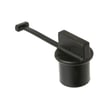
- If the warning light is on, drain the unit by removing the drain plug.
- Wait 3 minutes before restarting after a normal shutdown (compressor protection).
Drain and airflow issues that can cause a shutdown
Portable ACs can stop to protect themselves when water builds up or airflow is restricted.
What to do:
- Drain condensate at the water outlet drain; replace the drain plug securely afterward.
- Clean the air filter weekly for best efficiency; do not run without the filter installed.
- Keep the unit on a flat surface and at least about 1 foot from the wall.
- Make sure the exhaust hose is installed correctly and not kinked or blocked.
Helpful parts if something is missing or damaged
| Symptom | What to check | Model-matched part |
|---|---|---|
| Warning light on, leaking at drain | Drain plug not sealing | Plug - drain WJ01X24015 |
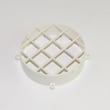
| Weak airflow, poor cooling, frequent stopping | Dirty or missing filter | Room air conditioner air filter WJ85X24694 |
Electrical safety notes
For this model, we recommend plugging directly into a properly grounded wall outlet (no adapter or extension cord). If the power cord is frayed or damaged, stop using the unit until it is serviced.
Why it matters
A sudden stop is often a built-in protection response (plug trip, compressor delay, or full condensate). Fixing the root cause prevents repeat shutdowns and helps protect the compressor and control board.
Last updated: January 2026
How to fix portable AC not blowing cold air?
If your Haier CPN14XC9 portable air conditioner runs but is not blowing cold air, the most common fixes are restoring airflow (clean the filter), sealing the room, and making sure the exhaust hose is installed correctly so hot air is vented outside. Use the steps in the CPN14XC9 owner's manual to match your exact setup.
Quick checks that fix most “no cold air” complaints
- Clean the air filter weekly; a dirty filter restricts airflow and reduces cooling.
- Confirm the exhaust hose is straight and unobstructed; kinks or blockages trap heat.
- Close doors and windows so cooled air does not escape the room.
- Keep the unit clear of obstructions (curtains, furniture) and set it on a flat surface.
- Wait 3 minutes before restarting after shutting it off so the compressor can reset.
- Drain excess water if the warning light is on; remove the drain plug and drain the unit.
Step-by-step: airflow, exhaust, and drainage
- Unplug the unit before servicing.
- Remove and clean the filter (vacuum or wash, then reinstall). If it is damaged, replace it with the room air conditioner air filter WJ85X24694.
- Inspect the exhaust path: hose connected firmly, no crushing, no sharp bends.
- If a drain or warning light indicates water buildup, drain using the plug - drain WJ01X24015 location and reinstall the plug securely.
Common causes and what to do
| Symptom | Likely cause | What we recommend |
|---|---|---|
| Weak airflow | Dirty filter | Clean or replace filter |
| Air feels cool but room stays warm | Hot air not venting | Straighten/secure exhaust hose |
| Unit stops cooling, warning light | Water full | Drain condensate |
| Cooling never seems strong enough | Room load too high | Reduce heat sources, improve sealing |
Why it matters
Portable AC cooling depends on strong airflow and proper exhaust. If hot air cannot leave through the exhaust hose, the unit recirculates heat and the supply air quickly feels less cold, even when the compressor is running.
Last updated: January 2026
How many square feet will a 14000 BTU portable air conditioner cool?
A 14,000 BTU portable air conditioner like the Haier CPN14XC9 typically cools about 400 to 550 square feet in real homes. For best results, match BTU to the room and install the exhaust hose and window panel exactly as shown in the CPN14XC9 owner's manual.
Typical coverage range (rule of thumb)
Portable AC coverage changes with heat load and humidity. Use these practical targets:
- 400 to 450 sq. ft.: sunny rooms, high humidity, lots of people or electronics
- 450 to 500 sq. ft.: average living spaces with normal insulation
- 500 to 550 sq. ft.: shaded rooms with good insulation and tight doors/windows
| Room situation | Recommended target | Why it changes |
|---|---|---|
| Bedroom, shaded, door closed | 500 to 550 sq. ft. | Lower heat gain, easier to maintain set temp |
| Typical living room | 450 to 500 sq. ft. | Moderate heat gain and air leakage |
| Sunny room or open layout | 400 to 450 sq. ft. | Higher heat load, more air mixing |
Setup tips that increase effective cooling
These steps help the CPN14XC9 deliver its rated performance:
- Keep the unit at least 1 foot from the wall for proper airflow (a common requirement for portables).
- Keep the exhaust hose short, straight, and unkinked.
- Seal the window kit tightly; air leaks make the unit cool the outdoors.
- Clean the filter weekly; a clogged filter reduces airflow and capacity.
- If the unit indicates it needs draining, remove the plug - drain WJ01X24015 and drain as directed.
Why it matters
If the room is larger than the unit can handle, the air conditioner runs longer, cools slower, and removes less humidity. Correct sizing plus a tight exhaust and window seal delivers faster comfort and better efficiency.
Last updated: January 2026