 Owner’s manual



Can I replace dishwasher parts myself?
Yes, on the GE GSC3400G00WW dishwasher you can replace many common parts yourself if you follow the safety steps in the GSC3400G00WW owner's manual and shut off power and water first. We recommend DIY repairs for straightforward mechanical items; leave complex electrical or plumbing repairs to a qualified technician.
- Door seals and leak-prevention parts (inspect for tears, flattening, or gaps)
- Spray arms and rack components (clogs, cracks, or poor rotation)
- Drain-related linkage parts that are accessible from the front or bottom
- Cosmetic panels and some door hardware (if you can safely support the door)
The manual stresses disconnecting the dishwasher from the power supply before maintenance; turning the dishwasher off does not disconnect power.
- Turn off the circuit breaker (or unplug if accessible)
- Shut off the water supply valve under the sink
- Protect the floor; expect some water when hoses or pumps are opened
- Use cut-resistant gloves around sharp edges and utensils
- Take photos of wire and hose routing before removal
If symptoms point to a specific area, matching the part to the problem keeps the repair simple.
| Symptom | Common DIY check | Example part for GSC3400G00WW |
|---|---|---|
| Leaks at the door | Inspect seal for damage and proper seating | Dishwasher door seal insert WD08X10015 |
| Poor cleaning | Check spray arm for clogs and free spinning | Spray arm WD22X155 |
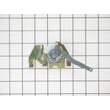
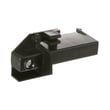
| Won’t drain | Check for blockage; verify drain mechanism moves freely | Bracket & so WD21X10268 |
DIY replacement can restore cleaning and draining performance quickly and safely, but only when power is fully disconnected and the repair matches the symptom. That prevents repeat leaks, electrical shock risk, and unnecessary part swaps.
Last updated: February 2026
Can a clogged drain cause an FTD error?
Yes. On the GE GSC3400G00WW dishwasher, a clogged drain path (air gap, sink/disposer connection, or drain hose) can stop water from pumping out, which commonly triggers drain-related errors such as FTD and may end the cycle early.
- Turn off power at the breaker before servicing.
- Check the kitchen sink: if it drains slowly, the dishwasher often cannot drain properly.
- If the dishwasher drains into a garbage disposer, run the disposer to clear it.
- If you have an air gap, remove the cap and clean out debris.
- Inspect the drain hose for kinks, crushing, or a clog.
- Look for excess suds (wrong detergent can create suds that interfere with draining).
If the drain path is clear but the unit still will not pump out, a drain control part may be sticking or failing.
| Symptom | Most likely cause | What we recommend |
|---|---|---|
| Hums but won’t drain | Drain valve/solenoid not opening | Inspect the drain solenoid linkage and valve action |
| Drains sometimes, not always | Intermittent drain solenoid | Check wiring connections and solenoid movement |
| Washes but leaves water | Pump issue or restriction at sump | Check for blockage at the sump area and pump operation |
Relevant model parts to consider:
- Bracket & so WD21X10268 (drain solenoid assembly)
- Mechanism WD26X10013 (pump and motor assembly)
Use the troubleshooting and drain guidance in the GSC3400G00WW owner's manual. If the tub has standing water and the dishwasher “won’t pump out,” the manual points you to a clogged drain, air gap cleaning, and checking the sink/disposer drain.
A restricted drain can leave dirty water in the tub, cause poor cleaning, create odors, and repeatedly stop cycles. Clearing the drain path first prevents unnecessary part replacement and gets the dishwasher running normally again.
Last updated: February 2026
How can I tell what size my dishwasher is?
To tell the size of your GE GSC3400G00WW dishwasher, we measure the cabinet opening (width, height, depth) and compare it to standard dishwasher sizes. Most built-in dishwashers are about 24 inches wide, while compact models are about 18 inches wide; confirm exact fit using the GSC3400G00WW owner's manual.
Measure the opening, not the door panel.
- Width: inside left cabinet wall to inside right cabinet wall
- Height: floor to the underside of the countertop
- Depth: back wall to the front edge of the cabinet opening (exclude the door)
- Toe-kick clearance: note any trim or flooring that reduces the opening
- Utility space: allow room for the water line, drain hose, and power cord
These are the common dishwasher size categories used for replacement planning.
| Dishwasher type | Typical width | Typical height | Typical depth |
|---|---|---|---|
| Standard built-in | ~24 in. | ~34 to 35 in. | ~24 in. |
| Compact built-in | ~18 in. | ~34 to 35 in. | ~24 in. |
| Portable (varies) | ~24 in. | ~35 to 37 in. | ~26 to 28 in. |
We recommend verifying the model number first, then measuring.
- Open the door and look for the model number label on the tub wall just inside the door
- Match the label to GSC3400G00WW
- Measure the opening in inches, then write down all three dimensions
- If your unit connects to a sink faucet, plan extra space for hose routing and storage
Dishwasher “size” affects more than width. Height and depth determine whether the dishwasher will slide in without pinching hoses or rubbing the countertop, and whether the door will open fully over your flooring.
Last updated: February 2026
Is it worth fixing a GE dishwasher?
Yes, it’s usually worth fixing a GE dishwasher like model GSC3400G00WW when the problem is a normal wear part (drain, wash, racks, seals) and the total repair cost stays well below the price of a comparable new dishwasher. Use the GSC3400G00WW owner’s manual to confirm symptoms and safe checks before buying parts.
- The dishwasher fills, washes, and drains sometimes (intermittent issues are often repairable).
- The tub is solid and not leaking from cracks.
- The issue matches a common fix: not draining, not cleaning, not drying, or door sealing.
- You can access the part safely (power off at breaker; water supply off).
- The repair is a single component, not multiple major failures.
Many GSC3400G00WW problems come down to a few serviceable components:
- Not draining: check for clogs first; if the drain system needs a mechanical fix, the drain solenoid assembly WD21X10268 is a common suspect on models that use a solenoid-driven drain mechanism.
- Poor cleaning: inspect and clear spray arm ports; replace a worn spray arm such as spray arm WD28X10103 if it’s cracked or stripped.
- Leaking at the door: replace a hardened or torn seal like dishwasher door seal insert WD08X10015.
| If your situation is… | Usually choose… |
|---|---|
| One clear failure (drain, spray, seal, rack/roller) | Repair |
| Multiple symptoms plus frequent past breakdowns | Replace |
| Major motor/pump failure and you’re also seeing other issues | Compare total cost carefully |
A targeted repair can restore cleaning and draining performance without the time and expense of replacing the dishwasher, and it helps avoid repeat problems caused by clogs, worn seals, or damaged spray components.
For model-specific operating and troubleshooting steps (including detergent guidance and drain-related checks), follow the GSC3400G00WW owner’s manual.
Last updated: February 2026
What is the average lifespan of a GE dishwasher?
Most GE dishwashers, including model GSC3400G00WW, typically last 10 to 12 years with normal household use. Consistent cleaning, correct detergent use, and keeping water temperature and loading practices in spec are the biggest factors that help you reach the high end of that range; see the GSC3400G00WW owner's manual.
- Water quality and temperature: Low inlet water temperature reduces cleaning performance and can increase re-washing; many GE units perform best with inlet water around 120°F.
- Detergent and rinse aid habits: Using dishwasher-approved detergent and keeping rinse aid filled helps cleaning and drying.
- Loading and spray coverage: Overloading or blocking the wash arm and detergent dispenser increases wear from poor wash results.
- Drain and venting health: Clogs (such as an air gap clog) can cause draining issues and stress the system.
- Seal care and leak prevention: Keeping the door seal clean and undamaged helps prevent leaks that shorten service life.
- Run a cleaning routine and wipe the door area and gasket.
- Confirm the spray arm spins freely and is not blocked.
- Check and refill rinse aid if your model uses it.
- Verify hot water reaches the sink before starting a cycle.
- Inspect for drips at the door; replace worn seals when needed.
| Symptom | What it often points to | Example part for this model |
|---|---|---|
| Poor cleaning | Restricted spray, weak wash circulation | Spray arm WD22X155 |
| Not draining | Drain solenoid or drain restriction | Bracket & so WD21X10268 |
| Leaking at the door | Worn or damaged door sealing surfaces | Dishwasher door seal insert WD08X10015 |
A dishwasher that is cleaned and loaded correctly usually avoids repeat cycles, overheating, and leak damage. That reduces stress on high-wear components like the pump, motor, seals, and drain system, which is what most often determines whether you get 8 years or 12 years from a GE dishwasher.
Last updated: February 2026
What is the most common problem with GE dishwashers?
The most common GE dishwasher problem is a drain issue: water stays in the bottom because the drain path is clogged (air gap, disposer connection, or drain hose). On the GE GSC3400G00WW, the GSC3400G00WW owner's manual troubleshooting steps focus heavily on clearing the drain system and using the correct detergent to prevent suds.
- Clean water standing at the back/bottom of the tub after a cycle
- Dishwasher won’t pump out, or drains very slowly
- Suds or foam in the tub (often from using the wrong detergent)
- Dishes not drying well (often tied to rinse aid and water temperature)
- Dishes not getting clean (often tied to loading and spray coverage)
- Confirm the sink drains well: if the kitchen sink backs up, the dishwasher often cannot drain.
- If you have an air gap, clean it: a clogged air gap is a common cause of standing water.
- If draining into a disposer, run the disposer: a partially blocked disposer can restrict dishwasher draining.
- Use only automatic dishwasher detergent: hand-wash soap creates heavy suds and can stop proper draining.
- Check loading: large items can block the wash arm or detergent cup.
If the drain path is clear but the unit still will not drain, these parts are often involved.
| Symptom | Most likely area | Example part for this model |
|---|---|---|
| Won’t drain, hums or struggles | Drain solenoid linkage/actuator | Bracket & so WD21X10268 |
| Poor wash plus drain problems | Pump/motor not moving water well | Mechanism WD26X10013 |
| Suds, overflow-like behavior | Wrong detergent or rinse aid spill | Not a part; correct product use |
A small amount of clean water in the bottom of the tub can be normal because it helps keep the water seal lubricated. Persistent standing water, heavy suds, or repeated poor cleaning usually points to a clogged drain route, incorrect detergent, or a failing drain or pump component.
Last updated: February 2026





