Owner’s manual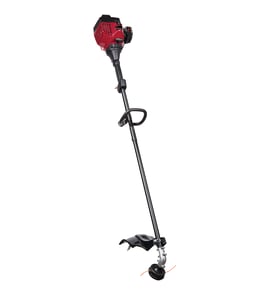


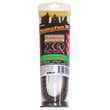

Can you use a different size trimmer line?
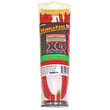
Yes, but only if the cutting head on your Craftsman 358795160 is designed for that diameter. This model’s manual explains that the cutting head has “small” and “large” line holes; using the wrong size can feed poorly, wear faster, and reduce cutting performance. See the 358795160 owner’s manual for the correct setup.
How to choose the right line size for this trimmer
The manual’s rule is simple: match the line to the holes on the cutting head.
- Use the holes marked small for green or red line
- Use the holes marked large for black line
- Install the line so both ends are the same length
- Let the tip of the line do the cutting (do not crowd the head into the work)
- For light trimming or near fences and posts, use less than full throttle to reduce line wear
Quick guide: color, hole marking, and typical use
| Line color (as described in the manual) | Cutting head hole marking | Typical use |
|---|---|---|
| Green | Small | Grass |
| Red | Small | Grass and small weeds |
| Black | Large | Larger weeds and light brush |
What happens if you use the wrong size
Using a different diameter than the head is designed for commonly causes these issues:
- Line will not feed or seat correctly in the positioning tunnels
- Uneven line lengths that increase vibration
- Faster line wear and more frequent line breaks
- Poor cut quality because the line tip cannot spin cleanly
Why it matters
Correct line size protects the cutting head, improves cut quality, and reduces wasted line. It also helps keep debris throwing under control by letting the trimmer operate as designed.
Last updated: January 2026
What are the most common issues with 358795160?
For the Craftsman 358795160 gas line trimmer, the most common problems are fuel delivery issues (won’t start, starts then dies), hard starting from a weak primer system, and cutting head or line-feed trouble. Our owner's manual covers the correct starting, fueling, and basic maintenance steps.
Most common symptoms and what usually causes them
- Won’t start or only runs on choke: stale fuel, restricted fuel filter, cracked fuel line, carburetor diaphragm issues
- Starts then dies at idle: air leak in fuel line, clogged filter, carburetor metering problem
- Hard to prime or primer won’t fill: cracked fuel line, leaking primer bulb, carburetor gasket/diaphragm wear
- String won’t feed or breaks constantly: incorrect line size, improper winding, worn cutting head components
- Pull cord issues: worn rope, weak start spring, damaged recoil handle
Quick checks we recommend (10 to 15 minutes)
- Dump old fuel and refill with fresh, properly mixed 2-cycle fuel.
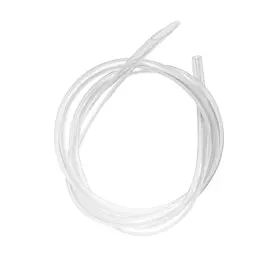
- Inspect the fuel lines for soft spots, cracks, or loose fits; replace as needed.
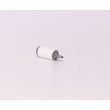
- Replace the in-tank fuel filter if it looks dark, clogged, or won’t flow.
- Press the primer bulb several times; it should firm up and move fuel.
- Remove and rewind trimmer line correctly; confirm you are using the right diameter.
Parts that commonly fix these issues
| Problem area | What you’ll notice | Common replacement on this model |
|---|---|---|
| Fuel delivery | Surging, dying, no start | Craftsman lawn & garden equipment engine fuel filter 530095646, ayp lawn & garden equipment fuel line, large 530069216 |
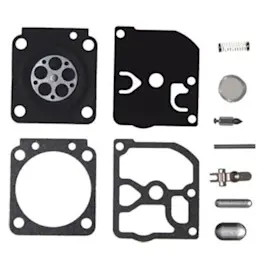
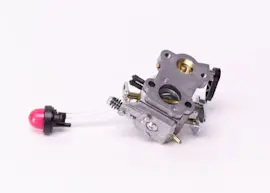
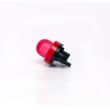
| Primer/carburetor | Won’t prime, only runs on choke | Ayp lawn & garden equipment engine carburetor primer bulb 530047721, husqvarna lawn & garden equipment engine carburetor diaphragm and gasket kit 530069844 |
| Cutting system | Poor cutting, feed problems | Cutting head 590267601 |
Why it matters
Most “no start” and “starts then dies” complaints on 2-cycle trimmers trace back to fuel system leaks or restrictions. Fixing the fuel line, filter, and primer components restores correct fuel flow and prevents lean running that can damage the engine.
Last updated: March 2026
What is the strongest string trimmer line?
For the Craftsman 358795160 gas line trimmer, the “strongest” line is usually a premium, larger-diameter trimmer line that matches what the cutting head and line limiter blade are designed to handle. We recommend confirming the correct line diameter and loading method in the Craftsman 358795160 owner’s manual before buying.
What “strongest” means for real-world trimming
Strength is a mix of durability and cutting performance. The best choice depends on what you cut most often.
- Thicker line (within spec) usually lasts longer and resists breakage
- Premium blends (often reinforced) resist fraying and melting
- Shape matters: round is durable; twisted can be quieter; multi-sided can cut more aggressively
- Your technique matters: the manual notes the tip of the line does the cutting, and crowding the line increases wear
Quick guide: line types and when to use them
| Line type | Best for | Tradeoff |
|---|---|---|
| Round | General trimming, durability | Slower on thick weeds |
| Twisted | Reduced noise, decent durability | Can wear faster on abrasive surfaces |
| Square or multi-sided | Aggressive cutting on weeds | More vibration; can break faster if it hits hard objects |
| Reinforced “heavy-duty” | Fence lines, rocky edges, tough weeds | Needs correct diameter to feed properly |
How to choose the strongest line for your 358795160
- Use the largest diameter allowed for the trimmer head and shield line limiter blade
- If you cut near rocks, edging, or fence posts, choose round or reinforced line for durability
- If you mainly cut thick weeds, choose a more aggressive profile (square or multi-sided)
- Avoid “oversizing” line; it can cause poor feeding, extra vibration, and head wear
Why it matters
Using the correct line helps the trimmer cut efficiently at lower throttle, reduces vibration, and prevents damage from line tangles or impacts around hard objects.
Last updated: January 2026