Owner’s manual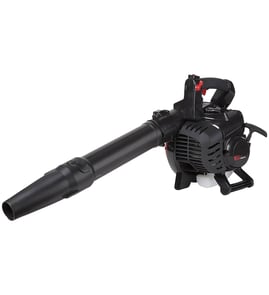




How to find Craftsman leaf blower model number?
Your Craftsman leaf blower’s model number is printed on a factory ID label on the unit. For model 316794030, the operator’s manual identifies it as “Model No. 316.794030”, and the same number is typically found on a label on the blower housing or engine area (often near the motor casing). See the owner's manual for the model identification and unit layout.
Where to look on a Craftsman blower
Check these common label locations first:
- Side of the engine/motor housing (near the starter rope, choke lever, or primer bulb)
- Back of the unit near the frame or harness mounting area (for backpack blowers)
- Near the air filter cover or muffler area
- On the lower housing near the stand or tube connection point
- On a sticker or metal tag that also lists emissions or engine information
What the model number looks like
Craftsman outdoor power equipment model numbers are usually a short number string.
| What you might see | What it means | Example for this unit |
|---|---|---|
| Model No. | The full model identifier used to match parts | 316794030 (may appear as 316.794030) |
| Serial No. | Unique number for your specific unit | Varies by unit |
| Engine info | Specs like displacement or plug type | 27 cc, 2-cycle (from the manual) |
Why the exact model number matters
We use the model number to match the correct parts diagrams and parts list for your blower. Even small differences (like a dot in 316.794030) can point to a different parts breakdown, which affects items like tubes, fuel system parts, and ignition components.
Quick tip if the label is hard to read
- Wipe the label with a damp cloth and mild soap, then dry it
- Use a flashlight at an angle to make faded printing easier to see
- Take a close-up photo and zoom in
Last updated: February 2026
How many cfm should a good leaf blower have?
A “good” leaf blower CFM depends on the size of the cleanup and the type of debris. For the Craftsman 316794030 gas leaf blower, the manual lists air volume up to 415 CFM at the outlet (lower at the tube/nozzle), which fits typical residential yard cleanup. See the owner's manual for the full CFM breakdown by configuration.
Quick CFM targets (what to shop for)
- 200 to 400 CFM: small yards, dry leaves, light cleanup
- 400 to 700 CFM: most homeowners, routine lawn and driveway cleanup
- 700+ CFM: large properties, heavier debris, faster clearing (often backpack blowers)
- CFM moves volume: best for moving lots of leaves at once
- MPH adds punch: helps dislodge wet leaves and debris stuck in corners
What your Craftsman 316794030 is rated for
The 316794030 has different airflow depending on what is attached (outlet vs. tube vs. nozzle). Here is what the manual lists:
| Measurement point | Air volume (CFM) | What it means in use |
|---|---|---|
| Outlet | 415 | Maximum volume before attachments restrict flow |
| Blower tube | 390 | Typical flow with tube installed |
| Nozzle | 265 | More restriction; more focused stream |
| Flare nozzle | 270 | Similar to nozzle; shaped for directing airflow |
Why it matters (CFM vs. MPH)
CFM is the “how much air” number; it determines how quickly you can move piles of leaves across a lawn. MPH is the “how hard it hits” number; it helps break loose damp debris and clear cracks in sidewalks and driveways.
Tips to keep airflow strong
- Keep the air openings clear; blocked intakes reduce airflow and performance.
- Do not run the blower with tubes/nozzle removed or loose.
- Stop immediately if the unit vibrates abnormally and inspect for the cause.
- Keep the engine and muffler area free of grass and leaf buildup.
- Use the correct tube/nozzle setup for the job; the nozzle can trade volume for control.
Last updated: February 2026
Are gas leaf blowers being phased out?
Yes. Gas leaf blowers are being phased out in many areas through local noise and air-quality rules, and some states and cities restrict new sales or limit when they can be used. For your Craftsman 316794030, the key is following your local ordinance and operating it safely per the owner's manual.
What “phased out” usually means
Most phase-outs fall into one of these categories:
- Use restrictions: limited hours, days, or seasons for operation
- Noise limits: decibel caps that effectively restrict certain gas blowers
- Sales restrictions: limits on selling new gas-powered outdoor equipment
- Commercial rules: earlier restrictions for landscaping businesses than homeowners
- Enforcement timeline: warnings first, then fines after a set date
How to stay compliant while using model 316794030
Your manual already supports common ordinance requirements (reasonable hours and lower throttle when possible). Use these best practices:
- Operate only during reasonable hours (many ordinances use daytime windows)
- Run at the lowest speed that gets the job done
- Keep the air openings and tubes clear to maintain airflow and reduce strain
- Never point the blower toward people, pets, windows, or vehicles
- Before any service or inspection: stop the engine, let it cool, and disconnect the spark plug wire
Quick checklist: what to verify locally
| What to check | Why it matters | Typical outcome |
|---|---|---|
| Allowed operating hours | Noise complaints are the top trigger | You may need to avoid early morning and late evening use |
| Gas blower rules (use vs. sale) | Some places restrict sales but allow existing units | You may be able to keep using your current blower |
| Commercial vs. homeowner rules | Contractors are often regulated first | Different timelines and penalties |
| Exemptions | Some areas allow limited exemptions | Temporary allowance for specific needs |
Why it matters
Beyond compliance, these rules push users toward quieter equipment and cleaner operation. Even if you keep using a gas blower, running it at lower speed, keeping tubes clear, and avoiding dusty conditions helps reduce noise, debris blowback, and wear on the engine.
Last updated: February 2026
Which brand of gas leaf blower is best?
The best gas leaf blower brand is the one that matches your workload and comfort needs. For most homeowners, Craftsman is a strong choice when you want solid performance with straightforward maintenance; the Craftsman 316794030 is a 27 cc 2-cycle blower rated up to 415 CFM and 175 MPH (with nozzle). For heavy daily use, pro-focused brands typically prioritize maximum power and long-run durability.
How to choose the “best” brand for your job
Use these factors first, then compare brands within the same class (handheld vs backpack):
- Air volume (CFM): higher moves more leaves faster, especially wet debris
- Air speed (MPH): higher helps lift stuck debris from cracks and mulch
- Weight and harness comfort: critical for backpack blowers (fatigue matters)
- 2-cycle fuel mix and starting system: easier starting saves time and frustration
- Parts availability and serviceability: filters, fuel parts, ignition, and tubes wear over time
For model-specific specs and safe operating guidance, use the owner's manual.
Quick comparison: what “best” usually means
| Best for | What to prioritize | Typical blower style |
|---|---|---|
| Small yards, quick cleanup | Light weight, easy starting, moderate CFM | Handheld gas blower |
| Medium to large yards | Higher CFM/MPH, manageable weight | Backpack gas blower |
| Heavy debris, frequent use | Maximum CFM, durable engine, comfortable harness | Pro-grade backpack |
Where the Craftsman 316794030 fits
This Craftsman model is built for property cleanup like yards, driveways, patios, and around fences. It uses a 40:1 fuel/oil mix, has a 20 oz fuel tank, and weighs about 17 to 18 lb (no fuel). Those specs put it in a practical “homeowner to serious DIY” range where comfort and maintenance are as important as raw power.
Common maintenance and parts that influence “best” over time
A brand feels “best” when it stays reliable. These items often decide that:
- Fuel system condition (fresh fuel mix, clean tank, good cap seal)
- Air intake and filter cleanliness
- Tight, leak-free engine sealing surfaces
- Ignition health (spark and lead wire condition)
- Tube and nozzle fit (air leaks reduce performance)
If you are chasing a rough idle, hard starting, or fuel smell, a common fix is replacing sealing parts like the lawn & garden equipment engine carburetor mount gasket 753-06253.
Why it matters
Choosing by brand name alone often leads to a blower that is too heavy, too loud, or underpowered for your yard. Matching CFM/MPH, weight, and parts support to your actual cleanup routine gets you better performance and fewer repairs.
Last updated: February 2026
What is the life expectancy of a gas leaf blower?
A gas leaf blower typically lasts about 8 to 10 years with normal homeowner use and routine maintenance. For your Craftsman 316794030, using the correct 40:1 fuel/oil mix and keeping the air intake and filter clean are the biggest factors in reaching that lifespan (or longer); see the owner's manual.
What affects lifespan the most
- Fuel quality and mix ratio: Always run fresh fuel mixed at 40:1 (per the manual) to reduce piston and cylinder wear.
- Air filtration: A dirty filter makes the engine run rich and hot, shortening engine life.
- Cooling and debris control: Keep intake areas clear; never set the unit down while running because debris can be pulled in.
- Storage habits: Avoid storing the blower with fuel in the tank inside a building; follow the manual’s storage steps.
- Vibration and mounting wear: Loose fasteners and worn isolators accelerate cracking and air leaks.
Typical lifespan ranges (what we see most often)
| Use pattern | Typical life expectancy | What usually ends it first |
|---|---|---|
| Occasional seasonal use | 10+ years | Fuel system varnish, clogged carburetor |
| Regular weekly use | 8 to 10 years | Air leaks, ignition wear, muffler restriction |
| Heavy property or commercial-like use | 5 to 7 years | Engine wear, heat stress, vibration damage |
Maintenance checklist to help your 316794030 reach 10+ years
- Mix fuel accurately at 40:1 and do not use old fuel.
- Clean or replace the air filter on schedule.
- Inspect for air leaks at the carb mounting area; replace the lawn & garden equipment engine carburetor mount gasket 753-06253 if it’s brittle, torn, or oil-soaked.
- Keep the exhaust clear; a restricted muffler can cause power loss and overheating.
- Before servicing or cleaning, stop the unit, let it cool, and disconnect the spark plug wire (per the manual).
Why it matters
Most “worn-out” gas blowers fail early from fuel-system issues (stale fuel, clogged carburetor passages) or overheating (restricted airflow, dirty filter). Staying on top of those basics costs little and adds years of reliable starting and full power.
Last updated: February 2026