Owner’s manual
 View engine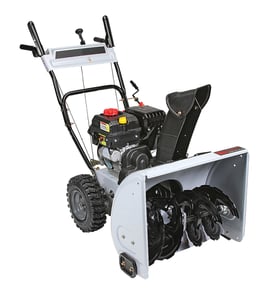


Can you buy Husqvarna parts online?
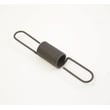
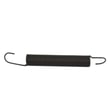
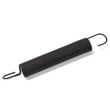
Yes. We sell replacement parts for your Husqvarna 1130SBEXP gas snowblower online, and you can order them directly from the parts list for this model. Use the diagrams to match the exact part name and part ID, then confirm fitment in the owner's manual.
How to order the right Husqvarna 1130SBEXP part
- Find your part on the model’s parts list and diagram (fasteners, drive, auger, chute, lighting).
- Match the part name and part ID exactly before ordering.
- Compare your old part to the diagram location (left vs. right parts matter).
- If multiple versions exist, verify by your unit’s serial number range (listed in the manual or on the ID tag).
- Order common wear items early in the season so you are ready for the next storm.
Examples of parts you can buy online for this model
Here are a few in-stock examples from the 1130SBEXP parts list:
| What it’s for | Example part (anchor) | Notes |
|---|---|---|
| Chute control tension | Chute deflector tension spring 532184505 | Helps the deflector hold position. |
| Scraper height control | Snowblower skid shoe, left 532174762 | Worn skid shoes reduce clearing performance. |
| Auger drive components | Snowblower gearbox worm gear 598831601 | Used when the auger gearbox is damaged or stripped. |
Why it matters
Snowblowers rely on correct-fit parts for safe operation and proper snow-throwing performance. Using the exact Husqvarna 1130SBEXP part ID helps prevent issues like poor traction, chute drift, or auger binding.
Last updated: February 2026
What are common gas snow blower problems?
Common problems on the Husqvarna 1130SBEXP gas snowblower include a no-start condition (often fuel shutoff/key/choke or stale fuel), rough running, loss of traction, and reduced snow discharge from a clogged chute or worn auger/drive belt. Use the owner's manual troubleshooting chart to match symptoms to fixes.
Most common symptoms and what they usually mean
- Won’t start: fuel shut-off valve OFF, safety ignition key missing, out of fuel, throttle in STOP, choke/primer not set, flooded engine, spark plug wire off, bad spark plug, stale fuel, or water in fuel
- Runs rough or lacks power: choke left on, fuel line restriction, stale/water-contaminated fuel, muffler restriction
- Hard to pull recoil starter: recoil mechanism frozen
- Loss of traction or slow drive: worn drive belt, belt off pulley, worn friction drive wheel
- Poor snow discharge: auger belt off/worn, clogged discharge chute, auger/impeller jam
Quick checks we recommend (fast, no parts needed)
- Set throttle to RUN and confirm the safety ignition key is fully inserted.
- Turn the fuel shut-off valve to OPEN (if equipped).
- If fuel is older, drain and refill with fresh fuel; water or stale fuel commonly causes no-start and rough running.
- Check the spark plug wire is firmly connected; inspect the plug condition and gap per the manual.
- Clear packed snow from the chute and housing; keep the machine clean after each use.
When a part is likely involved
| Symptom | Common wear area | Example part on this model page |
|---|---|---|
| Slow or no drive | Traction drive system wear | Snowblower drive plate weldment 532197763 |
| Weak discharge or jamming | Auger/impeller drivetrain wear | Snowblower gearbox worm gear 598831601 |
| Chute won’t hold position well | Chute/deflector tension issue | Snowblower chute deflector tension spring 532184505 |
Why it matters
Catching fuel issues, belt wear, and chute blockages early prevents bigger failures like drivetrain damage and also keeps the snow thrower operating safely and at full throwing distance.
Last updated: February 2026
Are Husqvarna snowblowers any good?
Husqvarna snowblowers, including the Husqvarna 1130SBEXP, are a solid choice when you want strong snow-moving performance and long-term serviceability; overall results depend most on matching the machine’s size and features to your snowfall and keeping up with routine maintenance in the owner's manual.
What “good” means for a snowblower
A snowblower is “good” when it reliably starts, throws snow consistently, and keeps traction and control in real conditions (wet snow, plow berms, uneven driveways). For a two-stage gas unit like the 1130SBEXP, the biggest indicators are drivetrain condition, auger/impeller performance, and ease of adjustment.
Quick checklist before you buy or tune up
- Choose a clearing width and intake height that match your typical snow depth.
- Prioritize traction and control (tires, drive engagement, chute control feel).
- Plan on seasonal maintenance (oil, spark plug checks, lubrication, belt inspection).
- Keep wear items on your radar (skid shoes, shave plate, shear hardware).
- Use fresh fuel and store it correctly to prevent hard-start and running issues.
Maintenance and parts support (why many owners stay satisfied)
A big part of “any good” is whether you can keep it running. The 1130SBEXP has common service points you can maintain at home, and many replacement parts are straightforward to source.
| What you maintain | What it affects | Typical symptom when neglected |
|---|---|---|
| Drive system lubrication and adjustment | Forward/reverse drive, traction | Slipping, poor movement, inconsistent speeds |
| Auger shaft lubrication | Snow intake and feed | Noisy auger, binding, uneven throwing |
| Skid shoe setup | Scraping and housing protection | Poor scrape, gravel pickup, premature wear |
| Chute control adjustment | Throw direction control | Chute won’t hold position or is hard to turn |
If you’re already seeing drivetrain issues (grinding, loss of drive, or intermittent auger action), inspecting the gearbox components is a common next step; the snowblower gearbox worm gear 598831601 is one of the model-specific parts used in that area.
Warranty context (what to expect)
For noncommercial, nonincome-producing use, Husqvarna’s limited warranty coverage for snowblowers is typically 2 years from the date of purchase, assuming reasonable care and maintenance. Keep your proof of purchase and follow the maintenance guidance in the manual.
Why it matters
Most “bad snowblower” complaints come down to mismatch (too small for conditions) or skipped upkeep (stale fuel, lack of lubrication, worn wear parts). When the 1130SBEXP is sized right and maintained, it delivers dependable clearing performance season after season.
Last updated: February 2026
What is the typical lifespan of a gas snowblower?
A gas snowblower typically lasts 10 to 15 years. For a Husqvarna 1130SBEXP snow thrower, consistent seasonal maintenance (cleaning, lubrication, and timely belt and wear-part replacement) is what most directly determines whether you land closer to 10 years or push past 15.
Typical lifespan: what to expect
Most gas snowblowers fall into this range when they are maintained and stored correctly:
| Usage and care level | Typical lifespan | What usually ends it first |
|---|---|---|
| Light use, good maintenance | 12 to 15 years | Rubber wear parts, belts, friction/drive wear |
| Moderate use, average maintenance | 10 to 12 years | Drive system wear, corrosion, fuel issues |
| Heavy use, poor maintenance | 6 to 10 years | Engine wear, rust, repeated belt and drivetrain failures |
Maintenance habits that extend life
We see the biggest lifespan gains from these basics (many are called out in the owner's manual):
- Clean after each use; keep the housing free of dirt and debris.
- Avoid spraying water into the machine; water intrusion can shorten engine life.
- Inspect and replace belts when needed (especially before storage).
- Lubricate moving points on schedule (auger shaft, drive components, wheels).
- Tighten and inspect fasteners; replace worn nuts, bolts, pins, and springs.
- Store it dry and covered with a breathable cover; avoid plastic that traps moisture.
Why it matters
A snowblower’s engine and drivetrain can run for many seasons, but neglect usually causes early failure through fuel-system gumming, corrosion, and accelerated wear in the auger and traction drive. Good cleaning and storage practices prevent the most common “shortened engine life” and rust problems.
Parts that commonly affect longevity
If performance drops, these are common wear or failure points to check and replace as needed:
- Skid shoes (protect the housing and scraper area): snowblower skid shoe, left 532174762
- Chute control tension and return: Husqvarna snowblower chute deflector tension spring 532184505
- Traction and drivetrain wear components: snowblower gearbox worm gear 598831601
- Auger support and smooth rotation: bearing.ball.auger.shaft 532187925
Last updated: February 2026
Is a 2 stage or 3 stage snowblower better?
A 2-stage snowblower is the better choice for most homeowners because it handles typical driveway snow well and is simpler to maintain. A 3-stage snowblower is better when you regularly face deep, heavy, or icy snow and want faster intake and higher throughput; your Husqvarna 1130SBEXP is a 2-stage style machine.
Quick comparison: 2-stage vs 3-stage
| Feature | 2-stage snowblower | 3-stage snowblower |
|---|---|---|
| Best for | Most driveways, mixed snow | Deep, heavy, end-of-driveway plow berms |
| Snow intake | Strong, steady | Faster, more aggressive |
| Maintenance complexity | Lower | Higher |
| Typical cost | Lower | Higher |
How to decide for your driveway
Choose a 2-stage if most of these are true:
- Snowfall is usually under about 12 inches at a time
- You want fewer moving parts and easier upkeep
- You clear a standard driveway and sidewalks
- You prefer a machine that is easier to maneuver
Choose a 3-stage if most of these are true:
- You frequently clear deep, wet, or compacted snow
- You deal with tall plow piles at the street
- You want faster clearing in extreme conditions
- You are comfortable with more maintenance and adjustments
Why it matters (performance and control)
No matter which design you choose, technique and setup make a big difference. For best throwing performance, we run the engine at full throttle and use the drive speed control to slow down in heavy snow. We also set skid plates correctly for the surface so the scraper bar height is right.
Tips to get the most from a 2-stage like the Husqvarna 1130SBEXP
- Run at full throttle for best throwing performance
- Slow ground speed (not throttle) in deep or wet snow
- Slightly overlap passes to avoid leaving ridges
- Throw snow downwind when possible
- Keep the chute and deflector adjusted for direction and distance
For control locations, adjustments, and operating tips specific to your machine, use the owner's manual.
Last updated: February 2026