Owner’s manual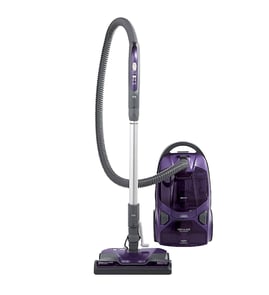

Are Kenmore canister vacuums good?
Yes. Kenmore canister vacuums, including Kenmore model 11629429990, are a solid choice when you want strong everyday cleaning on hard floors and low-pile carpet, plus the cleanliness benefits of a bagged system. They can feel bulkier than stick vacuums, but they typically deliver dependable suction and useful attachments.
What “good” means for a canister vacuum
A canister vacuum is usually the best fit when you want suction control, above-floor cleaning, and better reach under furniture.
Common strengths we see with Kenmore canister designs:
- Strong suction for hard floors, area rugs, and low-pile carpet
- Bagged dust collection that helps contain fine dust and odors
- Versatile tools for upholstery, stairs, and tight spaces
- Power nozzle (Power-Mate) style cleaning for carpet on many models
- Straightforward maintenance (bag changes, filter cleaning)
What to consider before you buy or keep one
Canister vacuums trade compact storage for performance and versatility.
| Feature | Typically a plus | Typically a drawback |
|---|---|---|
| Bagged system | Cleaner disposal, good for allergies | Ongoing bag cost |
| Canister body + hose | Great reach and under-furniture access | More pieces to maneuver |
| Power nozzle (if equipped) | Better carpet agitation | More maintenance (belt, brush) |
How to get the best performance from model 11629429990
Your manual outlines the core upkeep that keeps suction strong and the power nozzle working correctly.
We recommend these basics:
- Change the dust bag before it overfills (reduced airflow hurts cleaning)
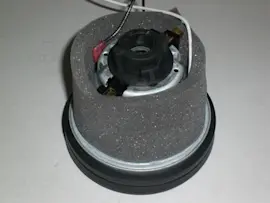
- Clean the motor safety filter as scheduled
- Keep the hose, wand, and floor nozzle clear of clogs
- If the brush stops cleaning well, inspect the belt and brush roll for hair and debris
- Use the height setting guidance for your floor type to avoid bogging down on carpet
For model-specific steps and diagrams, use the 11629429990 owner's manual.
Why it matters
A “good” vacuum is mostly about airflow and agitation. When bags and filters are maintained and the brush system is kept clean, a Kenmore canister vacuum delivers the suction and pickup people expect, especially on mixed flooring.
Last updated: February 2026
Are canister vacuums outdated?
Canister vacuums are not outdated; they are still a practical choice for many homes because they combine strong suction with flexible cleaning tools. With the Kenmore 11629429990 canister vacuum, features like suction control and a performance indicator support effective cleaning across floors and above-floor areas (see the 11629429990 owner's manual).
Why many people still choose a canister vacuum
Canister designs remain popular because they handle mixed surfaces and tight spaces well.
- Strong, consistent suction for carpets and hard floors
- Easier above-floor cleaning (stairs, upholstery, drapes) using a hose and attachments
- Better reach under furniture compared with many uprights
- Adjustable suction for delicate fabrics using the suction control
- Helpful performance feedback (some models) when airflow is restricted
What “modern” looks like on this Kenmore canister
Your Kenmore 11629429990 includes operating and performance features that are still relevant today.
| Feature | What it does | Why it matters |
|---|---|---|
| Suction control | Opens/closes airflow to reduce or increase suction | Prevents lightweight rugs or drapes from sticking while keeping power for carpets |
| Performance indicator (some models) | Signals reduced airflow from clogs, a full bag, or a dirty filter | Helps you restore suction before cleaning performance drops |
| Overload protector (Power-Mate) | Shuts off the brush if it jams; canister motor can keep running | Protects the belt and brush system from damage |
How to keep a canister vacuum performing like it should
A canister vacuum only feels “outdated” when airflow is restricted or the brush system is not working correctly.
- Change the dust bag when suction drops or the indicator shows restriction
- Clean the motor safety filter on the schedule in the manual
- Check the hose, wand, and floor nozzle for clogs (unplug first)
- Use slow, straight strokes on carpet for best deep cleaning
- If the brush stops, clear the jam and reset the overload protector button
Why it matters
If you maintain airflow (bag, filters, and clogs) and keep the brush system clear, a canister vacuum delivers the same core benefits people want today: strong pickup, versatility, and controlled suction for different surfaces.
Last updated: February 2026
Does a Kenmore canister vacuum have a fuse?
Yes. Kenmore canister vacuums such as model 11629429990 commonly include a protective fuse or thermal cutout in the power path to help prevent motor damage if the vacuum overheats or an electrical fault occurs. For your exact fuse location and access steps, use the 11629429990 owner's manual.
What “fuse” means on a canister vacuum
On many Kenmore canister vacuums, the protection device is one of these:
- Replaceable fuse in the wiring harness or near the cord reel area
- Thermal protector (resettable) that opens when the motor overheats and resets after cooling
- Thermal fuse (non-resettable) that opens permanently after an overheat event
Quick checks before you assume the fuse is bad
Unplug the vacuum first.
- Confirm the outlet works by testing a lamp or another device
- Inspect the power cord for cuts, kinks, or a loose plug
- Make sure the dust bag is installed correctly and not overfull
- Check for a clog in the hose, wand, or floor nozzle that could overheat the motor
- Let the vacuum cool for 30 to 60 minutes if it shut off during use (thermal protector behavior)
How we recommend testing it (basic electrical troubleshooting)
If the vacuum is completely dead (no motor, no lights), testing continuity is the fastest way to narrow it down.
| Symptom | Most common cause | What to check next |
|---|---|---|
| Dead, no response | Open fuse/thermal device, bad cord, bad switch | Cord continuity, switch continuity, thermal device |
| Runs briefly then stops | Overheating from clog or full bag | Airflow path, filters, brush roll load |
| Intermittent power | Cord reel contacts or cord damage | Cord reel area, strain relief, plug |
A multimeter continuity test is the standard method; our how to use a multimeter to test electrical parts video walks through the basics.
Why it matters
A blown fuse or tripped thermal protector is usually a symptom, not the root cause. Restoring airflow (bag, motor safety filter, clogs) prevents repeat shutdowns and helps protect the motor.
Last updated: February 2026
Does the Kenmore 11629429990 bagged canister vacuum have a retractable cord?
Yes. The Kenmore 11629429990 bagged canister vacuum uses a cord rewind system, so the power cord retracts back into the canister when you press the cord rewind bar (after unplugging and holding the plug). See the 11629429990 owner's manual for cord rewind safety and operating steps.
How the retractable cord works
The manual describes a cord rewind bar on the canister:
- Pull the cord out to the length you need.
- The cord does not rewind until you press the cord rewind bar.
- Unplug first, then hold the plug while rewinding to prevent damage or injury.
- Keep children away and keep a clear path because the cord moves rapidly.
Quick safety checklist (before you rewind)
- Turn the vacuum OFF.
- Unplug from the outlet.
- Hold the plug in your hand (do not let it whip).
- Press the cord rewind bar and guide the cord in.
- Stop if the cord binds, then pull out a little and try again.
Cord rewind troubleshooting
If the cord will not retract smoothly, these are the most common causes:
| Symptom | Most common cause | What we recommend |
|---|---|---|
| Cord will not retract | Cord not fully unplugged or rewind bar not fully pressed | Unplug, press and hold the rewind bar, guide cord in |
| Cord retracts partway | Twisted cord or debris at cord entry | Pull cord all the way out, straighten, rewind slowly |
| Cord retracts too fast | Letting go of the plug | Always hold the plug and guide the cord |
Why it matters
A working retractable cord makes storage easier and helps prevent cord damage. Guiding the plug during rewind also protects the cord reel and reduces the chance of the plug striking the canister.
Last updated: February 2026
How long do Kenmore canister vacuums last?
Most Kenmore canister vacuums typically last 8 to 12 years with normal household use and routine maintenance. For Kenmore model 11629429990, keeping up with bag, belt, and filter care in the 11629429990 owner's manual is what most directly extends service life.
Typical lifespan and what affects it
A canister vacuum’s life depends more on maintenance and airflow than on hours of use alone.
- Bag changes on time (a constantly full bag strains the motor)
- Motor safety filter kept clean (protects the motor from fine dust)
- Belts and brushroll maintained (especially on the POWER-MATE nozzle)
- Clogs cleared quickly (hose, wand, nozzle, and inlet)
- Cord rewind treated gently (avoid yanking to the stop)
Signs it’s near end of life
If these keep happening after basic maintenance, the vacuum is usually nearing replacement time.
- Noticeably reduced suction even with a new bag and clean filters
- Burning smell or repeated overheating shutoffs
- Nozzle brush not spinning after belt and brush cleaning
- Intermittent power from cord, handle switch, or wiring connections
- Loud grinding/whining from the motor or nozzle drive
Maintenance schedule we recommend
| Item | What to do | Typical interval |
|---|---|---|
| Dust bag | Replace before it’s packed full | Every 1 to 2 months |
| Motor safety filter | Clean or replace as directed | Every 3 to 6 months |
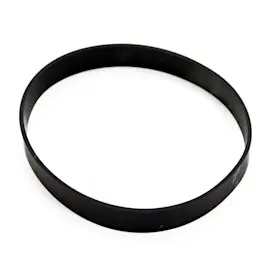
| Brushroll and belt | Inspect, clean hair/debris, replace belt if stretched | Every 6 to 12 months |
| Hose/wand/nozzle | Check for clogs and air leaks | As needed |
Why it matters
A Kenmore canister vacuum like 11629429990 relies on steady airflow to cool the motor. When bags, filters, or air paths restrict flow, the motor runs hotter and wears faster, which shortens the vacuum’s overall lifespan.
Last updated: February 2026
How to replace a canister vacuum bag?
To replace the bag in your Kenmore 11629429990 canister vacuum, unplug the vacuum, open the canister hood, release the cardboard tab from the red bag mount, remove the old bag, then install a new bag so the tab locks in and the holes align. See the Kenmore 11629429990 owner's manual for the illustrated steps.
Step-by-step: bag changing (Kenmore 11629429990)
- Unplug the power cord from the wall outlet.
- Pull the hood release out and up, then lift the canister hood.
- Press the cardboard tab away from the red bag mount and lift up to disengage it.
- Pull the bag out of the red bag mount.
- Check and clean the motor safety filter before installing the new bag.
- Install the new bag into the slots; push down until the cardboard tab locks and the holes align.
- Tuck the back end of the bag down, close the hood, and latch it.
Fit check: what “installed correctly” looks like
| Checkpoint | What you should see | What it prevents |
|---|---|---|
| Cardboard tab | Locked into the red bag mount | Bag leaks and low suction |
| Bag holes | Holes aligned with the mount opening | Dust bypassing the bag |
| Bag position | Back end tucked down | Hood not closing properly |
Why it matters
A properly seated dust bag and a clean motor safety filter help maintain strong suction and airflow. If the bag is misaligned, the performance indicator light can come on and cleaning results drop.
Important bag tip
- Never reuse a dust bag.
- Change the bag more often when vacuuming very fine materials (fine dust, plaster, soot, new carpet lint, carpet freshener).
- If the hood will not close, recheck that the bag is installed and the red bag mount is raised and latched.
Last updated: February 2026
What is the list of vacuum cleaner parts?
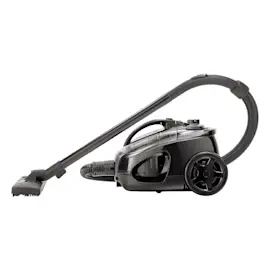
For the Kenmore canister vacuum model 11629429990, the main parts list includes the canister (motor housing), dust bag and bag holder, motor safety filter, hose, wands, and the POWER-MATE floor nozzle (powerhead). Your 11629429990 owner's manual also lists model-specific parts and features.
Common parts you will see on this Kenmore canister vacuum
These are the components most customers replace, clean, or check first:
- Dust bag (a consumable item)
- Bag holder (supports and seals the bag)
- Motor safety filter (behind the dust bag)
- Canister hood/cover (access to bag and filter area)
- Cord rewind bar and power cord/plug holder
- Hose and wands (with wand swivel and cord holder)
- POWER-MATE powerhead/nozzle (floor tool)
POWER-MATE parts (floor nozzle) that are commonly serviced
The manual calls out several POWER-MATE service items that are typical wear parts:
- Belt
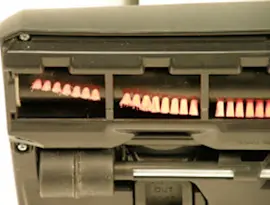
- Brush (brushroll) and brush cleaning/service items
- Headlight bulb and lens (some versions)
- Overload protector (reset button)
- Pile height pedal/indicator (some versions)
| Area | What it does | What to check when performance drops |
|---|---|---|
| Canister (bag/filter) | Creates suction and captures debris | Full bag, clogged motor safety filter, cover not sealed |
| Hose and wands | Air path from floor tool to canister | Blockage, cracked hose, loose wand connection |
| POWER-MATE | Agitates carpet and picks up debris | Worn belt, jammed brush, overload tripped |
Why it matters
Knowing the parts list helps you troubleshoot faster. For example, weak pickup is often a bag/filter airflow issue, while poor carpet cleaning is often a POWER-MATE belt or brush issue.
Last updated: February 2026
What is the very best canister vacuum?
The “best” canister vacuum depends on your floors and priorities (allergies, pets, budget), not one single brand. For most homes, we recommend choosing a model with strong sealed suction, a powered floor nozzle for carpet, and HEPA-level filtration; use the 11629429990 owner's manual to match features and settings to how you clean.
How we define “best” for canister vacuums
A canister vacuum earns “best overall” when it cleans both carpet and hard floors well, stays easy to maneuver, and maintains airflow as the bag or filters load up.
Key features that matter most:
- Powered nozzle (Power-Mate type head) for deep carpet cleaning
- Adjustable pile height so the brushroll can work without bogging down
- Suction control for drapes, rugs, and upholstery
- Clog and bag monitoring (performance indicator light or red-line indicator)
- HEPA filtration (best for allergy and fine dust control)
What to look for based on your home
| Your need | What to prioritize | Why it helps |
|---|---|---|
| Mostly carpet | Powered nozzle + height settings | Better agitation and pickup |
| Mostly hard floors | Suction control + hard-floor tool | Prevents scatter and scratching |
| Pets | Strong airflow + good brush cleaning access | Reduces hair wrap and odor |
| Allergies | Sealed system + HEPA media | Captures fine dust and dander |
Tips that make almost any canister vacuum perform better
These are especially relevant to Kenmore canister designs like model 11629429990:
- Push the powered nozzle straight out and pull straight back using slow, gliding strokes.
- Keep airflow passages open; check for clogs occasionally and unplug before checking.
- Close suction control for best carpet and stair cleaning; open it for drapes and lightweight rugs.
- Change the dust bag often for best cleaning results.
- If the performance indicator shows restricted airflow, check the bag, filters, and hose for blockage.
Why it matters
“Best” is really about maintaining airflow and matching the floor head to the surface. A great canister with the wrong nozzle or a clogged bag will clean worse than a midrange unit that is set up correctly.
Last updated: February 2026
Where is the model number on a Kenmore canister vacuum?
On Kenmore canister vacuum model 11629429990, the model and serial number plate is located on the bottom of the canister (the main housing). Flip the canister over and look for the model/serial label before ordering parts or requesting service; see the 11629429990 owner's manual.
What to look for on the label
The plate typically lists both identifiers you need:
- Model number (example format: 116.29429 or 11629429990)
- Serial number
- Sometimes the manufacturing information and safety markings
- The label is on the canister body, not the wand or Power-Mate nozzle
Quick steps to find it
- Unplug the vacuum.
- Set the canister on a stable surface.
- Carefully tilt or flip the canister to view the underside.
- Locate the model/serial number plate and write both numbers down.
Common label locations (comparison)
| Vacuum area | Is the model/serial plate usually there? | Notes |
|---|---|---|
| Bottom of canister | Yes | Primary location for this Kenmore canister style |
| Under the canister hood/cover | Sometimes | More common for bag and filter access labels |
| Power cord area / cord rewind side | Sometimes | May show electrical ratings, not full model/serial |
| Power-Mate nozzle | No | Nozzle may have its own separate ID label |
Why it matters
We use the exact model number to match the correct Kenmore vacuum parts list (bags, belts, filters, hose, wand, and Power-Mate components). Even small model-number differences can change the fit and electrical connections.
Last updated: February 2026
Who makes Kenmore canister vacuums now?
Kenmore is a brand name used on vacuums made for Sears; the actual manufacturer varies by model and production era. For Kenmore canister vacuum model 11629429990, the most practical way to identify the maker and get correct parts support is to use the model and serial information and follow the documentation in the 11629429990 owner's manual.
How to identify the manufacturer for your Kenmore model
Use the model number and the model/serial plate details; that is what ties your vacuum to the correct parts list and service information.
- Confirm the full model number: 11629429990.
- Locate the model/serial number plate (commonly on the bottom of the canister).
- Record the serial number; it helps date the unit and match revisions.
- Use the model number when ordering bags, belts, filters, or a Power-Mate brush roll.
- Follow the parts and features diagrams and maintenance steps in the 11629429990 owner's manual.
What “Kenmore” means today (for repairs and parts)
Kenmore-branded canister vacuums have been produced by different manufacturers over time. For repairs, the brand matters less than matching the exact model number to the correct bag, filter, and nozzle components.
| What to match | Why it matters | Where to find it |
|---|---|---|
| Model number | Ensures correct fit across versions | Model/serial plate; manual cover pages |
| Bag type | Affects sealing and suction | Manual parts/features section |
| Filters | Protects the motor and controls dust | Manual maintenance section |
Why it matters
Using the correct 11629429990 identification prevents common ordering mistakes (wrong dust bag, belt, or filter) and ensures you follow the right troubleshooting steps for low suction, brush roll issues, or a tripping reset.
Last updated: February 2026