Owner’s manual
 Error Codes


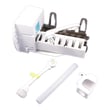
Where is the GE ice Maker reset button?
On the GE GSH22JSZBSS side-by-side refrigerator, the icemaker typically does not have a dedicated “reset” button; instead, you reset it by using the icemaker power switch and cycling power. The icemaker power switch is on the icemaker assembly in the freezer compartment (not on the dispenser control panel).
What to check first on GSH22JSZBSS
- Open the freezer door and locate the icemaker module on the side wall.
- Find the icemaker power switch and confirm it is set to ON.
- Make sure the feeler arm can move freely (nothing blocking it).
- Confirm the refrigerator is connected to a cold water line and the shutoff valve is open.
- Allow time after changes; a newly installed or recently restarted refrigerator can take 12 to 24 hours to begin making ice.
How we recommend “resetting” the GE icemaker
- Slide the icemaker power switch to OFF.
- Wait 30 seconds.
- Slide the switch back to ON.
- Wait for the icemaker to cycle; discard the first few batches of ice to clear the water line.
For model-specific icemaker details and operating notes, use the GSH22JSZBSS owner's manual.
If it still won’t make ice: quick diagnosis
| Symptom | Most likely cause | What to do next |
|---|---|---|
| No ice at all | Water supply issue or icemaker not turned on | Verify shutoff valve open; confirm power switch ON |
| Small cubes or slow production | Freezer too warm or restricted water flow | Set freezer colder; replace filter if flow is weak |
| Buzzing but no ice | Water valve not opening consistently | Test/replace the refrigerator water valve WR57X33326 |
| Ice clumps or jams | Old ice or bin issues | Empty bin; discard old ice; keep feeler arm clear |
Why it matters
Most “reset button” searches come from an icemaker that stopped due to a blocked feeler arm, a closed water valve, or low water flow from a clogged filter. Resetting by cycling the icemaker switch restores normal operation without forcing a harvest cycle.
Last updated: January 2026
Are GE side-by-side refrigerators good?
GE side-by-side refrigerators like model GSH22JSZBSS are a solid choice for everyday use because they typically offer easy organization (adjustable shelves and door bins), convenient ice and water dispensing, and straightforward maintenance. For model-specific features and care guidance, use the GSH22JSZBSS owner’s manual.
What “good” usually means for a side-by-side
A good side-by-side refrigerator balances storage, temperature stability, and convenience features.
- Organization: adjustable shelves and bins help fit tall items and meal prep containers
- Convenience: in-door ice and water dispenser reduces door opening
- Maintenance: routine cleaning and filter changes keep performance consistent
- Noise: normal operating sounds are expected, especially from fans and the ice maker
- Serviceability: common wear items (filters, valves, ice maker parts) are replaceable
Common pros and tradeoffs
Side-by-side designs have strengths and a few compromises compared with French door models.
| Category | Typical advantage | Typical tradeoff |
|---|---|---|
| Fresh food access | Eye-level shelves and bins | Narrower shelf width for large platters |
| Freezer access | Full-height freezer storage | Narrower freezer compartments |
| Dispenser features | Easy ice and water access | More moving parts to maintain |
Maintenance that keeps performance “good”
For GE side-by-side refrigerators, consistent maintenance is what most often separates “works fine” from “works great.”
- Replace the water filter about every 6 months, or sooner if flow slows
- Keep the dispenser area dry to prevent mineral deposits
- Use the correct appliance light bulb type when replacing
- Watch for slow ice production or warm spots that can point to airflow issues
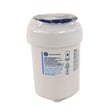
If you need a replacement filter for this model, match it to the GE refrigerator water filter MWFP.
Why it matters
A side-by-side refrigerator is a long-term appliance; good organization, stable cooling, and simple upkeep reduce food waste and help the ice maker and water dispenser stay reliable.
Last updated: January 2026
What is the highest rated side-by-side refrigerator?
The “highest rated” side-by-side refrigerator depends on who is doing the rating and what they value most (temperature stability, ice maker performance, noise, or features). If you already own a GE GSH22JSZBSS, the best move is keeping it running at peak performance using the correct settings and maintenance steps in the GSH22JSZBSS owner's manual.
How to choose the “highest rated” model for your needs
Different reviewers score differently, so we recommend comparing side-by-side refrigerators using the same criteria you care about most:
- Temperature consistency in fresh food and freezer
- Ice and water dispenser reliability
- Noise level and vibration
- Energy use and smart/eco features
- Parts availability and long-term serviceability
Quick comparison: what “top rated” usually means
| If you care most about... | Look for... | Why it matters |
|---|---|---|
| Food staying evenly cold | Stable temps, good airflow | Reduces spoilage and freezer burn |
| Ice and water performance | Strong dispenser flow, dependable ice maker | Fewer clogs, fewer jams |
| Quiet operation | Low vibration, smooth fan/compressor cycling | Better for open kitchens |
| Lower operating cost | Efficient design, energy-saving modes | Saves money over time |
Getting the best performance from your GE GSH22JSZBSS
Even a highly rated refrigerator will disappoint if settings or maintenance are off. For this GE side-by-side, the manual’s startup guidance is to set both controls to “5” and allow time for temperatures to stabilize before making small adjustments.
- Set fresh food and freezer controls to mid-range first
- Wait for temperatures to stabilize before changing settings again
- Keep doors fully closed and avoid blocked vents
- Expect longer run times after loading warm groceries
- Clean and maintain the water filtration system on schedule
If you are comparing filtration performance or need a replacement, use the correct filter for this model, such as the GE refrigerator water filter MWFP.
Why it matters
“Highest rated” is only useful when the rating matches your priorities. For most households, consistent cooling and reliable ice and water delivery matter more than extra features.
Last updated: January 2026
What is the most common problem with GE refrigerators ice maker?
On the GE GSH22JSZBSS, the most common ice maker problem is no ice because the ice maker is not getting water or is being “told” to stop, usually from a blocked feeler arm, a clogged water filter, or a water supply issue. Freezer temperature also drives ice production.
Quick checks we recommend first
- Confirm the ice maker power switch is set to ON.
- Make sure nothing blocks the feeler arm (it stops ice when the bin is full).
- Allow 12 to 24 hours for ice after a new install or after restoring power.
- Throw away the first few batches of ice after connecting water to clear the line.
- Listen for a brief buzzing sound when the ice maker fills with water.
Most common causes and what they look like
| Symptom | Most likely cause | What to do next |
|---|---|---|
| No ice at all | Water supply not reaching ice maker | Check shutoff valve, kinked line, then test inlet valve |
| Small or hollow cubes | Restricted water flow | Replace filter, verify supply pressure |
| Ice clumps or jams | Ice not used often, cubes sticking | Dump bin, clean and dry bucket |
| Ice maker stops randomly | Feeler arm blocked or stuck | Clear bin area, confirm arm moves freely |
Parts that commonly fix “no ice” or weak ice production
If the feeler arm is clear and the freezer is cold but the ice maker still will not fill, these parts are common fixes:
- GE refrigerator water filter MWFP (clogged filter can slow fill and cause small cubes)
- Refrigerator water valve WR57X33326 (failed valve can prevent filling)
- GE refrigerator ice maker kit WR30X10093 (module or mechanism failure)
Why it matters
The ice maker only fills when it is cold enough and has steady water flow. A simple restriction (filter, line, valve) can look like a “bad ice maker” and lead to slow production, hollow cubes, or no ice.
Safety note
Avoid contact with the moving ejector parts and heater in the ice maker while the refrigerator is plugged in.
For model-specific operating details and ice maker settings, use the GSH22JSZBSS owner's manual.
Last updated: January 2026