 Installation guide
 Owner’s manual





What is the most common problem with GE washers?
On GE washers like model GTWN3000M2WS, the most common customer-reported issue is a no-spin or no-agitate condition, often tied to a lid safety problem, a drive system problem, or a drain issue that prevents the washer from reaching high-speed spin. See the GTWN3000M2WS owner's manual for cycle behavior and safety interlocks.
Most common symptoms we see
- Washer fills but will not spin
- Washer agitates weakly or not at all
- Washer drains slowly or not completely
- Washer stops mid-cycle
- Excessive vibration during spin
Quick checks you can do first
- Confirm the lid is closing and latching firmly. A lid safety circuit can stop spin.
- Check draining. If water remains in the tub, many washers will not spin.
- Level the washer and verify a solid floor. A washer on soft flooring can shake and abort spin.
- Verify installation basics: proper standpipe height and no kinked drain hose.
- Avoid extension cords. Use a properly grounded outlet.
Parts commonly involved (when the washer will not spin)
If the basic checks point to a component failure, these are frequent suspects for this GE top-load design:
- Washer lid switch assembly WH12X10334 (lid safety circuit)
- Washer drain pump assembly WH23X10030 (draining problems that block spin)
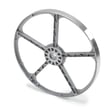
- Drive and tub components (bearing, hub hardware, drive shaft) if you hear grinding, squealing, or the basket will not move freely
Installation factors that can look like a “washer problem”
The installation guide for GTWN3000M2WS calls out several conditions that directly affect spin performance.
| Item | Typical requirement | What happens if it is wrong |
|---|---|---|
| Floor support | Firm, stable surface | Vibration, walking, spin interruption |
| Drain height | Not less than 30 inches | Poor draining, siphoning, spin issues |
| Water pressure | 20 to 150 psi | Slow fill, cycle time problems |
See the GTWN3000M2WS installation guide for the full installation requirements.
Why it matters
A washer that cannot drain, sense a closed lid, or stay stable during spin often will not complete the cycle. Fixing the root cause prevents repeat out-of-balance events, wet loads, and unnecessary wear on the tub, suspension, and drive system.
Last updated: January 2026
Does a GE top load washer have a filter to clean?
GE top-load washers like model GTWN3000M2WS typically do not have a customer-accessible lint filter that you remove and rinse like a dishwasher filter. Instead, we recommend focusing on drain-pump and hose checks, plus routine tub cleaning, and using the GTWN3000M2WS owner's manual for model-specific maintenance guidance.
What you can clean and check on a top-load GE washer
These items act like the “filtering” system on many top-load washers:
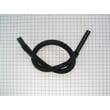
- Drain path: check the drain hose for kinks, clogs, or a crushed section.
- Pump area: if the washer will not drain or drains slowly, debris can be in the pump or hoses.
- Tub and basket: residue buildup can trap lint and cause odors.
- Water-level system: a blocked pressure hose can cause fill and drain issues.
- Load habits: overloading and too much detergent can increase lint and residue.
Quick troubleshooting if you suspect a clog
- Unplug the washer before any inspection.
- Confirm the drain standpipe height is correct; the installation guide specifies the discharge height must not be less than 30 inches and not more than 6 feet above the washer base.
- Inspect the drain hose for a blockage.
- If the washer still will not drain, the drain pump may be restricted or failing; the correct replacement for this model is the washer drain pump assembly WH23X10030.
Common symptoms and what they usually point to
| Symptom | Most common cause | What to check first |
|---|---|---|
| Slow or no drain | Pump or drain hose restriction | Drain hose routing and pump area |
| Lint on clothes | Overloading or detergent residue | Load size, detergent amount, cycle choice |
| Musty odor | Residue and moisture left behind | Tub cleaning routine, lid left open |
| Won’t spin with lid closed | Lid switch issue | Lid switch operation |
Why it matters
On a top-load washer, “no filter to clean” usually means lint and debris end up in the drain path or stick to residue inside the tub. Keeping the tub clean and the drain system clear helps prevent drain failures, odors, and poor wash results.
For diagnostic help when the washer displays a fault or behaves oddly, use GE top load washer error codes.
Last updated: January 2026
What is the life expectancy of a GE washing machine?
A GE top-load washer like model GTWN3000M2WS typically lasts 10 to 14 years with normal household use. Consistent maintenance, correct installation (level, proper drain height, correct water pressure), and avoiding chronic overloads are the biggest factors that push lifespan toward the high end.
Typical lifespan and what changes it
Most washers wear out from vibration, water leaks, and drive-system strain. These factors usually decide whether you see closer to 10 years or closer to 14 years.
- Load size and balance: frequent overloading or unbalanced loads shorten life
- Installation quality: a solid, level floor reduces spin-cycle stress
- Water conditions: very hard water and heavy detergent use can increase residue and wear
- Leak prevention: catching small leaks early prevents bearing and tub damage
- Usage rate: multiple loads per day reduces overall service life
Installation specs that protect longevity (GTWN3000M2WS)
Your installation setup matters because it directly affects vibration, draining, and component stress. The installation instructions for this washer specify:
| Item | Recommended/required range | Why it matters |
|---|---|---|
| Water pressure | 20 to 150 psi | Low pressure can cause fill issues; high pressure can stress valves |
| Drain discharge height | 30 inches minimum; 6 feet maximum | Prevents siphoning and drain pump strain |
| Floor | Firm flooring (concrete best) | Reduces vibration and suspension wear |
For the exact requirements and setup steps, use the GTWN3000M2WS installation guide.
Parts that commonly affect “end of life” symptoms
If the washer is noisy, leaking, or shaking hard, these are common wear areas that can determine whether repair is worthwhile:
- Tub bearing WH2X1198 (roaring/grinding in spin)
- Washer tub seal WH02X10383 (leaks that can lead to bearing damage)
- Washer suspension rod and spring assembly WH16X10057 (excessive vibration or banging)
Why it matters
Knowing the typical 10 to 14 year lifespan helps you decide when to maintain versus repair. A simple leveling correction or early leak fix can prevent expensive damage to the tub, bearing, and drive components.
Last updated: January 2026


