


Are front tine tillers good?
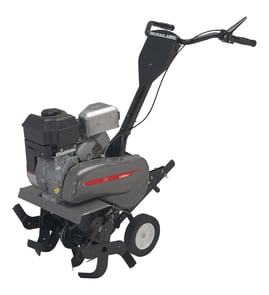
Yes. A front-tine tiller like the MTD 210-240 is a good choice when you want a lighter, easier-to-handle machine for routine garden work such as loosening already-worked soil and cultivating between rows; it is typically less ideal for breaking brand-new, hard-packed ground.
What front-tine tillers do best
- Loosen and mix soil that has already been turned or amended
- Cultivate between garden rows for weed control
- Work in tighter spaces where a larger rear-tine tiller is hard to maneuver
- Handle lighter-duty seasonal tasks with less weight to push around
When a different style is usually better
Front-tine tillers pull themselves forward with the tines, but they can bounce or struggle in very hard soil.
| Job type | Front-tine tiller (like MTD 210-240) | Rear-tine tiller (typical) |
|---|---|---|
| Existing garden beds | Very good | Very good |
| Weeding between rows | Excellent | Fair to good |
| New ground, heavy clay, sod | Fair | Best |
| Large areas, long runs | Good | Best |
Quick buying and setup checks
- Confirm tine condition; worn or bent tines reduce digging performance
- Check belt and clutch operation; slipping reduces tine speed under load
- Verify wheels and depth stake adjustment so the tiller tracks straight
- Keep fasteners tight; vibration can loosen hardware over time
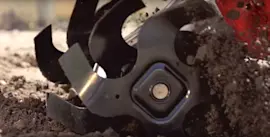
If you need to restore digging performance on the MTD 210-240, replacing worn tines is one of the most effective fixes; see the tiller tine assembly 642-0003-0637 as an example of a common wear item.
Why it matters
Matching the tiller style to your soil and workload saves time and prevents frustration. Front-tine tillers shine for maintenance cultivation and smaller gardens, while heavier rear-tine machines are built for tougher, first-pass ground breaking.
Last updated: January 2026
Can a front tine tiller break new ground?
Yes, an MTD front-tine tiller like model 210-240 can break new ground, but it is slower and more physically demanding than using a rear-tine tiller. In hard, grassy, or compacted soil, a front-tine unit commonly rides up and “skips” until the tines can bite.
Best way to break new ground with a front-tine tiller
- Mow the area as low as possible and remove rocks, wire, and roots.
- Water lightly the day before; soil should be damp, not muddy.
- Make shallow passes first (about 1 to 2 inches), then deepen gradually.
- Work in overlapping passes; change direction (cross-till) on the second round.
- Let the tiller do the work; forcing it increases bouncing and wear.
- Stop and clear wrapped grass from the tines as needed.
Quick expectations: front-tine vs rear-tine
| Task | Front-tine tiller (like 210-240) | Rear-tine tiller |
|---|---|---|
| Breaking sod/new ground | Possible, usually multiple passes | Best choice, faster |
| Control in hard soil | More pull and bounce | More stable, self-propelled feel |
| Best use | Existing beds, lighter soil | New gardens, clay, heavy sod |
Parts that take the most abuse in new ground
Breaking sod is tough on wear parts and hardware. If you notice poor digging, vibration, or uneven tilling, inspect these areas first:
- Tines for bending, heavy rounding, or missing hardware
- Tine mounting points and fasteners for looseness
- Drive and engagement components for slipping or inconsistent tine speed
A common wear item to check is the tiller tine assembly 642-0003-0637.
Why it matters
Trying to break new ground too deep, too fast can cause excessive bouncing, poor soil breakup, and accelerated wear on tines and drive components. Shallow, repeated passes protect the machine and produce a better seedbed.
Last updated: January 2026
What size garden needs a front tine tiller?
A front-tine tiller like the MTD 210-240 is the right choice for small-to-medium gardens; it’s ideal for loosening already worked soil, prepping seed beds, and cultivating between rows. Most owners use a front-tine tiller for gardens up to about 5,000 square feet.
Quick sizing guide
- Under 1,000 sq. ft.: front-tine tiller is usually plenty
- 1,000 to 5,000 sq. ft.: front-tine tiller is a strong fit for seasonal bed prep and weeding
- Over 5,000 sq. ft.: many gardeners step up to a larger rear-tine unit for faster, deeper work
- Hard, never-tilled ground: expect slower progress and multiple passes with a front-tine tiller
- Tight spaces and raised beds: front-tine tillers are easier to maneuver
What affects the “right” garden size
Front-tine tillers work best when the job matches the machine’s traction and tine bite. These factors matter most:
- Soil condition (pre-worked vs. compacted)
- Tilling depth needed (shallow cultivation vs. deeper initial breaking)
- How often you till (weekly cultivation vs. once-per-season)
- Obstacles (trees, edging, irrigation lines)
- Tine condition (worn tines reduce digging and increase bouncing)
Parts that make a big difference in performance
If the tiller is skipping, bouncing, or leaving clods, worn or bent tines are a common cause. For this model, check the tiller tine assembly 642-0003-0637 for damage and excessive wear.
| Symptom | Common cause | What to check first |
|---|---|---|
| Tiller “walks” on top of soil | Tines worn or installed incorrectly | Tine edges and orientation |
| Uneven tilling | Bent tine or missing hardware | Tines, fasteners, cotter pins |
| Poor digging in hard soil | Soil too dry or compacted | Moisture level, multiple passes |
Why it matters
Choosing the right tiller size saves time and reduces strain on the drive system, pulleys, and clutch cable. A front-tine tiller is built for control and cultivation, not for quickly breaking large areas of virgin ground.
Last updated: January 2026
What tiller is made in the USA?
Some tillers are made in the USA; Mantis tillers are commonly identified as designed, engineered, and manufactured in the United States. If you are shopping parts for an MTD front-tine tiller model 210-240, the most reliable way to confirm origin is to check the product ID plate and compare it to the brand’s published manufacturing details.
How to confirm where a tiller is made
We recommend using these quick checks before you buy parts or a replacement unit:
- Look for a “Made in …” statement on the engine shroud, frame tag, or handlebar decal
- Record the full model number and serial number from the ID plate
- Check the carton label (new units often list country of origin)
- Verify the brand and model on the retailer listing and the manufacturer’s specs
- If the tiller is older, check for a stamped tag on the transmission/gear case housing
What this means for your MTD 210-240 parts
Country of origin does not change routine wear items, but it can affect parts sourcing and hardware standards. For the MTD 210-240 front-tine tiller, focus on matching the exact part and fastener style already on your machine.
Common parts customers replace include:
- Tines and tine assemblies
- Wheels and wheel hardware
- Clutch cable and pulleys
- Handle hardware and brackets
Quick parts examples for this model
| Part type | Example part for MTD 210-240 | What it helps with |
|---|---|---|
| Tines | Tiller tine assembly 642-0003-0637 | Restores digging performance when tines are bent or worn |
| Clutch control | Yard machines tiller clutch cable 946-04663 | Fixes poor engagement or slack at the handle |
| Wheel | Craftsman tiller wheel assembly, 6 x 1-1/2-in 734-031322 | Improves traction and transport control |
Why it matters
“Made in the USA” is a buying preference for many customers, but for repairs the key is always correct fit: matching the MTD 210-240 model and using the right tine, cable, pulley, or hardware keeps the tiller safe and performing as designed.
Last updated: January 2026