Owner’s manual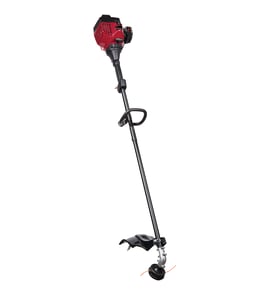



Why does my Craftsman trimmer die when I give gas?
When your Craftsman gas trimmer model 316731971 dies as you squeeze the throttle, it is usually losing the correct air-fuel mix under load. The most common causes are a dirty air filter, stale fuel, or a spark plug that misfires when RPM increases; start with basic maintenance checks from the 316731971 owner's manual.
Quick checks that fix most “dies when I give it gas” problems
- Clean and re-oil the air filter; a restricted filter can make the engine run overly rich and stall when you open the throttle.
- Use fresh fuel (and the correct mix if your unit is 2-cycle); old fuel can cause bogging and stalling.
- Prime and choke correctly; the manual calls for pressing and releasing the primer bulb 10 times before starting.
- Let it warm up at idle for 30 to 60 seconds, then apply throttle gradually.
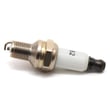
- Inspect the spark plug for carbon fouling and correct gap; replace if worn.
Parts that commonly solve the issue
If maintenance points to a worn or restricted part, these are common fixes for the 316731971:
| Symptom when throttling | Most likely cause | What to do |
|---|---|---|
| Starts, then stalls as you accelerate | Air restriction | Service or replace the air filter (example: mtd line trimmer air filter 751-12833) |
| Runs rough, misses, or won’t take throttle | Ignition misfire | Replace the spark plug (example: spark plug 794-00082) |
| Idles but dies under load, fuel smell | Fuel delivery/carb issue | Check fuel lines, primer, then consider carburetor service |
Why it matters
A trimmer that stalls on throttle is telling you it cannot keep combustion stable as airflow and fuel demand increase. Fixing the air filter, spark plug, and fuel quality first prevents repeated hard-starting, plug fouling, and overheating.
Safety note
Keep hands and clothing away from the cutting head and line cutting blade; parts can stay hot briefly after shutdown.
Last updated: February 2026
Which is better, .080 or .095 trimmer line?
For the Craftsman 316731971 gas trimmer, .095 line is better for durability and cutting thicker weeds, while .080 line is better for lighter trimming and cleaner edging. Your best choice depends on what you cut most often; the trimmer is designed to use the line type specified in the 316731971 owner's manual.
Quick pick guide
- Choose .080 for light grass, routine edging, and less drag on the engine
- Choose .095 for heavier weeds, fence-line growth, and longer wear
- If your line keeps snapping, step up in thickness and reduce how hard you push into stems
- If the head bogs down or the engine struggles, step down in thickness and shorten the line length
- Never use wire, chain, rope, or metal-reinforced line (it can break off and cause injury)
How this model’s cutting head affects the choice
The 316731971 uses a Hassle Free head and is intended for the trimming line listed in the specifications. Using the correct style and size helps prevent overheating and premature failure of the cutting head.
.080 vs .095 at a glance
| Feature | .080 line | .095 line |
|---|---|---|
| Best for | Grass, small weeds, edging | Larger weeds, light brush |
| Durability | Medium | Higher |
| Cut aggressiveness | Lighter | Stronger |
| Engine load | Lower | Higher |
Why it matters
Line diameter changes how hard the engine has to work and how cleanly the head cuts. Too light a line breaks more often; too heavy a line can reduce RPM and trimming performance, especially if you force the head into thick vegetation.
Tips to make any line last longer
- Keep the cutting head a few inches above the ground (avoid scalping)
- Cut left to right when possible and tilt the head slightly to direct clippings away
- Avoid trimming wet grass and weeds
- Do not force the line into walls, posts, or fencing
- Replace worn line before it gets too short to cut efficiently
Last updated: February 2026
What is the lifespan of a line trimmer?
A gas line trimmer like the Craftsman 316731971 typically lasts 8 to 12 years with normal homeowner use and routine maintenance. In heavy, frequent use (contractor-level), lifespan is best measured in run-time and commonly lands around 900 to 1,200+ hours when cared for properly.
What affects lifespan the most
- Fuel quality and storage: fresh fuel and proper off-season storage prevent carburetor issues.
- Air filtration: a clean air filter protects the engine from dust wear.
- Ignition health: a correctly gapped spark plug helps easy starting and clean combustion.
- Cooling and cutting load: forcing the line into fences, walls, or thick brush increases heat and strain.
- Routine service: oil changes and periodic checks keep internal parts from wearing early.
Maintenance checkpoints we recommend
Use the schedule and specs in the 316731971 owner’s manual as your baseline. These are the most common, high-impact items to stay ahead of:
- Check and set spark plug gap to 0.025 in. (0.635 mm)
- Inspect and replace the air filter when dirty or damaged
- Change engine oil on schedule (the manual lists SAE 30 oil and a 2.03 oz. (60 ml) capacity)
- Replace trimming line with the correct type and avoid metal-reinforced line
- Keep the cutting head a few inches above the ground to reduce impacts and overload
Quick reference: homeowner use vs. heavy use
| Use pattern | Typical lifespan | What usually ends it first |
|---|---|---|
| Homeowner, seasonal | 8 to 12 years | Fuel system varnish, neglected filter, wear items |
| Heavy, frequent use | 900 to 1,200+ hours | Clutch/drive wear, overheating, engine wear |
Parts that commonly extend service life
If performance drops (hard starting, weak power, stalling), these tune-up parts are often the first place we look:
- Spark plug 9054 (fast, inexpensive ignition refresh)
Why it matters
A trimmer’s engine and drive components wear fastest when it runs lean from restricted airflow, burns stale fuel, or is overloaded by thick vegetation. Staying on top of basic service keeps the Craftsman 316731971 cutting consistently and helps you avoid bigger repairs.
Last updated: February 2026
What string does a Craftsman 316731971 use?
For the Craftsman gas trimmer model 316731971, use the trimming line type and diameter listed in the Specifications section; using the specified line prevents overheating and poor cutting performance. We also recommend following the line-loading steps in the 316731971 operator's manual.
What line to buy (what matters most)
When you shop for replacement trimmer line, match these items first:
- Line diameter (this is the key spec)
- Line type (round, spiral, etc.)
- Cutting conditions (grass vs. heavier weeds)
- Correct loading method for your cutting head
The manual also notes that only the line described in Specifications should be used; other line types can cause the unit to overheat or fail.
Line type guidance for common trimming jobs
The manual calls out Craftsman Hassle Free XTRA QUIET Spiral Line options by job size:
- Medium-duty (grass, small weeds): medium-sized (red) spiral line
- Heavier weeds, light brush: large-sized (black) spiral line
- Avoid: metal-reinforced line, wire, chain, or rope (unsafe and can damage the trimmer)
How to replace the trimming line (quick steps)
These steps match the manual’s “Replacing the trimming line” procedure:
- Remove the old line from the cutting head
- Wipe the cutting head clean with a cloth
- Insert both line ends through the large circular holes in the side of the cutting head
- Push until both ends protrude from the positioning tunnels
- Pull both ends evenly so the line is tight and equal length
Quick reference table
| Need | What to match | Result |
|---|---|---|
| Correct fit | Line diameter from Specifications | Proper feed and cutting |
| Best performance | Line type suited to grass vs. weeds | Cleaner cut, less bogging |
| Safe operation | Non-metal line only | Reduces break-off hazards |
Why it matters
Using the correct trimmer line on a 4-cycle Craftsman trimmer helps the engine maintain RPM, reduces vibration, and prevents overheating of the cutting head and driveline components.
Last updated: February 2026
Do trimmer plus attachments work with Craftsman?
Yes. The Craftsman gas trimmer model 316731971 uses a coupler-style attachment connection, so TrimmerPlus-style attachments work when the attachment shaft slides into the coupler and the release button snaps into the correct hole as described in the 316731971 operator's manual.
How to confirm the attachment will fit
Use these quick checks before you buy or install an attachment:
- Your trimmer has a coupler with a tightening knob (not a fixed, one-piece shaft)
- The attachment has a release button on the shaft
- The attachment shaft slides in straight and seats fully
- The release button snaps firmly into the primary hole
- The coupler knob tightens securely by hand (do not force it)
Correct installation basics (coupler connection)
Our recommended install sequence matches the manual:
- Loosen the coupler knob.
- Align the attachment release button with the guide recess.
- Push the attachment in until the button snaps into the primary hole.
- Tighten the coupler knob.
Primary hole vs 90° hole
| Coupler hole | What it’s for | When to use it |
|---|---|---|
| Primary hole | Normal operation | Most attachments and most trimming |
| 90° hole | Rotated trimming position | Decorative trimming with a string trimmer attachment only |
Why it matters
If the release button is not fully snapped into the correct hole, the attachment can wobble, slip, or damage the coupler. A secure coupler connection also helps reduce vibration and improves cutting control.
Last updated: February 2026
Where can I find the CRAFTSMAN trimmer model number?
On the Craftsman gas trimmer model 316731971, the model number is printed on the product identification label. We typically see this label on the engine housing (near the motor), on the trimmer shaft, or on the underside of the unit. Confirm the exact location in the 316731971 operator’s manual.
Common label locations to check
- Engine housing/shroud: look on the side or rear of the motor cover
- Trimmer shaft: check the upper shaft area near the handle or clamp
- Underside of the unit: tilt the trimmer safely and look for a sticker or stamped plate
- Near the starter housing: around the recoil starter area
- Near the fuel tank: on or near the tank mounting area
Quick tips to spot the label faster
- Wipe dirt and grass off with a dry rag; labels get hidden by debris and oil film
- Use a flashlight and look at a low angle; embossed numbers can be hard to see
- Check for both formats: 316.731971 (with a dot) and 316731971 (no dot)
- If the label is worn, take a close-up photo and zoom in to read faint print
What the model number helps you match
Using the correct model number ensures we match the right parts and diagrams for your trimmer.
| You’re looking for | Example you might see | Why it matters |
|---|---|---|
| Model number | 316.731971 or 316731971 | Identifies the exact Craftsman trimmer version |
| Part number | 753-05784 | Identifies a specific replacement part |
| Part name | Spark plug | Confirms the part’s function and fit |
Why it matters
Craftsman trimmers often have similar-looking housings and shafts across multiple model families. The exact model number prevents ordering the wrong air filter, carburetor, or drive shaft components.
Last updated: February 2026
How to replace line on Craftsman gas trimmer?
On the Craftsman gas trimmer model 316731971, you replace the trimming line by feeding a new piece of line through the cutting head’s large side holes, pulling both ends to equal length, then trimming so about 5 inches extends from each side. For exact line type and safety steps, use the 316731971 owner's manual.
Before you start (safety and setup)
- Shut the engine off and let hot parts cool.
- Keep bystanders at least 50 feet away when you test-run the trimmer.
- Wear eye protection and gloves; avoid the line cutting blade area.
- Use only the trimming line type listed in the Specifications section (never wire, chain, rope, or metal-reinforced line).
- Inspect the head and guards; replace cracked or damaged parts before operating.
Steps to replace the trimming line
- Remove the old line from the cutting head.
- Wipe the cutting head clean with a cloth.
- Insert both ends of the new line through the large circular holes on the side of the cutting head.
- Push the line through until both ends come out of the positioning tunnels.
- Pull both ends until the line is snug against the head and the ends are equal length.
- Trim or adjust so roughly 5 in. of line remains on each side.
Quick checks if the line will not feed or winds wrong
- Make sure you are feeding through the correct large side holes (not forcing it into smaller passages).
- Keep both ends even; uneven lengths can cause vibration and poor cutting.
- If your head uses a bump knob for winding, do not press the knob while turning.
Line selection guide (typical use)
| Line type | Best for | Notes |
|---|---|---|
| Medium (often red spiral line) | Grass, small weeds | Smooth cutting, less load on engine |
| Large (often black spiral line) | Larger weeds, light brush | More cutting power, more engine load |
Why it matters
Correct line type and equal-length ends help prevent overheating, reduce vibration, and keep the cutting head working efficiently while lowering the risk of thrown debris.
Last updated: February 2026
What is better, a 2 cycle or 4 cycle string trimmer?
For the Craftsman 316731971, you are using a 4-cycle gas trimmer; 4-cycle models run on straight gas and use crankcase oil, which many owners prefer for simpler fueling and typically quieter operation. A 2-cycle trimmer is usually lighter for the power and can feel more responsive for heavy trimming.
Quick comparison: 2-cycle vs 4-cycle
| Feature | 2-cycle (2-stroke) | 4-cycle (4-stroke, like model 316731971) |
|---|---|---|
| Fueling | Gas mixed with 2-cycle oil | Straight gas plus engine oil |
| Power-to-weight | Typically higher | Typically lower |
| Maintenance focus | Mix ratio, exhaust screen, carb tuning | Oil level/changes, valve clearance checks |
| Feel in use | Snappy acceleration | Smooth, steady power |
What “better” means for most owners
A 2-cycle string trimmer is usually the better pick when you want maximum power in the lightest package for thick weeds and longer sessions. A 4-cycle is usually the better pick when you want easier fueling (no mixing) and more car-like engine maintenance.
What matters specifically on the Craftsman 316731971 (4-cycle)
From the specifications in the 316731971 operator’s manual, this trimmer is a 30 cc air-cooled 4-cycle unit that uses SAE 30 oil and has a 14-inch cutting path. To keep it running strong, we recommend:
- Check oil level before each use; top off with SAE 30 as needed
- Change oil on schedule (fresh oil prevents hard starting and low power)
- Keep the air filter clean; a restricted filter causes bogging and poor acceleration
- Inspect and gap the spark plug; replace if fouled or worn
- Use the specified trimming line; incorrect line can overheat the unit
Why it matters
Choosing 2-cycle vs 4-cycle affects daily ownership more than raw cutting ability: fueling routine, weight in your hands, and the maintenance you will actually keep up with. If you already own the 316731971, staying on top of oil, air, and ignition maintenance delivers the biggest real-world performance gains.
Last updated: February 2026
What is the difference between a whipper, snipper, and a line trimmer?
A whipper snipper, snipper, and line trimmer are typically the same tool: a handheld trimmer that cuts grass and weeds with fast-spinning nylon line. For your Craftsman gas trimmer model 316731971, the cutting system is a line-based trimmer head, not a metal blade setup (use the 316731971 owner's manual for the exact approved cutting attachments).
What each name usually means
These terms vary by region and brand, but they generally refer to the same category of tool.
- Line trimmer (string trimmer): Standard term; uses nylon trimmer line to cut.
- Whipper snipper: Common nickname (especially outside the US); usually still a nylon line trimmer.
- Snipper: Another informal name; typically the same as a line trimmer.
Line vs blade: the real functional difference
Some trimmers can accept different cutting heads. Your model is designed around a line head, and the manual warns against unsafe line types.
| Cutting setup | What it uses | Best for | Key note |
|---|---|---|---|
| Line trimmer head | Nylon line (example: 0.025 in.) | Grass, light weeds | Safer around fences and edging |
| Brush cutter blade (on blade-capable units) | Metal blade | Thick weeds, brush | Requires a blade-rated unit and guard |
What we recommend for Craftsman 316731971
Follow the specifications and safety guidance in the manual, especially for line type and diameter.
- Use only the trimming line type and size listed in the specifications.
- Never use metal-reinforced line, wire, chain, or rope.
- Keep the cutting head a few inches above the ground for best results.
- Avoid trimming wet grass to reduce line breakage and clumping.
Why it matters
Using the correct trimming line and approved cutting setup helps prevent overheating, poor cutting performance, and safety hazards. It also protects key components like the drive shaft, gearbox, and cutting head from damage.
Last updated: February 2026
How to replace trimmer head on Craftsman Weedwacker?
On the Craftsman gas trimmer model 316731971, replacing the trimmer head typically means removing the cutting head, installing the correct replacement head, and then reloading trimming line. We recommend following the exact head-removal steps and line specs in the 316731971 operator’s manual.
Before you start (safety and setup)
- Shut the engine off and let it cool completely.
- Disconnect the spark plug boot so the trimmer cannot start accidentally.
- Wear gloves and eye protection.
- Work on a flat surface; keep small washers and spacers together.
- Never install rigid or metal blades on this unit.
Basic trimmer head replacement steps
- Lock the head: Align the locking holes/slots and insert a screwdriver or locking pin to keep the head from turning.
- Remove the head: Turn the head off the shaft (most heads loosen by turning counterclockwise, but confirm for your exact head style in the manual).
- Avoid cross-threading: Start the new head by hand, turning slowly until it threads smoothly.
- Tighten securely: Hand-tighten firmly; then remove the locking pin.
- Reload line (if your head uses line): Use only the line type and diameter listed in the manual.
Reloading line (common on this model)
The manual’s “Replacing the trimming line” procedure uses the side holes in the cutting head:
- Remove old line and clean the cutting head.
- Insert both ends of new line through the large circular holes.
- Feed until both ends come out evenly.
- Pull both ends tight so they seat in the positioning tunnels.
Quick troubleshooting after replacement
| Symptom | Most likely cause | What to do |
|---|---|---|
| Head won’t thread on | Cross-threaded or dirty threads | Clean threads; restart by hand |
| Excess vibration | Missing washer/spacer or loose head | Recheck hardware; retighten |
| Line won’t feed | Wrong line size or incorrect routing | Reroute line; use correct spec |
Why it matters
A properly installed head and correct trimming line reduce vibration, protect the drive system, and help prevent overheating or premature failure.
Last updated: February 2026