Owner’s manual
 Error Codes


What is the most common problem with Samsung washing machines?
The most common issue we see with Samsung washers like model WA45H7000AW is poor spinning or not finishing the spin cycle, which leaves clothes wet. The usual causes are an unbalanced load, excessive vibration from improper leveling, or a drain problem that prevents the washer from draining well during spin (see the owner's manual).
What to check first (fast, no-parts steps)
- Redistribute the load; wash bulky items with a few smaller items to balance the tub.
- Confirm the washer is stable; it should not rock or vibrate excessively during fill, wash, or spin.
- Re-level the washer if it shakes; leveling issues commonly trigger out-of-balance behavior.
- Check the drain path: kinked hose, slow standpipe, or a restriction can stop a full spin.
- Run Calibration Mode after leveling or moving the washer to improve load sensing accuracy.
Common symptoms and the most likely causes
| Symptom | Most likely cause | What to do next |
|---|---|---|
| Clothes still wet after cycle | Unbalanced load or vibration | Re-level, reduce overloading, run Calibration Mode |
| Loud banging or walking | Suspension not controlling tub movement | Inspect suspension rods; replace if weak |
| Won’t drain or drains slowly | Drain restriction or failing pump | Check coin trap and hose; test pump |
| Stops mid-cycle with water in tub | Drain problem | Clear restriction; consider pump replacement |
When a part is usually involved
If basic balancing and leveling do not fix the problem, these parts are common next checks for WA45H7000AW:
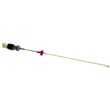
- Samsung washer suspension rod DC97-05280W if the tub bounces excessively
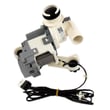
- Washer drain pump assembly dc97-19289f if the washer will not drain well during spin
- Washer pump coin trap DC61-03385A if debris is blocking the drain system
Why it matters
A washer that cannot drain well or that vibrates excessively often cannot reach full spin speed. That means wetter clothes, longer dry times, and more wear on the tub support and drive components.
Last updated: February 2026
What is the life expectancy of a Samsung washing machine?
Most Samsung washing machines typically last 10 to 14 years with normal household use and basic maintenance. For your Samsung WA45H7000AW top-load washer, keeping it level, avoiding overloads, and addressing drain or balance issues early helps you reach that expected lifespan; see the owner's manual for model-specific care and specs.
Typical lifespan and what affects it
A washer’s service life depends more on use and care than the brand badge.
- Load size and frequency (daily heavy loads shorten life)
- Proper leveling and stable flooring (reduces vibration wear)
- Water quality and inlet screen cleanliness
- Drain system health (clogs strain the pump)
- Using the right detergent amount (less residue, fewer odors)
Quick maintenance that extends washer life
These habits reduce stress on the motor, suspension, and tub.
- Do not overload; keep bulky items balanced around the washplate
- Run periodic tub-clean cycles and wipe the lid and rim dry
- Check pockets to prevent coins and debris from reaching the drain path
- Verify the washer stays level; adjust feet if it starts walking
- Fix slow-drain symptoms promptly to protect the pump
Common wear areas to watch (and why)
If you catch these early, you often prevent bigger failures.
| Symptom | Likely system involved | What to check first |
|---|---|---|
| Won’t drain or drains slowly | Drain pump, hose, trap | Clear obstructions; inspect the drain path |
| Excessive shaking or banging | Suspension/leveling | Leveling legs; suspension condition |
| Won’t fill or fills slowly | Water inlet valve | Hose kinks; inlet screens |
If you’re troubleshooting a drain problem, the washer drain pump assembly dc97-19289f is a common replacement part for this model family.
Why it matters
A washer that is out of level, overloaded, or forced to drain through a restriction wears out high-cost components faster (pump, suspension, drive system). Small adjustments and routine cleaning help you avoid premature breakdowns and keep wash performance consistent.
Last updated: February 2026
Is the Samsung 4.5 front load washer any good?
The Samsung WA45H7000AW is a 4.5 cu. ft. top load washer; it is a strong choice for family laundry because it handles bulky loads well and delivers solid cleaning when it is leveled correctly and you avoid overloading. For cycle details and care routines, use the WA45H7000AW owner's manual.
What “good” looks like on this model
We judge performance on cleaning results, spin stability, and day-to-day usability.
- Large capacity for towels, bedding, and mixed loads
- Best spin performance when the cabinet is level and the floor is solid
- Better fabric results when you match cycle, soil level, and water temperature
- Fewer odor issues when you leave the lid open between loads and keep the tub clean
Common issues people notice and what fixes them
Most complaints come from setup, loading habits, or a restriction in fill or drain.
- Vibration or walking: level the washer, tighten the locknuts on the legs, rebalance the load
- Out-of-balance (DC/UB-type behavior): wash bulky items one at a time, avoid mixing heavy and light items
- Slow fill or no fill: confirm both faucets are fully open, clean inlet screens
- Slow drain or no drain: check the drain hose for kinks, then inspect the pump area for debris
Quick symptom guide
| Symptom | Most common cause | First action |
|---|---|---|
| Shaking at spin | Unlevel cabinet or unbalanced load | Level legs, redistribute load |
| Won’t fill | Closed faucet or clogged inlet screen | Open faucets, clean screens |
| Won’t drain | Kinked hose or pump restriction | Check hose routing, clear blockage |
When a part replacement makes the difference
If troubleshooting points to a failed component, these are common fixes for WA45H7000AW.
- Drain problems: washer drain pump assembly DC97-17366J
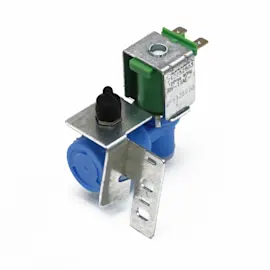
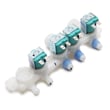
- Fill problems: Samsung washer water inlet valve DC97-15459H
- Excessive shaking: Samsung washer suspension rod DC97-05280W
Why it matters
A washer can seem “bad” even when it is operating normally; leveling, load balance, and routine cleaning have the biggest impact on noise, vibration, and odor.
Last updated: February 2026