


What is the average lifespan of a Goodman AC unit?
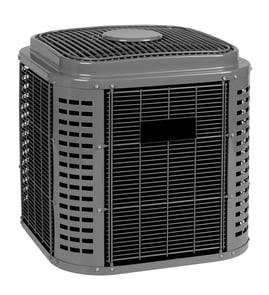
A Goodman central air conditioner or heat pump like model PH024-1 typically lasts 12 to 15 years. With consistent maintenance (clean coils, correct airflow, and solid electrical components), it commonly reaches the upper end of that range.
Most central AC and heat pump systems fall into these practical ranges:
- 12 to 15 years: typical service life for many Goodman systems
- 15 to 20 years: achievable with strong maintenance and correct sizing/installation
- Under 10 years: usually tied to poor airflow, electrical issues, corrosion, or neglected upkeep
| Condition | What you’ll usually see | Expected lifespan |
|---|---|---|
| Normal use + basic maintenance | Stable cooling, fewer breakdowns | 12 to 15 years |
| Excellent maintenance + clean environment | Better efficiency, fewer major repairs | 15 to 20 years |
| Neglect or harsh conditions | Higher bills, frequent service calls | Under 10 to 12 years |
These are the most common lifespan killers for a central air conditioner or electric heat pump:
- Dirty coils and restricted airflow (overheats the system and stresses the compressor)
- Incorrect refrigerant charge (low or overcharged)
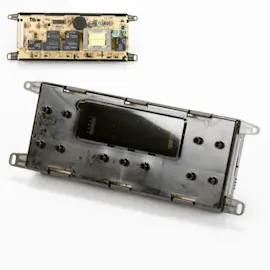
- Electrical wear (weak capacitors, failing control board, transformer issues)
- Outdoor fan problems (worn fan blade or motor leading to overheating)
- Corrosion from coastal air, lawn chemicals, or constant standing water around the unit
If you’re troubleshooting electrical symptoms (hard starts, humming, fan not spinning), common wear parts to check include the capacitor CAP150000370VAP and the board ICM318.
We recommend these habits to keep a Goodman PH024-1 running longer:
- Replace or clean the indoor air filter regularly (monthly during heavy use is common)
- Keep the outdoor coil clean and the cabinet clear of leaves and grass
- Maintain 2 feet of clearance around the outdoor unit for airflow
- Schedule seasonal checkups (cooling season and heating season for heat pumps)
- Tighten and inspect electrical connections; test run capacitors when performance changes
Once a system gets past its prime, efficiency usually drops and repairs become more frequent. Extending lifespan by even 2 to 3 years can reduce total cost of ownership by delaying major repairs and replacement.
Last updated: February 2026
What is the most expensive part to replace on an AC unit?
On most central AC and heat pump systems (including the Goodman PH024-1), the compressor is typically the most expensive single component to replace because it is labor-intensive and tied to the sealed refrigerant system. If the compressor fails, many homeowners compare repair cost versus full unit replacement.
- Compressor: Highest part cost plus refrigerant recovery, evacuation, and recharge labor.
- Outdoor coil (condenser coil): Expensive part and significant labor; often replaced when badly corroded or leaking.
- Major control boards (in some systems): Can be costly, especially on advanced equipment.
- Blower motor (air handler): Not usually as expensive as a compressor, but it can be a high-ticket repair.
| Component | Where it is | Why it gets expensive | Typical decision point |
|---|---|---|---|
| Compressor | Outdoor unit | Sealed-system labor and refrigerant work | Repair vs replace, especially on older systems |
| Outdoor coil | Outdoor unit | Large part, leak-related labor | If coil is leaking or heavily damaged |
| Blower motor | Indoor air handler | Motor cost plus access time | If airflow is weak or motor is noisy |
| Control board | Indoor or outdoor | Diagnostics plus electronics cost | If unit is dead or behaving erratically |
Even when the compressor is the top expense, these Goodman PH024-1 related parts can be meaningful repair costs and are often replaced during troubleshooting:
- Evaporator motor B13400312S (air handler blower motor)
- Board ICM318 (control board)
- Central air conditioner condenser fan blade B1086756S (outdoor fan blade)
- Capacitor CAP150000370VAP (run capacitor)
The most expensive repairs are usually the ones that involve sealed-system refrigerant work or major motors. Knowing that helps you prioritize diagnostics, confirm the failure, and avoid replacing “guess parts” like capacitors or boards unnecessarily.
Last updated: February 2026
How many square feet will a 2.5 ton AC unit cool?
A 2.5-ton system (about 30,000 BTU/hr) typically cools around 1,200 to 1,500 square feet in average conditions. For a Goodman PH024-1 heat pump, the real coverage depends on your climate zone, insulation, windows, ceiling height, and ductwork condition.
In real homes, “square feet per ton” varies a lot. Use these ranges as a practical starting point:
- Hot, humid climates: ~1,000 to 1,300 sq ft
- Warm or mixed climates: ~1,200 to 1,500 sq ft
- Cooler climates: ~1,400 to 1,800 sq ft
- High ceilings or lots of sun exposure: expect the lower end of the range
- Tight, well-insulated homes: can land toward the higher end
These factors usually make the biggest difference in whether a 2.5-ton unit feels “right”:
- Insulation level (attic and walls)
- Window area and sun exposure (especially west-facing)
- Air leakage (drafts, poor sealing)
- Duct sizing, duct leaks, and airflow restrictions
- Indoor humidity load (showers, cooking, ventilation)
- Thermostat settings and runtime expectations
An undersized system runs constantly and may struggle with peak heat and humidity. An oversized system can short-cycle, leaving humidity high and causing uneven temperatures. Correct sizing improves comfort, efficiency, and compressor life.
| Home situation | Likely result with 2.5 ton |
|---|---|
| Older home, average insulation | Often OK around 1,200 to 1,400 sq ft |
| Newer, tight, well-insulated home | Often OK around 1,400 to 1,800 sq ft |
| Very hot/humid area or lots of glass | Often better closer to 1,000 to 1,300 sq ft |
| Poor ducts or low airflow | Can feel undersized even at smaller sq ft |
Before assuming you need a bigger unit, we recommend checking common airflow and electrical items that affect performance:
- Replace/clean the air filter and clear return vents
- Confirm the outdoor coil is clean and unobstructed
- Verify the condenser fan is moving strong air (a damaged blade can reduce airflow)
- Check for weak starts or humming (can point to a failing run capacitor)
- Confirm the indoor blower is running at the correct speed
If you’re troubleshooting airflow or fan performance, matching the correct replacement part to your PH024-1 matters; examples include the central air conditioner condenser fan blade B1086756S and the capacitor CAP150000370VAP.
Last updated: February 2026
What are common problems with Goodman air conditioners?
Common problems we see with Goodman systems like the PH024-1 include no cooling or weak cooling, poor airflow, outdoor unit noise, and intermittent starting; the most frequent root causes are airflow restrictions (filter/coil), electrical start components (capacitor), and fan or blower issues.
- Not cooling or short cycling: dirty condenser coil, low airflow, thermostat or control issue, failing capacitor
- Weak airflow indoors: clogged filter, dirty evaporator coil, blower wheel buildup, failing blower motor
- Outdoor unit won’t start: failed run capacitor, control board issue, transformer/control power problem
- Loud buzzing or humming: failing capacitor, loose electrical connections, contactor issues
- Rattling or vibration: bent or loose fan blade, worn mounts or grommets
If your diagnosis points to a start or airflow component, these are examples of parts we commonly see involved on this model’s parts list:
| Symptom | Part to check | What it affects |
|---|---|---|
| Outdoor fan noisy or wobbling | Central air conditioner condenser fan blade B1086756S | Moves air through the condenser coil |
| Unit hums, struggles to start | Capacitor CAP150000370VAP | Helps start and run motors |
| Low indoor airflow | Evaporator motor B13400312S | Drives the indoor blower |
| Low-voltage control issues | Air handler transformer 0130M00138S | Supplies 24V control power |
- Confirm the thermostat is calling for cooling and set to COOL.
- Replace or clean the air filter and make sure supply and return vents are open.
- Inspect the outdoor unit for debris and gently clean the condenser coil (power off first).
- Listen for the outdoor fan: spins freely by hand (power off) and runs smoothly when called.
- If you have a meter, test electrical components using our how to use a multimeter to test electrical parts video.
A heat pump and central air conditioner system depends on correct airflow and reliable electrical start components. Catching a weak capacitor, failing motor, or airflow restriction early helps prevent bigger failures and keeps comfort and efficiency where they should be.
Last updated: February 2026
How much should a new 2.5 ton AC unit cost?
A new 2.5-ton central AC or heat pump system typically costs about $5,000 to $19,000 installed. Your final price depends most on efficiency level, installation complexity, and whether ductwork or electrical upgrades are needed. (Note: Goodman model PH024-1 is a 2-ton class unit, not 2.5-ton.)
- Equipment: outdoor unit plus matched indoor coil and air handler or furnace
- Labor: removal, setting equipment, refrigerant evacuation and charging, startup
- Refrigerant line set work: reuse vs replace, flushing, insulation
- Electrical: disconnect, whip, breaker sizing, code updates
- Airflow and ductwork: sealing, return sizing, balancing
- Permits and commissioning: performance checks and documentation
| Cost item | Typical share of total | What drives it |
|---|---|---|
| Equipment | 40% to 60% | SEER2/HSPF2, staging (single vs variable) |
| Labor and install materials | 30% to 50% | Access, line length, complexity |
| Electrical or duct upgrades | 0% to 30% | Only if needed for code or performance |
- Efficiency and features (higher SEER2, two-stage, variable-speed)
- Matched indoor components (new coil, air handler, thermostat requirements)
- Duct condition (leaks, undersized returns, poor airflow)
- Line set condition (replacement adds labor and materials)
- Job difficulty (roof mount, attic access, long refrigerant runs)
A low bid often skips airflow setup and commissioning. Proper setup improves comfort, humidity control, energy use, and compressor life.
Common service parts that affect cooling and starting include a run capacitor and fan components, such as the capacitor CAP150000370VAP or the central air conditioner condenser fan blade B1086756S.
Last updated: February 2026