Installation guide
 Owner’s manual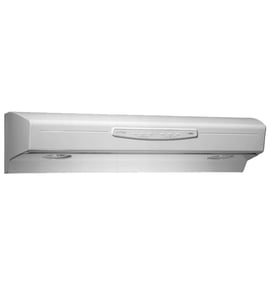



What are the parts of a range hood called?
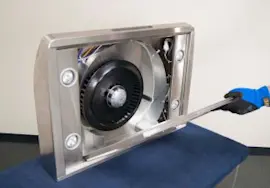
On the Electrolux E36DD75ESS retractable ventilation system (vent hood), the main parts are typically the hood or intake assembly, filters, blower and ducting components, controls, lighting, and the wiring that powers and controls the unit. For your exact component names and diagrams, use the owner's manual.
Common range hood part names (what they do)
Most range hoods use similar terminology, even when the design is retractable:
- Canopy or intake panel: the visible capture area that pulls smoke and steam
- Grease filter: traps grease before it reaches the blower and duct
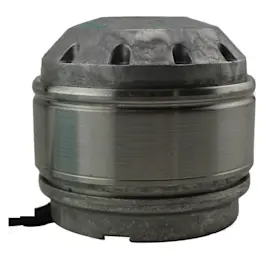
- Blower (fan) and motor: moves air through the vent system
- Duct transition and ducting: connects the hood outlet to the home duct (for vented installs)
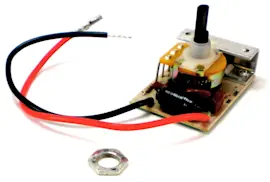
- Controls (switches or control board): fan speed, lights, and sometimes auto features
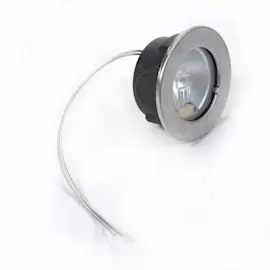
- Lighting (lamps/LEDs): illuminates the cooktop
- Wiring harness and connectors: carries power and signals between components
Model-specific examples you may see on E36DD75ESS
On this Electrolux model, parts lists often include structural and electrical items such as:
- Harness 5304446297 (internal wiring connections)
- Twist-on wire connector 5304446276 (wire splice connector used during wiring/repair)
- Transition d 5304446222 (duct transition style component)
- Trim 5304446270 (finish piece that covers edges or seams)
Quick glossary (name vs. what to look for)
| Part name you’ll hear | What it usually refers to | Why you’d replace it |
|---|---|---|
| Grease filter | Metal mesh or baffle filter | Clogged, damaged, won’t clean up well |
| Harness | Bundled wires with plugs | Intermittent power, burned connector, broken wire |
| Transition | Duct adapter at the outlet | Duct fit issues, damage, air leaks |
| Trim | Decorative/finish piece | Bent, scratched, won’t mount securely |
Why it matters
Using the correct part name helps you match the right diagram callout and order the correct replacement. This is especially important on retractable vent hoods where the intake panel, top cap, and wiring are model-specific.
Last updated: February 2026
How to turn on an Electrolux exhaust fan?
To turn on the exhaust fan on your Electrolux E36DD75ESS retractable downdraft vent, press the Up/Down switch on the top cap once. The vent raises (about 10 seconds), then the blower turns on automatically at the last-used speed; adjust speed with the variable speed control (see the owner's manual).
Quick steps to start the fan
- Press the Up/Down switch once while the intake is fully down.
- Wait for the intake to rise completely (the blower will not run until it is fully raised).
- When the blower starts, turn the variable speed control to set the airflow.
- To turn the blower off, press Up/Down once; the blower shuts off and the intake lowers.
- If the intake stops partway, check for an obstruction before trying again.
What to expect (normal operation)
| What you do | What the vent does | What the blower does |
|---|---|---|
| Press Up/Down (intake down) | Raises to full height | Turns on at last-used speed |
| Turn speed control | Stays fully raised | Speed increases or decreases |
| Press Up/Down (while running) | Lowers | Turns off |
If the fan will not turn on
These checks solve most “fan not working” complaints on retractable ventilation systems like the E36DD75ESS:
- Confirm the intake is fully raised; the blower will not operate in any other position.
- Check the home circuit breaker or fuse for the vent hood circuit.
- If the intake raises or lowers partially then stops, remove any obstruction; then restore power and try the Up/Down switch again.
- If a gas flame is being pulled by the vent draw, reduce blower speed to a lower setting.
Why it matters
Running the blower only when the intake is fully raised protects the mechanism and helps the vent hood move air efficiently through the ducting.
Last updated: February 2026
Why would a range hood fan stop working?
On the Electrolux E36DD75ESS downdraft vent hood, the fan (blower) commonly stops because the unit is not getting power (tripped breaker or blown fuse), the intake is not fully raised (the blower will not run unless it is fully up), or a control or wiring issue is preventing the motor from being energized. See the owner's manual troubleshooting section for model-specific checks.
Quick checks that fix most “fan won’t run” problems
- Make sure the vent intake is fully raised; this model’s blower does not operate in any other position.
- Reset the house circuit breaker and check home fuses supplying the vent hood.
- Press the Up/Down switch once to raise the intake; wait about 10 seconds for it to reach the top.
- Turn the variable speed control after the intake is fully up to confirm the blower is being commanded on.
- If the intake stops partway, turn power off and remove any obstruction, then restore power and try again.
- If lights work but the fan does not, inspect for loose or damaged wiring connections.
What to check by symptom
| Symptom | Most likely cause | What to do next |
|---|---|---|
| Nothing works (no fan, no movement) | Power supply interrupted | Check breaker and fuses; restore power and retry |
| Intake raises or lowers partially then stops | Obstruction in the intake path | Remove obstruction with power off; retry Up/Down |
| Intake is up but fan is off | Speed control set to off or control issue | Turn speed control; if no response, test switch/wiring |
Parts that can be involved
If you find damaged wiring or a loose connection inside the unit, these model-specific parts are commonly involved in restoring power to the blower circuit:
- Harness 5304446297 (wiring connections between controls and components)
- Twist-on wire connector 5304446276 (secure splices in the wiring compartment)
- Cord 5304446261 (power cord connection issues)
Why it matters
A downdraft system like the E36DD75ESS uses position sensing and controls so the blower only runs when the intake is fully raised. That protects the mechanism and helps airflow; it also means a partial lift, obstruction, or power interruption can look like a “bad fan” even when the motor is fine.
Last updated: February 2026
How to replace range hood buttons?
On the Electrolux E36DD75ESS retractable ventilation system, “buttons” are part of the control switch assembly; replacement typically involves shutting off power, removing the control cover/panel, transferring the wiring connector(s) to the new switch, then reassembling and testing operation using the steps in the owner's manual.
Before you start (safety and access)
- Turn off power at the circuit breaker before opening the control area.
- Confirm the vent is fully lowered and stable before removing any covers.
- Use a container for screws so nothing drops into the vent housing.
- If wiring insulation is damaged or a connector is loose, repair it before restoring power.
Step-by-step: replacing the button/switch panel
- Disconnect power at the breaker.
- Remove the screws holding the control cover or access panel (locations vary by installation).
- Carefully slide or lift the switch/button assembly out far enough to access the connector.
- Unplug the wiring connector from the old switch assembly.
- Plug the connector into the new switch assembly (match orientation; do not force).
- Reinstall the switch assembly and secure it with the original screws.
- Restore power and verify operation (raise/lower and blower speeds).
Quick checks if the new buttons still do not work
- House breaker or fuse is off or tripped.
- A wiring connector is not fully seated.
- A pinched harness or damaged wire is preventing power from reaching the controls.
- The vent stops partway due to an obstruction; remove the obstruction, then retry.
What parts are commonly involved?
We list several electrical connection parts for this model that are often used during control repairs:
| Part type | What it does | Example on this model |
|---|---|---|
| Wire harness | Carries power/signals to controls | Harness 5304446297 |
| Wire connector | Secures splices/repairs in wiring | Twist-on wire connector 5304446276 |
| Power cord | Supplies power to the unit (if corded) | Cord 5304446261 |
Why it matters
A loose connector or damaged harness can make the vent act “dead” even when the buttons are new. Replacing the switch correctly and confirming solid electrical connections helps prevent intermittent operation and nuisance shutdowns.
Last updated: February 2026