Owner’s manual
 Error Codes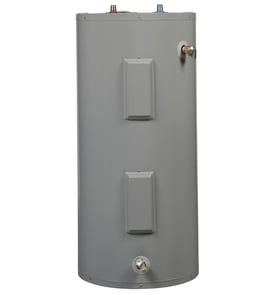



What is the lifespan of an electric hot water heater?
Most electric water heaters last 10 to 15 years. For a Kenmore electric water heater like model 153326461, lifespan depends mainly on water quality, maintenance (especially anode rod condition), and whether heating elements and thermostats stay in good shape; see the 153326461 owner's manual for care and maintenance guidance.
Typical lifespan and what changes it
- 10 to 15 years is the normal service life for a residential electric tank water heater.
- Hard water and heavy hot-water use shorten life.
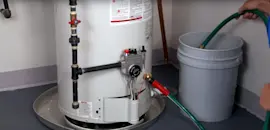
- Regular tank draining and anode rod replacement extend life.
- Overheating events (high-limit trips) can stress components.
- Leaks from the tank itself usually mean replacement, not repair.
Signs your water heater is near end of life
- Rust-colored hot water or metallic odor
- Rumbling or popping sounds (sediment buildup)
- Not enough hot water or slow recovery
- Water temperature swings
- Moisture or corrosion around the base of the tank
Parts that commonly extend service life
Replacing wear parts can restore performance, but it does not “reset” the tank’s age.
| What fails most often | What you may notice | Example part for 153326461 |
|---|---|---|
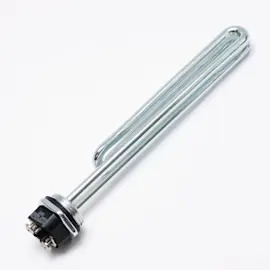
| Heating element | Lukewarm water, long recovery | Element 100108346 |
| Thermostat | Water too hot or not hot enough | Thermostat 100108424 |
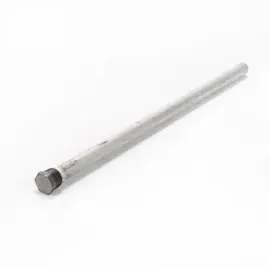
| Anode rod | Rusty water, faster tank corrosion | Anode rod 100109434 |
Why it matters
Once a tank water heater passes about 10 years, planning ahead helps avoid a no-hot-water emergency and reduces the risk of water damage from a sudden tank leak. Keeping the temperature set reasonably and maintaining the anode rod are the biggest lifespan drivers.
Last updated: January 2026
Is a 20 gallon water heater enough for a shower?
A 20-gallon tank can handle a single shower, but it is tight; most households get better shower comfort from a 30 to 50-gallon electric water heater. With Kenmore model 153326461, the real limit is how fast the tank recovers and your shower’s flow rate.
What to expect from a 20-gallon tank
A typical shower uses about 2.0 to 2.5 GPM. That means a 10-minute shower can use 20 to 25 gallons of mixed water (hot plus cold). If your incoming cold water is very cold, you will use more hot water to reach a comfortable temperature.
Common outcomes with 20 gallons:
- One short shower is usually fine.
- Long showers often turn lukewarm near the end.
- Back-to-back showers usually require recovery time.
- Low-flow showerheads extend hot-water time.
Quick sizing guide (typical)
| Shower length | Typical flow | 20-gal tank result |
|---|---|---|
| 5 minutes | 2.0 GPM | Usually enough |
| 10 minutes | 2.0 GPM | Often borderline |
| 10 minutes | 2.5 GPM | Often not enough |
What to check on your Kenmore 153326461
Use the 153326461 owner’s manual to confirm your thermostat settings and troubleshooting steps for “not enough hot water.”
If showers are going cold, these are the most common causes:
- Thermostat set too low or out of calibration
- One heating element not heating (upper or lower)
- Sediment buildup reducing usable hot water
- A failing thermostat or loose wiring connection
- A leaking hot-water fixture or crossover mixing hot and cold
Parts that commonly affect shower hot water
If testing shows a failed component, these model-matched parts are commonly involved:
- Thermostat 100108424 (temperature control)
- Element 100108346 (heating performance)
Why it matters
An undersized tank causes temperature swings and frequent recovery cycles, which feels like “running out” of hot water even when the heater is working normally.
Last updated: January 2026
What are the signs of a bad water heater switch?
On a Kenmore electric water heater model 153326461, a bad power switch or disconnect (or a loose connection at that switch) commonly shows up as buzzing or crackling, heat discoloration, intermittent power to the heater, or a burning smell. Turn power off before inspecting any wiring.
Common signs you should not ignore
- Buzzing, humming, or crackling from the switch or electrical box (often from loose terminals or worn contacts)
- Switch feels hot to the touch, looks melted, or shows scorch marks
- Hot water comes and goes (heater loses power intermittently)
- Breaker trips or a fuse blows when the heater tries to run
- Burning odor near the switch, junction box, or conduit
Quick checks that separate a “switch problem” from a water heater problem
We see these issues confused often on electric water heaters:
| What you notice | More likely the switch/disconnect | More likely the water heater (internal) |
|---|---|---|
| Noise at the wall switch/disconnect | Yes | No |
| No hot water but breaker is on | Possible (open/loose switch) | Possible (thermostat/element/high-limit) |
| Breaker trips immediately | Possible (short at switch/wiring) | Possible (shorted element) |
| Water temperature swings | Uncommon | Common (thermostat issue) |
If the heater has power but still will not heat
If power is reaching the water heater, the issue is often inside the unit. For model 153326461, common service items include the thermostat 100108424 and the element 100108346. Use the 153326461 owner's manual for access-panel removal, insulation handling, and the high-limit reset procedure.
Why it matters
A failing switch or loose electrical connection can overheat and damage wiring, and it can also mimic “no hot water” symptoms that are actually caused by a thermostat, heating element, or the high-temperature limit shutting the heater down.
Last updated: January 2026
Can you replace a thermostat on an electric water heater?
Yes. On the Kenmore 153326461 electric water heater, you can replace a thermostat as long as you shut off power first, keep the thermostat flush to the tank, and reinstall the terminal cover and insulation before restoring power. Use the 153326461 owner's manual for the exact access-panel and wiring details.
Safety first (do this every time)
- Turn OFF power at the breaker before opening any access panel.
- Confirm the tank is completely full of water before turning power back on.
- Keep the thermostat flush against the tank for accurate temperature sensing.
- Reinstall the terminal cover and insulation block/pad before energizing.
- Tighten terminal screws securely; loose connections can overheat.
Basic replacement overview
- Shut off electrical power.
- Remove the access panel and insulation.
- Note wire positions, then disconnect wires from the old thermostat.
- Install the new thermostat so it sits flat against the tank.
- Reconnect wiring, reinstall the terminal cover, insulation, and access panel.
- Restore power only after the tank is full and water flows from a hot faucet.
Parts that are commonly replaced with a thermostat
If you are already inside the access area, these parts are often replaced at the same time when symptoms point to overheating, no hot water, or inconsistent temperatures:
| Symptom | Common related part | Example part for this model |
|---|---|---|
| Water too hot or not hot enough | Thermostat | Thermostat 100108424 |
| Slow recovery or no hot water | Heating element | Element 100108346 |
| Leak at element after service | Element seal | Water heater heating element gasket 100108379 |
Why it matters
A thermostat that is not mounted correctly or is left uncovered can misread tank temperature and trip the high-limit reset, or create unsafe wiring heat at the terminals. Setting the temperature around 120°F helps reduce scald risk and saves energy.
Last updated: January 2026