View engine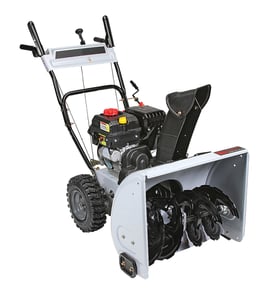




What is the typical lifespan of a gas snowblower?
A gas snowblower like the Husqvarna HL1027 typically lasts 10 to 15 years with normal residential use and consistent maintenance. With excellent care (clean fuel practices, regular oil changes, and off-season storage), many gas snowblowers reach 15 to 20 years of service.
- Fuel care: fresh gasoline, correct storage, and draining or stabilizing fuel before storage
- Oil changes: on schedule, using the correct oil type for winter temperatures
- Shear pin events and impacts: hitting ice chunks, gravel, or curbs accelerates wear
- Belt and friction drive wear: heavy, wet snow and frequent use shorten life
- Corrosion control: salt exposure and wet storage rust the auger housing and hardware
| Use pattern | Maintenance level | Typical lifespan |
|---|---|---|
| Light (few storms/season) | Good | 12 to 18 years |
| Moderate (most storms) | Good | 10 to 15 years |
| Heavy (long driveway, frequent storms) | Average | 8 to 12 years |
| Any use | Excellent | 15 to 20 years |
- Change engine oil at least once per season (more often with heavy use)
- Keep the auger and chute clear of packed snow after use
- Inspect and tighten fasteners; replace worn nuts and washers as needed (example: lawn & garden equipment hex nut 596322601)
- Lubricate moving points and check for play in the auger and impeller area
- Store dry, covered, and off concrete when possible
A snowblower’s engine can last a long time, but most “end of life” failures come from neglected fuel systems, worn drive components, and rusted or loose hardware. Preventive maintenance costs less than major repairs and keeps throwing performance consistent.
Last updated: January 2026
What happens if you leave gas in a snow blower?
Leaving gas in your Husqvarna HL1027 snow thrower during storage commonly causes hard starting, rough running, and carburetor clogging because gasoline can go stale and form varnish. For best reliability, we recommend either stabilizing the fuel or draining the system before long-term storage.
When fuel sits (especially ethanol-blended gas), it can change chemically and attract moisture. That leads to problems such as:
- Gummed-up carburetor jets and passages (engine starts then dies, or will not start)
- Surging or hunting at idle
- Loss of power under load
- Fuel line or primer bulb deterioration over time
- Corrosion in the fuel tank or carburetor bowl from moisture
Use the approach that matches how long the snowblower will sit.
- Less than 30 days: Keep the tank nearly full and use fresh fuel.
- 30 to 90 days: Add fuel stabilizer, run the engine 5 to 10 minutes to pull treated fuel into the carburetor.
- Over 90 days or end of season: Drain the tank and run the engine until it stops from lack of fuel.
- If your unit has a fuel shutoff valve, turn it off and let the engine run until it dies.
- Store fuel in an approved container and keep it away from ignition sources.
| Storage situation | Recommended approach | Why it helps |
|---|---|---|
| You use it weekly | Fresh fuel, keep tank topped off | Reduces condensation and stale fuel issues |
| You might not use it for 1 to 2 months | Stabilizer + run engine | Protects carburetor from varnish |
| Off-season storage | Drain tank + run dry | Prevents most fuel-related no-start problems |
Most “won’t start” complaints on gas snowblowers trace back to fuel quality and carburetor varnish. A few minutes of fuel prep helps protect the carburetor, primer system, and fuel lines, and it reduces the chance you will need a carburetor cleaning or replacement.
Last updated: January 2026
What kind of gas does a Husqvarna HL1027 take?
For the Husqvarna HL1027 gas snowblower, we recommend using fresh, unleaded gasoline with up to 10% ethanol (E10). Avoid higher-ethanol fuels (like E15 or E85) because they can cause hard starting, poor performance, and fuel-system damage in small engines.
Use fuel that matches these guidelines:
- Unleaded gasoline, regular grade is typical for snowblower engines
- E10 maximum (up to 10% ethanol)
- Do not use E15 or E85 (higher ethanol blends)
- Do not use old gas that has been sitting for months
- Do not mix oil into the gas unless your engine is specifically a 2-cycle design (most are 4-cycle)
Fuel issues are the most common reason a snow thrower will not start after storage.
- Buy only what you will use in 30 days
- Store gas in an approved container, tightly sealed
- Add fuel stabilizer if the snowblower will sit more than a few weeks
- Shut off the fuel valve (if equipped) after use
- At season end, run the engine briefly to help reduce fuel left in the carburetor bowl
| Item | Recommended | Not recommended |
|---|---|---|
| Ethanol content | Up to E10 | E15, E85 |
| Fuel freshness | New, clean gas | Stale or contaminated gas |
| Storage approach | Stabilized for storage | Untreated fuel stored long-term |
Using the right gasoline helps protect the carburetor, fuel lines, and seals, and it keeps your HL1027 starting easily in cold weather. If you are troubleshooting rough running or surging, fuel quality is one of the first things we check.
For related maintenance that supports easy starting and smooth operation, follow how to check a snowblower spark plug video and how to change snowblower oil video.
Last updated: January 2026
What are common gas snow blower problems?
Common problems on a Husqvarna HL1027 gas snow thrower include hard starting (often from stale fuel or a dirty carburetor), poor snow throwing from a clogged chute or worn auger/impeller components, and drive issues such as slipping belts or traction problems. Most fixes start with fuel, spark, and basic inspection.
- Engine will not start or starts then dies: old fuel, clogged carburetor, fouled spark plug, stuck choke, restricted fuel cap vent
- Runs rough or surges: partially clogged carburetor, water in fuel, dirty air intake (if equipped)
- Auger will not turn: broken shear pin (common), loose/broken belt, linkage out of adjustment, seized auger bearing
- Does not throw snow far: clogged chute, worn impeller clearance, low engine RPM, packed snow in housing
- Won’t drive or has weak traction: worn/slipping drive belt, drive control out of adjustment, friction wheel issues, frozen linkage
- Drain old fuel and refill with fresh fuel (use fuel stabilizer if it will sit).
- Check spark plug condition and gap; replace if fouled.
- Verify choke and throttle move freely and fully.
- Inspect belts and pulleys for glazing, cracks, or slack.
- Clear the chute and housing only with the engine off and the spark plug wire disconnected.
These are model-related parts we often see involved when controls or the front end are not operating smoothly:
| Problem area | What to inspect | Example part on this model page |
|---|---|---|
| Chute deflector won’t hold position | spring tension, binding pivots | Husqvarna snowblower chute deflector tension spring 532184505 |
| Auger control feels weak or won’t return | control spring stretch/break | Snowblower auger control spring 532178669 |
| Grinding or no auger drive | gearbox wear, damaged worm gear | Snowblower gearbox worm gear 598831601 |
Gas snowblower problems usually get worse quickly: stale fuel can clog the carburetor, and a slipping belt or worn auger/impeller parts can overload the drivetrain. Catching issues early helps protect the gearbox, auger shaft, and drive system.
- How to check a snowblower spark plug video
- How to change snowblower oil video
- How to replace a snowblower belt video
Last updated: January 2026