Owner’s manual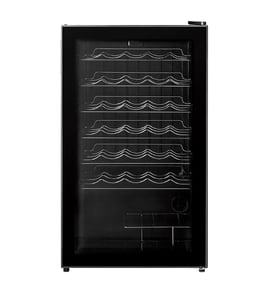

What is the difference between a wine cooler and a beverage cooler?
A wine cooler is built to protect wine quality with steadier, narrower temperature control and features that support corked bottles, while a beverage cooler is optimized for quick access and colder, general-purpose storage for cans and bottles. For Edgestar model CWR1551DZ, use the CWR1551DZ owner's manual to confirm the exact temperature range and control features.
Key differences at a glance
- Temperature range: Wine coolers prioritize wine-safe setpoints (often mid-40s to mid-60s °F); beverage coolers commonly target colder serving temps for soda and beer.
- Temperature stability: Wine storage benefits from fewer swings; beverage storage is typically more tolerant of cycling.
- Shelving design: Wine coolers often use bottle-friendly racks; beverage coolers often use flatter shelves for cans and mixed containers.
- Humidity and vibration: Wine coolers are commonly designed to reduce vibration and drying conditions that can affect corks; beverage coolers focus more on capacity and convenience.
- Lighting and door glass: Wine coolers often emphasize low-heat, low-UV lighting; beverage coolers may prioritize visibility and frequent door openings.
Which one should you choose?
Use this quick guide based on what you store most:
| If you mostly store... | Better fit | Why |
|---|---|---|
| Corked wine bottles for weeks or months | Wine cooler | More wine-friendly temperature behavior and bottle storage |
| Cans, mixers, sparkling water, beer | Beverage cooler | Colder temps and flexible shelf space |
| Both wine and canned drinks | Dual-zone or combo unit | Separate zones help avoid compromising either type |
Setup tips that matter for performance
- Set the temperature based on what you store most often (wine vs. cans).
- Avoid overpacking; airflow gaps help prevent warm spots.
- Minimize frequent door openings to reduce temperature swings.
- Keep the unit level to help the door seal and reduce vibration.
- Clean the door gasket so it seals tightly and holds temperature.
Why it matters
Wine is more sensitive to temperature swings and long-term storage conditions than most canned beverages. Choosing the right cooler helps preserve flavor and carbonation, reduces compressor run time, and keeps your Edgestar CWR1551DZ performing efficiently.
Last updated: January 2026
Does anybody make wine coolers anymore?
Yes. Companies still make wine coolers; they are commonly sold today as wine refrigerators or wine and beverage coolers, like the Edgestar CWR1551DZ. The bigger change is naming and where they are sold (appliance retailers and online), not that the product disappeared.
What people mean by “wine cooler”
In the 1980s and 1990s, “wine cooler” often meant a flavored alcoholic drink. In appliance terms, a wine cooler is a temperature-controlled cabinet designed to store wine and other beverages more consistently than a standard room environment.
How to shop for the right wine and beverage cooler
When comparing models, we focus on these practical specs:
- Capacity: bottle count and can storage layout
- Temperature range: single-zone vs dual-zone cooling
- Ventilation style: built-in (front-venting) vs freestanding (rear/side clearance)
- Door and shelving: glass door, slide-out racks, adjustable shelves
- Noise and vibration: important for wine storage and quiet rooms
Quick comparison: then vs now
| Term you see | Usually refers to | Where you’ll find it |
|---|---|---|
| Wine cooler | Wine refrigerator / wine cabinet | Appliance listings and parts sites |
| Beverage cooler | Can and bottle refrigerator | Appliance listings |
| Wine & beverage cooler | Combo storage for wine plus cans/bottles | Appliance listings |
Why it matters
Using a dedicated wine and beverage cooler helps protect flavor and carbonation by reducing temperature swings. It also keeps bottles organized and frees up space in your kitchen refrigerator.
Model-specific tip for Edgestar CWR1551DZ
For operating guidance, temperature settings, and care recommendations for your Edgestar unit, use the CWR1551DZ owner’s manual.
Last updated: January 2026
What is the most common problem with wine coolers?
The most common wine cooler problem is not cooling to the set temperature. On the Edgestar CWR1551DZ, this is usually caused by airflow restrictions (dirty condenser area, blocked vents), a door seal leak, or incorrect temperature settings; start with the basic checks in the CWR1551DZ owner's manual.
Quick checks we recommend first
- Confirm the unit has power and the display is on; reset by unplugging for 5 minutes.
- Verify the temperature setpoint is appropriate for wine (typically 45 to 65°F) and allow 24 hours to stabilize.
- Make sure the door closes fully and the gasket seals all the way around.
- Check for blocked airflow: keep bottles and shelves from covering interior vents.
- Clean dust from the condenser intake and surrounding area; dust buildup is a top cause of weak cooling.
- Confirm the cooler has proper clearance around it (especially if built-in or tightly enclosed).
Other common wine cooler issues (and what they usually mean)
| Symptom | Most common cause | What to do next |
|---|---|---|
| Runs constantly | Warm room, frequent door openings, dirty condenser, door leak | Clean condenser area; reduce openings; check gasket seal |
| Frost on back wall | Door not sealing, high humidity, long door openings | Check gasket; limit openings; verify setpoint |
| Loud buzzing or rattling | Unit not level, bottles/shelves vibrating, fan noise | Level the cabinet; reposition bottles; check for obstructions |
| Temperature swings | Overpacked cabinet, blocked vents, unstable room temp | Improve airflow; reduce load; keep away from heat sources |
Why it matters
Wine coolers rely on steady airflow and a tight door seal to hold temperature. When airflow is restricted or warm air leaks in, the compressor runs longer, temperatures drift, and you can see frost, noise, or premature wear on cooling components.
When to move from “checks” to “repair”
- The cabinet stays warm after 24 hours with good airflow and a confirmed door seal.
- You hear a fan trying to run but it stalls or scrapes.
- The compressor is hot and running, but there is no cooling improvement.
For safe electrical troubleshooting steps and model-specific operating guidance, follow the CWR1551DZ owner's manual.
Last updated: January 2026
What are some discontinued wine cooler brands?
Wine cooler discontinuation happens at the model or product-line level, not usually at the brand level. Many well-known brands still sell wine coolers today, but older series from those brands can be discontinued and become harder to support. For Edgestar model CWR1551DZ, use the CWR1551DZ manual to confirm the exact model details before comparing parts or service information.
Brands you may see on discontinued or older wine cooler models
These brands commonly have older wine cooler lines in the market; specific models within these brands may be discontinued even if the brand is still active:
- Edgestar (older model series)
- Vinotemp (older model series)
- Avanti (older model series)
- Danby (older model series)
- Haier (older model series)
- Magic Chef (older model series)
How to tell if a specific wine cooler model is discontinued
Use the model and rating label information first; that is what determines parts compatibility.
- Find the rating label (inside the cabinet or on the back)
- Record the full model number and serial number
- Check whether replacement parts show “substituted” or “superseded” notes
- Match key features: single-zone vs. dual-zone, door swing, shelf style
- Confirm electrical specs and control type (digital vs. dial) before ordering
What typically gets harder to source on discontinued models
| Part type | Typical availability trend | What to do first |
|---|---|---|
| Shelves, door gasket | Often available longer | Match by model number and measurements |
| Fans, thermistors/sensors | Mixed | Compare connector style and mounting |
| Control board/display | Often limited | Verify exact revision and wiring |
| Compressor/sealed system | Least available | Use a technician for diagnosis and options |
Why it matters
Two wine and beverage coolers can look identical but use different thermostats, fans, or control boards. Confirming the exact model (like CWR1551DZ) prevents ordering parts that will not fit or function correctly.
Last updated: January 2026