Owner’s manual
 View engine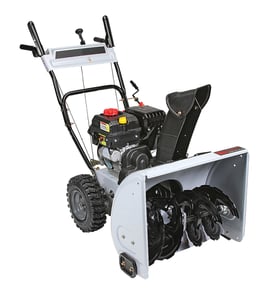



How long should a gas snowblower last?
For the Craftsman 247889702 26-inch snow thrower, the operator guidance lists an average useful life of 7 years or 60 hours of operation. With consistent seasonal maintenance and proper off-season storage, many gas snowblowers deliver reliable service beyond that baseline.
What “7 years or 60 hours” means
This is a practical benchmark used for safety and wear planning, not a hard stop date.
- 7 years assumes typical homeowner use and normal wear
- 60 hours is total run time (engine hours), not just time spent moving snow
- Heavy, wet snow and frequent use can reach 60 hours sooner
- Light use can take many winters to reach 60 hours
| Usage pattern | Typical hours per winter | About when you reach 60 hours |
|---|---|---|
| Light | 3 to 6 | 10 to 20 winters |
| Average | 6 to 12 | 5 to 10 winters |
| Heavy | 12 to 20 | 3 to 5 winters |
Maintenance that extends service life
Follow the schedules and specs in the 247889702 owner’s manual. Key items called out for this model include fuel freshness, lubrication, and tune-up parts.
- Use the correct engine oil type (5W-30) and change oil on schedule
- Do not store fuel long-term; use fuel within about 30 days to reduce carburetor issues
- Check and set spark plug gap (.020 to .030 inch) during tune-ups
- Lubricate the hex shaft at least once per season or every 25 hours (avoid getting oil on the friction wheel)
- Inspect wear items such as belts, skid shoes, shave plate, and shear pins
When it’s time to repair vs. replace
These symptoms usually point to normal wear items or adjustments, not end-of-life.
- Auger stops under load (often shear pins, belt, or cable adjustment)
- Poor throwing distance (shear pins, impeller/auger issues, engine tune-up)
- Drive slipping or no forward motion (friction wheel contamination or wear)
- Excess vibration (damaged auger, bent shaft, missing hardware)
Common wear part example
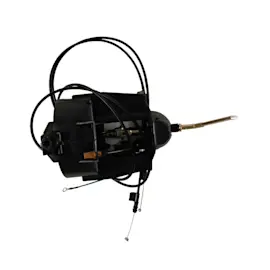
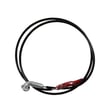
If the auger engagement feels weak or inconsistent, a stretched or damaged cable is a common cause; the snowblower auger clutch cable 946-04230b is one of the model-matched parts we list for this unit.
Why it matters
Planning around the average useful life helps you stay ahead of safety checks, prevent mid-storm breakdowns, and decide when proactive replacement of wear parts is more cost-effective than repeated repairs.
Last updated: February 2026
How to tell year of Craftsman snowblower by serial number?
For Craftsman snow thrower model 247889702, the most reliable way to determine the build year is to match your serial number format to the decoding method shown in the 247889702 owner's manual. Many units in this family use a build-date code where a letter indicates the month, digits indicate the day, and a later digit indicates the year within a decade.
Where to find the serial number
On most Craftsman 26-inch snow throwers, the serial number is on the model and serial tag on the frame (commonly near the engine, behind the chute area, or on the rear of the housing).
- Look for a sticker or metal tag that lists MODEL and SERIAL
- Wipe off snow, salt, and grime so every character is readable
- Write the serial number exactly as shown (letters and numbers)
- If characters are missing, take a clear photo and zoom in
- Keep the serial number with your maintenance records (oil changes, shear pins, belts)
How the serial number date code is commonly structured
A common format used on many MTD-built Craftsman snowblowers is:
- 2nd character: month code (A = Jan, B = Feb … L = Dec)
- 3rd and 4th characters: day of the month (01-31)
- 5th character: year within the decade (for example, 1 = 2001 or 2011)
Quick example (format illustration)
| Serial snippet | What it can mean | What you do next |
|---|---|---|
?C15? |
Built in March, 15th | Use the decade clue below |
?L02? |
Built in December, 2nd | Use the decade clue below |
How to determine the correct decade (the key step)
Because the year digit is often only one number, you confirm the decade using other clues:
- The engine model and emissions label on the engine shroud
- The style of controls and dash panel (older vs newer layouts)
- Parts history: if you have receipts for items like a drive belt or friction wheel
- Cross-checking parts diagrams in the 247889702 owner's manual
Why it matters
Knowing the build year helps you order the correct Craftsman parts (like belts, cables, and shear pins) and follow the right maintenance schedule for your 26-inch snow thrower.
Last updated: February 2026
Is it worth fixing a snowblower?
Yes, it’s worth fixing a Craftsman 247889702 snowblower when the problem is a normal wear item (shear pins, belts, skid shoes, shave plate, cables) and the machine is otherwise in solid shape. Repairs that restore safe operation and reliable throwing performance usually beat replacing the whole unit.
Quick way to decide (cost vs. condition)
Use this checklist before you buy parts:
- Wear-item failure (shear pins, skid shoes, shave plate, cable adjustment): fix it.
- Auger jam or impact: inspect for damage, then replace the correct shear pins.
- Drive issues (won’t move, slips): often friction wheel or belt related.
- Major drivetrain damage (gearbox, bent auger shaft): compare repair cost to replacement.
- Overall condition: if the engine starts easily and the frame and auger housing are sound, repairs usually pay off.
Common “worth it” repairs on this model
These are typical, high-value fixes that restore performance quickly:
| Symptom | Likely area | Typical fix |
|---|---|---|
| Augers won’t turn after hitting ice/object | Shear pins | Replace with correct shear pins and cotter pins |
| Scrapes poorly, leaves snow behind | Wear surfaces | Replace/rotate skid shoes; replace shave plate |
| Poor engagement of auger/drive | Controls/cables | Adjust or replace clutch cable |
For shear pin replacement and safety steps, follow the 247889702 owner’s manual.
Parts that often make sense to replace
If you’re troubleshooting or doing seasonal maintenance, these parts are commonly involved:
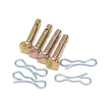
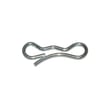
- Craftsman snowblower shear pin 738-04124A (required type for auger protection)
- Skid shoes (wear edges can often be rotated before replacement)
- Shave plate (scraper blade at the bottom of the housing)
- Drive belt and friction wheel (for traction and drive engagement)
- Auger/drive clutch cables (for proper engagement)
Why it matters
A snowblower is designed to protect expensive components during jams. For example, the auger shear pins are meant to break if the auger hits a foreign object; using the correct replacement helps prevent damage to the auger gearbox and keeps operation safer.
Last updated: February 2026
How to get rid of an old snowblower?
If you’re getting rid of an old Craftsman snowblower model 247889702, the safest approach is to drain fuel and oil first, then choose a disposal option that fits its condition: sell for parts, recycle as scrap metal, donate if it runs, or schedule bulky-item pickup.
Safe prep steps (do this first)
- Run the engine until it stops to use up fuel in the tank and carburetor.
- Let the engine cool completely.
- Drain engine oil into an approved container and take it to an oil recycling drop-off.
- Remove any electric-start extension cord and store it separately.
- Clean out packed snow and ice; never put hands in the chute (use the clean-out tool described in the 247889702 owner’s manual).
Best disposal options (choose one)
- Sell as-is or for parts: List it locally and note issues (no drive, won’t start, auger not engaging).
- Scrap metal recycler: Most gas snowblowers are largely steel and aluminum, so recyclers often accept them after fluids are removed.
- Municipal bulky waste pickup: Many cities take small outdoor power equipment on scheduled pickup days.
- Donation (only if it’s safe and functional): Donate to a local charity, community tool library, or neighbor.
- Junk removal service: Good option if you cannot transport it.
What to keep (or remove) before it leaves
| Item | Keep/remove? | Why it matters |
|---|---|---|
| Ignition key | Keep | Prevents accidental starting during transport |
| Gasoline | Remove/use up | Fuel is hazardous and can leak |
| Engine oil | Drain | Required for safe recycling/handling |
| Shear pins | Optional keep | Handy spares for your next machine |
Why it matters
Gasoline, oil, and sharp moving parts make snowblower disposal different from regular trash. Prepping it correctly helps prevent spills, injuries, and damage during hauling.
Last updated: February 2026
How to tell if a snowblower auger belt is bad?
On Craftsman model 247889702, a bad auger belt typically shows visible wear (cracks, fraying, glazing) and causes poor snow throwing because the augers slip, hesitate, or stop under load. If the augers do not fully stop when you release the auger control, check the control adjustment first per the 247889702 owner’s manual.
Quick signs the auger belt is failing
- Cracks across the ribs or on the belt’s flat side
- Frayed edges, cords showing, or missing chunks
- Shiny, glazed surface (belt slips instead of gripping)
- Burning rubber smell after engaging the auger
- Augers turn slowly, surge, or stop when snow gets heavy
- Belt squeal or chatter when you squeeze the auger control
Rule out common look-alikes (before you buy a belt)
A “no auger” complaint is often caused by something other than the belt.
| Symptom | Most likely cause | What to check first |
|---|---|---|
| Augers will not turn at all | Shear pin(s) broken | Inspect and replace with shear pin 738-04124A if sheared |
| Augers keep moving after release | Auger control cable out of adjustment | Cable should have very little slack when disengaged (not tight) |
| Poor throwing distance | Belt slipping or auger control not fully engaging | Look for glazing, stretching, or weak engagement |
| Unit will not drive forward | Drive belt or friction wheel issue | Inspect drive belt routing and friction wheel condition |
What we recommend checking (safe, fast inspection)
- Shut the engine off, remove the ignition key, and let all moving parts stop.
- Remove the belt cover and inspect the auger belt for glazing, cracks, fraying, or oil contamination.
- Squeeze the auger control and confirm the engagement feels firm and consistent.
- Release the auger control and confirm the augers stop completely (no creeping).
- If the belt looks good, inspect shear pins and the auger area for jams or ice.
Why it matters
A slipping auger belt reduces throwing power and can overheat, glaze, and fail suddenly. Catching belt wear early helps protect pulleys, idlers, and the auger drive system, and it keeps your 26-inch snow thrower clearing consistently.
Last updated: February 2026
What are common Craftsman snowblower problems?
Common problems on the Craftsman 247889702 26-inch snow thrower include no-start or rough running (fuel and ignition issues), poor snow throwing (auger or chute issues), and drive problems (friction wheel or belt wear). Most fixes start with fresh fuel, basic inspections, and checking wear parts listed in the 247889702 owner's manual.
Most common symptoms and what usually causes them
- Engine will not start: old fuel, incorrect choke/primer use, fouled spark plug, carburetor varnish
- Engine runs rough or surges: partially clogged carburetor jet, water in fuel, restricted fuel flow
- Auger will not turn or stops under load: broken shear pin, loose or stretched auger clutch cable
- Snow throws weakly or chute clogs: packed snow/ice in chute, worn scraper or skid setup too low
- Unit will not drive or slips: worn friction wheel, stretched drive belt, linkage out of adjustment
Quick checks we recommend (in order)
- Fuel: Drain old fuel and refill with fresh, stabilized fuel; avoid fuel with more than 10% ethanol.
- Spark: Inspect/replace the spark plug if it is wet, black, or cracked.
- Auger safety parts: Check for a broken shear pin; replace with the correct type (never use a bolt).
- Cables and engagement: Confirm the auger lever fully tightens the cable and the auger engages firmly.
- Drive system: If it moves only in some speeds or slips, inspect the friction wheel and drive belt.
Parts that commonly solve these problems
| Symptom | Likely wear item | Example part for model 247889702 |
|---|---|---|
| Auger will not engage | Auger clutch cable | Snowblower auger clutch cable 946-04230b |
| Auger stops suddenly after hitting ice | Shear pin | Craftsman snowblower shear pin 738-04124A |
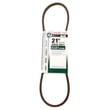
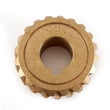
| Slipping or no drive | Drive belt or friction wheel | Drive belt 954-04260; friction wheel 684-04153 |
| Scraping poorly, leaving snow behind | Shave plate or skid shoes | Shave plate 790-00121-0721; skid shoe 731-06439 |
Why it matters
A snowblower that will not start or will not throw snow is often protecting itself from damage. For example, a shear pin is designed to break if the auger jams, and a worn friction wheel can make the drive feel weak even when the engine runs strong.
Last updated: February 2026
What company makes Craftsman snowblowers?
Craftsman snowblowers (including model 247889702) are built for the Craftsman brand by outside manufacturers; for this era of Craftsman 26-inch snow throwers, MTD Products is the most common maker, with the Craftsman name applied under license. For operating and parts identification details, use the 247889702 operator's manual.
How to tell who made your specific Craftsman snowblower
We recommend confirming the manufacturer using the ID labels and the parts list for your exact unit.
- Check the model and serial tag on the frame (often near the engine or rear housing)
- Match the model number format (for example, 247.889702 is a common MTD-built Craftsman format)
- Use the illustrated parts list to spot MTD-style part numbering (7xx, 9xx series numbers are common)
- Compare key wear parts to the parts list (shear pins, belts, skid shoes, shave plate)
- Use the manual to confirm control layout and feature set for the exact model
What “made by” means vs. “brand owner”
Craftsman is the brand on the machine; the actual manufacturing can be done by a partner company. That is why two Craftsman snowblowers from different years can have different designs, engines, and parts.
| Item | What it tells you | Why it matters for parts |
|---|---|---|
| Craftsman nameplate | Brand | Branding does not guarantee the same parts across years |
| Model number (247.889702) | Manufacturing family | Helps match the correct diagrams and hardware |
| Parts list in manual | Exact components used | Prevents ordering the wrong belt, cable, or shear pin |
Parts clues you can use on model 247889702
The manual parts list for 247.889702 includes common MTD-style components. Examples you may see referenced include the shave plate 790-00121-0721 and the snowblower auger clutch cable 746-04230.
Why it matters
Knowing the actual manufacturer and using the correct model number keeps repairs accurate, especially for fit-critical items like auger components, friction wheel drive parts, chute controls, and hardware.
Last updated: February 2026