Owner’s manual



What is the life expectancy of a Samsung front load washing machine?
A Samsung front load washer typically lasts 10 to 15 years in normal household use. For the Samsung WF42H5200AW, consistent cleaning, correct detergent use (HE), and avoiding chronic overloading are the biggest factors that keep the tub, drain system, and motor running longer; see the WF42H5200AW owner's manual.
What affects lifespan the most
- Load size and balance: repeated out-of-balance spinning increases wear on suspension and bearings.
- Detergent choice: use HE detergent and avoid overdosing to reduce residue buildup.
- Moisture control: leave the door ajar after cycles to limit odor and gasket mildew.
- Drain health: keep the pump filter and drain path clear to prevent pump strain.
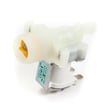
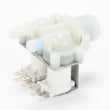
- Water quality and pressure: stable supply helps valves and fill performance.
Quick care checklist (best ROI)
- Run a monthly tub-clean cycle (or hot cycle) and wipe the door boot dry.
- Clean the drain pump filter every 1 to 3 months (more often with pet hair).
- Level the washer and keep all feet firmly on the floor.
- Wash bulky items (comforters, rugs) in smaller loads.
- Use the right cycle and spin speed for the fabric type.
Typical lifespan by use pattern
| Use pattern | What we see most often | Practical expectation |
|---|---|---|
| Light (1 to 3 loads/week) | Lower mechanical stress | 12 to 15 years |
| Average (4 to 7 loads/week) | Normal wear | 10 to 13 years |
| Heavy (8+ loads/week) | Faster suspension and pump wear | 7 to 10 years |
Why it matters
Front load washers are efficient, but they rely on tight seals, high-speed spin, and a clear drain system. Simple maintenance reduces odor, prevents drain problems, and limits vibration that can shorten the life of key components.
Last updated: February 2026
Is the Samsung 4.5 front load washer any good?
Yes. The Samsung WF42H5200AW front-load washer is a strong performer for most homes because it combines a large-capacity drum with high spin speed (up to 1200 rpm) and a wide cycle selection, which helps deliver solid cleaning and faster drying times. For best results, follow the setup, leveling, and care steps in the WF42H5200AW owner's manual.
What “good” looks like on this model
We judge a washer by cleaning performance, vibration control, cycle flexibility, and long-term upkeep. On the WF42H5200AW, these are the practical strengths:
- High spin speed helps remove more water, reducing dryer time.
- Multiple cycles cover everyday loads (Normal, Heavy Duty, Bedding, Delicates, Rinse+Spin, Quick Wash, and more).
- Calibration Mode improves load sensing accuracy after installation.
- Clear maintenance routines (debris filter, door diaphragm, dispensers) help prevent odors and drain issues.
Setup and maintenance that make the biggest difference
A front-load washer is only “as good as” its installation and routine care. We recommend:
- Level the washer on all four corners; recheck level after about a dozen washes.
- Run Calibration Mode after installation (empty tub, door closed, then Start/Pause).
- Clean the debris filter regularly to prevent slow draining and pump strain.
- Wipe and dry the door boot area (door diaphragm) to reduce mildew and smells.
- Use the correct detergent amount; too much can cause residue and odors.
Quick spec snapshot (from the manual)
| Item | WF42H5200AW spec |
|---|---|
| Width | 27 in |
| Height | 38.7 in |
| Depth | 33 in |
| Depth with door open 90° | 51.2 in |
| Max spin speed | 1200 rpm |
| Water pressure range | 20 to 116 psi |
Why it matters
Most “bad washer” complaints come from vibration, odors, or draining problems. Proper leveling, Calibration Mode, and routine cleaning are the difference between a washer that stays quiet and fresh, and one that starts walking, smelling, or showing drain-related errors.
Last updated: February 2026
What is the most common problem with Samsung washing machines?
On the Samsung WF42H5200AW front-load washer, the most common issues we see are draining problems, out-of-balance vibration during spin, and door lock or control-related faults. Many of these show up as error codes you can confirm using the WF42H5200AW owner's manual.
Most common issues and what they look like
- Won’t drain or drains slowly: water left in the tub, long cycle times, or a drain-related error.
- Excessive vibration or banging: especially during high-speed spin; often tied to load size, leveling, or worn suspension.
- Door won’t lock or won’t unlock: cycle won’t start, or the door stays locked after the cycle.
- Too many suds (SUd): the washer pauses until suds reduce; commonly caused by too much or wrong detergent.
- Control or motor faults: intermittent stopping, no spin, or codes that return after a restart.
Quick checks we recommend first
- Restart the cycle and see if the code returns (the manual lists several codes where a restart is the first step).
- Confirm the washer is level and the load is not a single heavy item (like one blanket) causing imbalance.
- Use HE detergent only and reduce the amount if you see SUd.
- Check for drain restrictions (kinked drain hose, clogged debris filter area).
- Use Smart Care (if equipped) to help identify the error type and countermeasure steps.
Parts that commonly relate to these symptoms
| Symptom | Commonly involved part | What it affects |
|---|---|---|
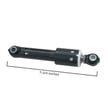
| Loud shaking, walking, banging | Samsung washer shock absorber DC66-00470A | Tub suspension and spin stability |
| Won’t drain, humming, water left in tub | Washer drain pump assembly DC97-18150E | Pumps water out during drain/spin |
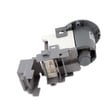
| Door won’t lock, won’t start | Washer door lock switch DC64-00519D | Confirms door is locked for safe operation |
Why it matters
Catching the “most common” problem early prevents secondary damage. For example, repeated out-of-balance spinning can stress the tub and suspension, and chronic drain issues can leave standing water that leads to odors and poor wash results.
Last updated: February 2026