Installation guide
 Owner’s manual
 Error Codes



Do whirlpool washers have a filter that needs to be cleaned?
Yes. The Whirlpool WFW92HEFC0 front-load washer uses a drain pump filter system that can collect lint, coins, and small debris; cleaning it periodically helps prevent slow draining, odors, and drain-related error codes. For model-specific maintenance guidance, use the WFW92HEFC0 use & care manual.
What “filter” means on this model
On the WFW92HEFC0, the filter customers usually mean is the drain pump filter area (often accessed through a filter cap). If the cap seal is worn or the cap is damaged, you can get leaks or repeated drain issues.
- Clean out debris if you notice slow draining, gurgling, or wet loads
- Check pockets before washing to reduce clogs
- Expect some water to come out when opening the filter area
- Reinstall the cap snugly to prevent leaks
Basic cleaning steps (safe DIY)
- Unplug the washer.
- Place towels and a shallow pan under the front lower area.
- Open the access area (varies by installation).
- Slowly loosen the filter cap and let water drain out.
- Remove debris, rinse the cap, and wipe the sealing surface.
- Reinstall the cap firmly; run a Drain & Spin to confirm normal draining.
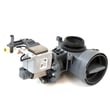
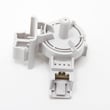
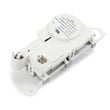
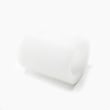
If your cap or seal is damaged, these model-matched parts are commonly involved:
When to clean it (practical schedule)
| Usage pattern | Recommended check/clean interval |
|---|---|
| Heavy use (daily loads, pets, kids) | Every 1 to 2 months |
| Typical household use | Every 3 to 4 months |
| Only occasional use | Every 6 months |
Why it matters
A partially blocked drain pump filter can make the washer drain slowly, leave clothes wetter after spin, and contribute to odor. Keeping the drain path clear also reduces the chance of drain-related faults during a cycle.
For more help with drain and performance symptoms, we also recommend cleaning the drain pump filter on a front load washer with no access door video.
Last updated: January 2026
How long does a front load washing machine last?
Front-load washers like the Whirlpool WFW92HEFC0 typically last 10 to 14 years with normal household use. Reaching the high end of that range depends most on routine cleaning, correct HE detergent use, and preventing moisture-related issues around the door seal.
What affects lifespan the most
A front-load washer’s service life is usually determined by how hard it’s worked and how well it’s kept clean and dry. We recommend following the care steps in the WFW92HEFC0 use & care manual.
Common factors that shorten lifespan:
- Overloading or tightly packing loads (stresses bearings, suspension, and tub)
- Using non-HE detergent or too much detergent (causes excess suds and residue)
- Leaving the door closed between loads (promotes odor, mildew, and seal buildup)
- Skipping monthly cleaning cycles (buildup can lead to leaks and drain issues)
- Ignoring early symptoms (small leaks, vibration, slow draining)
Maintenance habits that help you get 10 to 14 years
These are the highest-impact habits for Whirlpool front-load washers:
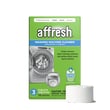
- Run the Clean Washer with affresh® cycle about once a month or every 30 cycles
- Leave the door slightly open between uses so the drum and gasket can dry
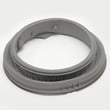
- Wipe the inner door glass and door seal periodically
- Measure HE detergent carefully; more is not better
- Check pockets to prevent coins and small items from damaging the drain system
Quick reference: what “good care” looks like
| Habit | How often | Why it helps |
|---|---|---|
| Clean Washer cycle | Monthly / every 30 cycles | Reduces residue, odor, and buildup |
| Door left ajar | After every load | Prevents moisture and mildew |
| Inspect door seal | Weekly | Catches debris and early leaks |
| Replace inlet hoses | Every 5 years | Reduces risk of hose failure |
Why it matters
A front-load washer is a high-speed, high-moisture appliance. Keeping residue and moisture under control helps protect key systems like the door seal, drain path, and suspension, which are common sources of costly repairs over time.
Last updated: January 2026
What is a common problem for a whirlpool washer front loader?
For the Whirlpool WFW92HEFC0 front-load washer, the most common problems we see are odor or mildew buildup around the door seal, “won’t drain/spin” symptoms from drain restrictions, and vibration from unbalanced loads or installation issues. Regular cleaning and correct loading prevent many of these issues (see the WFW92HEFC0 use & care manual).
Most common issues (and what to check first)
- Odors or mildew: moisture trapped in the door boot area; leaving the door closed between loads makes it worse.
- Washer won’t drain or clothes are still wet: kinked/blocked drain hose, standpipe issues, or debris in the drain pump filter area.
- Vibration or “walking”: unbalanced load, washer not level, or shipping bolts left installed after setup.
- Door won’t lock/unlock: door not fully closed, items caught at the opening, or a failing lock.
- Suds or “Sud/Sd” errors: too much detergent or non-HE detergent.
Quick symptom-to-cause guide
| Symptom | Most likely cause | Best first step |
|---|---|---|
| Musty smell | Door seal residue, moisture | Wipe seal and leave door ajar |
| F9E1 drain error / won’t drain | Drain hose issue or pump restriction | Check hose routing and clear restriction |
| Shaking during spin | Unbalanced load or not level | Rebalance load; verify leveling |
| F5E2 door lock error | Door not latching or lock issue | Check latch area; inspect lock |
Parts that commonly relate to these problems
If troubleshooting points to a failed component (not just cleaning or loading), these model-compatible parts are often involved:
- Drain filter access/cap issues: washer drain pump filter cap W11568579 (cap that seals the drain pump filter opening)
- Door won’t lock: washer door lock WPW10443885 (locks the door so the cycle can run)
- Excess vibration: washer shock absorber W11415987 (helps control tub movement during spin)
- Overfill/level sensing concerns: washer water-level pressure switch WPW10448876 (monitors water level)
Why it matters
Front-load washers like the Whirlpool WFW92HEFC0 use less water and have a tight door seal; that improves efficiency but makes routine maintenance (seal wiping, monthly cleaning cycle, correct HE detergent use) more important for odor control, draining performance, and leak prevention.
Last updated: January 2026