Owner’s manual
 View engine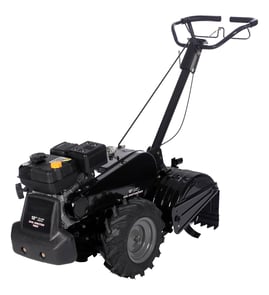




What tiller is made in the USA?
Some tillers are made in the USA, but it depends on the brand and the specific model. For your MTD rear-tine tiller model 21AA40M1031, the operator documentation is marked “Printed in USA”, which refers to the manual, not necessarily where the tiller was manufactured; use the product ID plate and the 21AA40M1031 operator’s manual to confirm what applies to your exact unit.
USA-made tiller brands you’ll commonly see
These brands are often associated with USA manufacturing or USA assembly for certain tiller lines (always confirm by model and serial number):
- Mantis (often cited as USA-made for select models)
- Northwest Tillers (heavy-duty, farm-oriented units)
- Power Dog (sold through Kuhns Power Equipment)
- MacKissic (Merry Tiller)
- Land Pride (commercial and agricultural equipment)
How to confirm “made in USA” on a specific tiller
The most reliable check is the machine’s identification label, not the manual cover.
- Look for a data plate on the frame (commonly near the engine mount, transmission housing, or handle support)
- Record the model number and serial number exactly as shown
- Check for a country-of-origin statement (for example, “Made in …” or “Assembled in …”)
- Compare the control layout and features to the diagrams in the 21AA40M1031 operator’s manual
- If you’re shopping, ask the seller for a photo of the data plate before you buy
“Printed in USA” vs “Made in USA”: what’s the difference?
| Label you see | What it usually means | What it does not guarantee |
|---|---|---|
| Printed in USA | The manual was printed in the United States | Where the tiller was built |
| Made in USA | Final product manufacturing occurred in the United States (per the maker’s claim) | That every component is US-sourced |
| Assembled in USA | Final assembly occurred in the United States | That major parts were made in the USA |
Why it matters
Country of origin can affect parts sourcing, long-term serviceability, and resale value. For repairs and maintenance on an MTD rear-tine tiller like 21AA40M1031, matching parts by model and serial is what keeps belts, tines, and transmission components correct.
Last updated: February 2026
What kind of tiller do I need for clay soil?
For clay soil, we recommend a rear-tine tiller like the MTD 21AA40M1031 because its heavier build and counter-rotating tines bite into compacted ground and dig deeper with better control than a small front-tine cultivator.
Best tiller type for clay (and why)
Clay is dense and can be hard on belts, tines, and traction. A rear-tine, counter-rotating tine (CRT) tiller is the right match because it:
- Digs aggressively; the tines rotate backward while the wheels pull forward
- Breaks up compacted soil and uproots weeds more effectively
- Tracks straighter and feels more stable in tough ground
- Lets you control depth with a depth stake and side shields
- Reduces bouncing compared to lighter front-tine machines
How to set up your 21AA40M1031 for clay soil
We get the best results in clay by starting shallow and working deeper in passes. The 21AA40M1031 owner's manual recommends using the second adjustment hole from the top for about 1 inch of tilling depth when using the tiller for the first time or breaking up sod.
- Start at about 1 inch depth (second hole from the top)
- Keep side shields low for shallow work; raise them as you go deeper
- Make 1 to 2 additional passes, increasing depth gradually
- Sway the handlebars side-to-side 6 to 12 inches to help clear debris from the tines
- Do not push down on the handlebars to force depth; it reduces wheel traction
Quick depth approach (practical guide)
| Pass | Depth goal | What to adjust |
|---|---|---|
| 1 | ~1 in. | Depth stake: second hole from top; side shields low |
| 2 | 2 to 4 in. | Raise depth stake slightly; repeat pass |
| 3+ | 4 to 6+ in. | Raise depth stake more; raise side shields as needed |
Safety and site checks that matter in clay
Clay often hides rocks and can be near buried lines. Before tilling, we follow these basics from the manual:
- Practice in an open, level area with tines in transport setting first
- Stop the engine and disconnect the spark plug wire before clearing tines by hand
- Check for buried electric, phone, gas, or irrigation lines before you till
Why it matters
Using the right tiller type and a gradual depth strategy prevents belt slip, wheel spin, and tine clogging, and it produces a finer seedbed without overloading the engine.
Last updated: February 2026
How to grease a tiller?
For the MTD rear-tine tiller model 21AA40M1031, we grease the main lubrication points about every 10 operating hours to reduce wear on the wheel shaft, tine shaft, and depth regulator lever. Use clean general-purpose grease and apply only a thin, even coating so dirt does not build up.
Safety first
- Shut off the engine and wait for all moving parts to stop
- Disconnect the spark plug wire and move it away from the plug
- Work on level ground with the tiller stable
- Wear gloves; tine edges and hardware can be sharp
Where to grease and oil (typical points on 21AA40M1031)
The manual calls out these lubrication points:
- Wheel shaft (remove wheels, clean shaft, then apply a thin coat of grease)
- Tine shaft (remove tines, clean shaft, lightly remove rust or burrs, then grease shaft ends)
- Depth regulator lever (grease the back, front, and sides)
- Handlebar adjustment and attaching screws (oil the threads)
Step-by-step: greasing the wheel shaft and tine shaft
- Remove the wheels; wipe the wheel shaft clean.
- Apply a thin coat of general-purpose grease to the wheel shaft; reinstall wheels.
- Remove the tine assemblies; clean the tine shaft.
- If needed, lightly file or sand rust and burrs (especially near shaft holes).
- Grease the ends of the tine shaft; reinstall tines in the correct cutting-edge orientation.
What grease and oil to use
| Location | What to use | How much |
|---|---|---|
| Wheel shaft, tine shaft, depth regulator lever | General-purpose grease (metal lubricant preferred) | Thin coating |
| Handlebar screw threads | Clean lubricating oil (SAE 30 motor oil works well) | Light film |
Why it matters
Proper lubrication helps prevent seized shafts, uneven tine rotation, and premature wear on driveline components. It also makes future service (like tine removal) much easier.
For diagrams and the exact lubrication points, follow the 21AA40M1031 owner’s manual.
Last updated: February 2026
What is a mini tiller?
A mini tiller is a small, lightweight tiller made for shallow soil work in tight spaces, such as small garden beds and around landscaping. Compared with your MTD 21AA40M1031 rear-tine tiller, a mini tiller is built for light cultivation, not deep, heavy ground-breaking. See the 21AA40M1031 owner's manual for safe operation and tilling techniques.
Mini tiller vs. rear-tine tiller (what’s different?)
Mini tillers are typically front-tine or cultivator-style machines; rear-tine models like the MTD 21AA40M1031 are designed to dig deeper and handle tougher soil.
| Feature | Mini tiller (typical) | Rear-tine tiller like MTD 21AA40M1031 |
|---|---|---|
| Best use | Light weeding, mixing compost, maintaining beds | Breaking new ground, deeper tilling, larger areas |
| Soil depth | Shallow cultivation | Deeper tilling with depth control |
| Handling | Very easy to maneuver | Heavier, more traction and stability |
| Drive | Often tine-driven | Wheel drive plus tine engagement (varies by design) |
When a mini tiller is the right tool
A mini tiller makes sense when you want quick, low-effort cultivation and you do not need maximum depth.
- Maintaining already-loose garden soil
- Working between rows or in raised beds
- Mixing in compost or soil amendments near the surface
- Clearing small weeds before they root deeply
- Transporting and storing in limited space
Why it matters
Using the right size tiller prevents overworking the engine and helps you get cleaner results. Your MTD CRT (counter-rotating tine) rear-tine design uses an “uppercut” tine action that’s intended to dig in and uproot soil and weeds; a mini tiller is meant to skim and cultivate.
Safety and operating tips we recommend
- Stop the engine and let all moving parts stop before clearing debris from tines.
- Disconnect the spark plug wire before servicing or clearing tines by hand.
- Avoid pushing down on the handlebars to force depth; it reduces wheel traction.
- Till in multiple passes and overlap for best results in hard ground.
- Avoid steep slopes; till slowly and keep solid footing.
Last updated: February 2026
What are the different types of tiller tines?
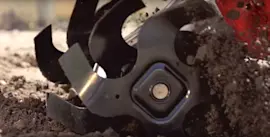
On the MTD rear-tine tiller model 21AA40M1031, the tines are the hoe-shaped blades mounted on a power-driven shaft that do the actual soil cutting and mixing. The most common tine styles you’ll see are bolo, pick and chisel, and slasher, each designed for different soil conditions and tilling goals.
Common tine types and what they’re best for
- Bolo tines: Curved blades that “slice” and mix soil; best for general garden prep and previously worked soil.
- Pick and chisel tines: More aggressive points and edges; best for harder ground, compacted soil, and breaking new areas.
- Slasher tines: Designed to chop through heavy vegetation and residue; best for weedy plots and tougher surface material.
How tine style affects performance on a rear-tine tiller
Your 21AA40M1031 is a CRT (counter-rotating tine) tiller, meaning the wheels pull forward while the tines rotate backward to create a deeper “digging” action. Tine style changes how that digging feels and how cleanly the machine moves through soil.
| Tine type | Soil condition | Typical result |
|---|---|---|
| Bolo | Loamy, already-tilled | Smooth mixing, even seedbed |
| Pick and chisel | Hard, compacted | Strong bite, deeper breakup |
| Slasher | Weedy, residue-heavy | Better chopping, less wrapping |
Tips for choosing and using tines
- Match tine style to the toughest condition you expect (hardpan, weeds, or normal garden soil).
- Set depth gradually; the manual recommends starting shallow (about 1 inch) when using the tiller for the first time.
- Keep shields adjusted for control and cleaner rows (side shield and rear tine shield).
- If debris builds up, stop the engine and disconnect the spark plug wire before clearing.
- Avoid pushing down on the handlebars; it reduces wheel traction and can make tilling harder.
Why it matters
The right tine type reduces bouncing, improves traction, and helps you reach your target tilling depth with fewer passes, which also lowers strain on the drive and transmission.
For control locations, depth settings, and safe operating guidance, use the 21AA40M1031 owner's manual.
Last updated: February 2026
What kind of tiller is best for heavy duty work?
For heavy-duty work like breaking new ground, rocky soil, or areas with roots, a rear-tine tiller is the best choice. Your MTD rear-tine tiller model 21AA40M1031 is a CRT (counter-rotating tine) design; as the wheels pull forward, the tines rotate backward to dig deeper and resist bouncing.
Why a rear-tine (CRT) tiller handles heavy-duty jobs
A CRT rear-tine tiller creates an “uppercut” tine action that digs in and uproots soil and weeds instead of skimming across the surface.
- Digs aggressively in compacted soil
- Handles rocks and rooty ground better than front-tine units
- Tracks straighter because the drive wheels pull the machine forward
- Reduces operator effort compared to forcing a lighter tiller to bite
- Works well for both initial ground-breaking and later seedbed passes
How to get the best results in tough soil (21AA40M1031 tips)
We recommend following the operating techniques in the 21AA40M1031 owner’s manual. These are the same methods we use to prevent wheel spin and keep the engine from laboring.
- Do not push down on the handlebars to force depth; it reduces wheel traction
- Make multiple passes; dig as deeply as possible each pass without overloading the engine
- If wheels spin in soft dirt, lift slightly on the handlebars to help the tiller move forward
- “Fishtail” the handlebars side-to-side about 6 to 12 inches to help clear debris from the tines
- Water the area a few days before tilling; let freshly worked soil rest 1 to 2 days before a final deep pass
Quick comparison: heavy-duty tiller types
| Tiller type | Best use | Heavy-duty performance |
|---|---|---|
| Rear-tine (CRT) | New ground, rocky/rooty soil | Best |
| Rear-tine (forward-rotating) | General garden prep | Very good |
| Front-tine | Light soil, small gardens | Limited |
Why it matters
Choosing a rear-tine CRT tiller helps you reach working depth with fewer passes, better traction, and less strain on the engine and operator, especially when soil is hard-packed or full of debris.
Last updated: February 2026