Error Codes




Is it worth fixing a gas oven?
For an Amana gas range model AGR5330BAW3, it’s usually worth fixing the oven when the repair is a common, targeted part replacement (like an igniter, temperature sensor, or door seal) and the total repair cost stays well below the price of a comparable new range.
A simple guideline we use is: if the repair estimate is more than about half the cost of replacing the range, replacement often makes more sense. If it’s under that threshold, repair is typically the better value.
Many oven problems on gas ranges come down to a few serviceable components. If symptoms match, these repairs are commonly cost-effective:
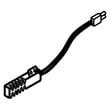
- Oven won’t heat or takes a long time to ignite: check the igniter, hot surface W11176454
- Oven temperature is inaccurate or swings: test the range oven temperature sensor WPW10181986
- Heat leaks, long preheat times, or uneven baking: inspect/replace the oven seal WPW10535778
- Surface burners won’t spark consistently: inspect the spark system (module, switches, wiring)
- Knobs hard to turn or burner control issues: inspect burner valve/knob fit and condition
| Situation | Usually best choice | Why |
|---|---|---|
| Single failed part, range otherwise works well | Repair | Lowest cost, fastest return to service |
| Multiple major issues at once | Depends | Costs add up quickly |
| Gas odor, suspected gas valve/regulator issue | Service call first | Safety-critical diagnosis |
| You need features your current range lacks | Replace | Better long-term satisfaction |
A gas oven that’s failing to ignite or hold temperature can waste gas, cook unevenly, and create frustration at every meal. Fixing the right component restores safe ignition and consistent baking performance.
- Get a clear symptom list (no heat, weak ignition, inaccurate temp, etc.)
- Price the likely part(s) and include labor if you’re not DIYing
- If you smell gas, shut off the gas supply and have a qualified technician diagnose the issue
Last updated: January 2026
How many years should a gas oven last?
Most gas ovens, including the oven in your Amana gas range AGR5330BAW3, typically last about 15 to 20 years with normal household use and basic maintenance. Heavy use, poor ventilation, and delayed repairs can shorten that lifespan, while prompt fixes and regular cleaning can extend it.
- How often you cook (daily high-heat use wears parts faster)
- Cleaning habits (grease buildup can restrict airflow and affect ignition)
- Door seal condition (heat loss makes the oven work harder)
- Ignition performance (slow ignition stresses components)
- Accuracy of temperature control (overheating cycles increase wear)
If your AGR5330BAW3 is heating unevenly, taking too long to preheat, or not lighting reliably, replacing a failed component is often more cost-effective than replacing the whole range.
Helpful examples for this model:
| Symptom | What it often points to | Example compatible part for AGR5330BAW3 |
|---|---|---|
| Oven won’t heat or lights late | Weak/failed igniter | Igniter, Hot Surface W11176454 |
| Temperature swings or bakes unevenly | Sensor drifting out of spec | Range Oven Temperature Sensor WPW10181986 |
| Long preheat, heat escaping, hot handle | Worn door gasket | Oven Seal WPW10535778 |
A gas oven that is struggling to ignite or hold temperature can waste fuel, cook inconsistently, and put extra strain on the gas valve and controls. Keeping ignition and sealing components in good shape helps your AGR5330BAW3 reach its full service life.
Last updated: January 2026
How much does it cost to change an electric oven to gas?
Converting an electric oven to a gas setup typically costs about $125 to $2,000, depending on whether you already have a gas line, the right electrical supply, and proper ventilation. For an Amana gas range like AGR5330BAW3, the bigger cost is usually the home gas and electrical work, not the range parts.
Common cost drivers include:
- Running a new gas line (or extending an existing one)
- Shutoff valve and connector installation
- Electrical changes (many gas ranges still need 120V power for ignition and controls)
- Ventilation updates (hood, ducting, make-up air requirements in some areas)
- Permits and inspections (often required for gas work)
| Scenario | What’s usually needed | Typical cost range |
|---|---|---|
| Gas line already behind the range | Hookup, shutoff valve, connector, basic labor | $125 to $500 |
| No gas line at the range location | New/extended gas piping, permits, labor | $500 to $2,000+ |
| Electrical not suitable | Add/modify outlet/circuit for the new range | $150 to $600+ |
Gas conversions are not a DIY “swap the plug” job. We recommend:
- Using a licensed plumber or gas fitter for gas piping and leak testing
- Using a licensed electrician for any circuit or outlet changes
- Confirming the fuel type (natural gas vs LP) and any required conversion steps
A correct gas installation protects your home and helps your range heat consistently. Even on a reliable model like AGR5330BAW3, ignition and burner performance depend on proper gas pressure, correct connections, and safe electrical grounding.
If you’re troubleshooting ignition after installation, a common service part is the igniter, hot surface W11176454.
Last updated: January 2026
Why are Gas stoves being discontinued?
Gas stoves (including the Amana AGR5330BAW3 gas range) are not universally “discontinued”; instead, some areas and builders are choosing electric or induction due to energy policy goals and concerns about indoor air quality from combustion. Availability can vary by location, building codes, and retailer demand.
Several factors are influencing why some markets are moving away from gas ranges:
- Local or state building policies that encourage electrification in new construction
- Consumer preference for induction and smooth-top electric cooking
- Indoor air quality concerns when ventilation is poor or a hood is not used
- Utility and energy-efficiency programs that promote electric appliances
- Builder standardization (it is often simpler to spec all-electric homes)
Your AGR5330BAW3 is a supported gas range platform with serviceable components. If you plan to keep it running, focusing on ignition and gas delivery parts is usually the most practical approach.
Common “keep it cooking” parts customers replace include:
- Igniter, hot surface W11176454 (helps the oven burner light reliably)
- Range spark module W11590249 (controls spark for surface burner ignition)
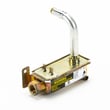
- Range burner control valve WPW10141709 (regulates gas flow to a surface burner)
- Range oven temperature sensor WPW10181986 (helps the oven maintain accurate temperature)
| Topic | Gas range | Electric or induction |
|---|---|---|
| Heat response | Fast flame adjustment | Induction is very fast; standard electric is moderate |
| Ventilation importance | Higher (combustion byproducts) | Lower (no combustion) |
| Power outage cooking | Often possible (manual lighting varies by design) | Typically not usable |
| Service needs | Ignition, valves, burner cleaning | Elements, controls, sensors |
Understanding the “why” helps you decide whether to repair or replace. If your home already has a gas line and you like flame cooking, repairing key parts can be cost-effective; if you are remodeling or building new, electrification requirements may influence your options.
Last updated: January 2026