Owner’s manual
 Error Codes


What is the energy rating of the Samsung RF31FMESBSR?
The Samsung RF31FMESBSR refrigerator’s exact energy rating depends on the region and the official efficiency label used there (for example, U.S. EnergyGuide versus EU energy classes). For the correct rating for your unit, we recommend checking the model’s documentation and the rating label on the cabinet.
- Look for the EnergyGuide style label (U.S.) or an energy class label (EU/UK) on the refrigerator
- Check the rating plate inside the fresh food compartment (often on a side wall)
- Review the specifications section in the RF31FMESBSR owner's manual
- If you have the original sales listing, compare the listed kWh/year to the label on the unit
Energy labels vary by country, but they typically include the same core data.
| Label type | What it usually shows | Best for |
|---|---|---|
| U.S. EnergyGuide | Estimated kWh/year and estimated yearly operating cost | Comparing similar-size refrigerators in the U.S. |
| EU energy label | Efficiency class (letter grade) plus annual energy use | Comparing models sold in EU/UK markets |
The “A+” energy class is an EU-style rating and is not used on U.S. EnergyGuide labels. Also, references that mention other Samsung models (even if they look similar) do not reliably apply to RF31FMESBSR because efficiency ratings are model-specific.
Energy ratings help you estimate operating cost and compare efficiency across similar bottom-mount and French door refrigerators. Using the exact RF31FMESBSR label avoids mismatches caused by different markets, revisions, or feature packages.
Last updated: February 2026
What is the most common problem with Samsung refrigerators?
The most common issue we see on Samsung refrigerators like model RF31FMESBSR is a cooling problem caused by frost or ice buildup around the evaporator area, which restricts airflow and makes the fresh food section warm. Ice maker and water dispensing problems are also frequent.
- Refrigerator section warms up but the freezer still seems cold
- Frost or a solid ice sheet on the back wall inside the refrigerator
- Fan noise, rubbing, or a clicking sound (fan hitting ice)
- Temperature swings, food freezing in the fresh food section, or both
- Ice maker stops producing ice or produces small, hollow cubes
On French door and bottom-mount designs, airflow is everything. These checks solve many “not cold enough” complaints without replacing parts:
- Confirm vents are not blocked by food packages
- Set temps to typical targets: 37°F fresh food, 0°F freezer
- Look for visible frost buildup behind interior panels
- Clean condenser coils and make sure the condenser fan area is clear
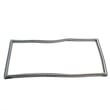
- Check door gaskets for gaps and make sure doors close fully
For model-specific control settings, diagnostics, and recommended temperatures, use the RF31FMESBSR owner's manual.
If basic checks point to a defrost or airflow failure, these parts are often involved on this model family:
| Problem area | What it affects | Example part on this model page |
|---|---|---|
| Evaporator airflow | Moves cold air through compartments | Samsung refrigerator fresh food evaporator cover assembly DA97-13757A |
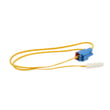
| Temperature sensing | Tells the control board when to cool/defrost | Refrigerator temperature sensor (examples: DA32-10104N, DA32-00033C) |
| Water supply to ice maker | Ice maker fill and dispenser flow | Refrigerator water inlet valve DA62-04027A |
When airflow is restricted by frost, the refrigerator can run longer, temperatures become unstable, and the ice maker performance drops. Catching it early helps prevent food spoilage and reduces strain on major components like the compressor.
For ice-maker-specific troubleshooting steps, we recommend why your Samsung fridge stopped making ice and how to fix it.
Last updated: February 2026
What is the downside to Samsung fridge?
For a Samsung refrigerator like model RF31FMESBSR, the most common downsides are ice maker performance problems, temperature inconsistency (warm fresh food section or soft ice cream), and higher repair complexity and cost when sealed-system or electronic controls are involved. Use the RF31FMESBSR manual to confirm your feature set and recommended settings.
- Ice maker issues: slow production, clumping, jams, or leaking into the bin
- Cooling complaints: fresh food too warm, freezer too warm, or wide temperature swings
- Frost buildup behind interior panels that blocks airflow
- Noisy operation from fans or airflow components
- Water dispenser problems (weak flow, dripping, or no water)
- More expensive repairs when the compressor or control boards are involved
- Verify temperature settings and allow 24 hours after changes.
- Make sure vents are not blocked by food packages.
- Check door closing and gasket contact all the way around.
- If ice is clumping or hollow, confirm the water supply valve is fully open and the line is not kinked.
- If you see frost on the back wall, a defrost or airflow issue is likely.
| Symptom | Common area involved | Example part for this model |
|---|---|---|
| Warm fresh food section | Airflow/evaporator area | Samsung refrigerator fresh food evaporator cover assembly DA97-13757A |
| Weak or no water to dispenser/ice maker | Water supply into fridge | Refrigerator water inlet valve DA62-04027A |
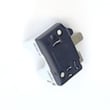
| Clicking, not starting, or intermittent cooling | Compressor start circuit | Refrigerator compressor overload protector DA34-00004D |
These issues usually trace back to airflow, water supply, or temperature sensing. Catching them early helps prevent food spoilage, reduces frost buildup, and avoids running the compressor harder than necessary.
Last updated: February 2026
How to defrost Samsung refrigerator RF31FMESBSR?
To defrost your Samsung RF31FMESBSR, we recommend using the built-in forced defrost (FD) mode first; it melts frost from the evaporator without you having to unplug the refrigerator. Use the exact button sequence shown in the RF31FMESBSR owner's manual.
- Empty the most affected section (fresh food or freezer) and place towels to catch meltwater.
- Press the correct key combination for your control panel (it varies by version); confirm on the display that FD (force defrost) is selected.
- Leave doors closed while FD runs; opening doors slows defrosting.
- When the ice is melted, exit FD per the manual and let the unit cool back down.
- Dry any standing water and reinstall shelves, bins, and drawers.
If ice buildup is heavy or airflow is blocked, a full power-off defrost clears the evaporator cover and air passages.
| Method | Typical time | Best for |
|---|---|---|
| Forced defrost (FD) | 20 to 60 minutes | Light to moderate frost, routine recovery |
| Power-off defrost | 8 to 24 hours | Heavy ice, repeated icing, airflow blocked |
Do not chip ice with sharp tools or use a heat gun; that can puncture the evaporator or warp liners.
Recurring frost usually means warm, moist air is getting in or the defrost system is not clearing ice.
- Door not sealing (gasket gaps, door not closing square)
- Doors opened often or left ajar
- Vents blocked by food packages
- Evaporator fan not moving air (common symptom: warm fridge, icy back wall)
- Temperature sensor reading incorrectly
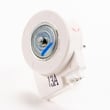
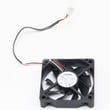
If you suspect a fan or sensor issue, common related parts for this model include the refrigerator ice maker evaporator fan da97-12540g and the refrigerator temperature sensor DA32-10104N.
Proper defrosting restores airflow across the evaporator, which stabilizes temperatures, improves ice production, and prevents the compressor from running longer than necessary.
Last updated: February 2026