 Installation guide
 Owner’s manual




What are the main parts of a dishwasher?
The main parts of a GE dishwasher like model GDT665SGN3BB include the wash system (spray arms and pump), water fill and drain components, heating and drying components, racks, and the controls that run each cycle. These parts work together to fill, wash, heat, drain, and dry.
Core dishwasher systems (what they do)
- Fill system: brings water into the tub (water inlet valve and supply line)
- Wash system: circulates water through spray arms to clean dishes (wash pump, spray arms, sump)
- Heating and drying: heats wash water and helps dry dishes (heating element, venting)
- Drain system: pushes dirty water out (drain pump, drain hose, air gap if your home has one)
- Door and safety: keeps the door sealed and confirms it is latched (latch, gasket)
- Controls: user interface and control board that run timing, sensors, and motors
Common “main parts” you will see on GDT665SGN3BB
| Area | Parts you interact with | Parts that do the work |
|---|---|---|
| Inside the tub | Racks, silverware basket, filters | Spray arms, sump, wash pump, heating element |
| Door | Detergent dispenser, rinse aid dispenser | Door latch, tub gasket |
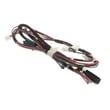
| Under the unit | None | Water inlet valve, drain pump, drain hose, wiring |
Model-specific examples of key parts
These are common “main parts” customers replace when troubleshooting cleaning, filling, draining, or starting issues:
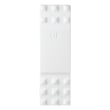
- Dishwasher water inlet valve WD15X26078 (fills the dishwasher)
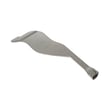
- Dishwasher drain pump WD19X25461 (drains water out)
- Dishwasher spray arm, lower WD22X33499 (sprays wash water)
- Element heat WD05X35098 (heats water and supports drying)
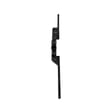
- GE dishwasher door latch lock WD21X10490 (confirms the door is closed)
Why it matters
Knowing the “main parts” helps you match symptoms to the right system. For example, poor cleaning often points to spray arms, filters, or the wash pump; not draining often points to the drain pump, drain hose, or a clogged air gap.
Where to confirm features on your exact unit
Rack layout, dispenser use, and care steps can vary by configuration. We recommend checking the GDT665SGN3BB owner’s manual for the exact component locations and usage details (detergent dispenser, rinse aid adjuster, loading guidance, and filter cleaning intervals).
Last updated: February 2026
What is the average lifespan of a GE dishwasher?
A GE dishwasher typically lasts 10 to 12 years. For your GE GDT665SGN3BB, consistent cleaning and correct detergent use are the biggest factors that keep wash performance strong and help the machine reach its normal service life; see the GDT665SGN3BB owner's manual for care routines.
Typical lifespan range (what to expect)
Most modern residential dishwashers fall into a predictable range based on use and upkeep:
- Typical average: 10 to 12 years
- Common overall range: 8 to 15 years
- Heavy daily use: tends toward the lower end
- Light use + good maintenance: tends toward the higher end
| Usage pattern | What usually happens | Expected outcome |
|---|---|---|
| 1 load/day, basic upkeep | Normal wear on pumps, seals, racks | Around the average |
| 2+ loads/day, hard water | Faster mineral buildup and seal wear | Shorter lifespan |
| Regular cleaning + rinse aid | Better drying, fewer deposits | Longer lifespan |
What shortens a dishwasher’s life fastest
These are the most common life-reducers we see on GE dishwashers:
- Hard-water mineral buildup inside the tub and wash system
- Skipping periodic interior cleaning and deodorizing
- Overloading or blocking spray paths (poor circulation strains the wash system)
- Running with a leaking door seal or tub gasket
- Repeated drain issues (standing water stresses the drain system)
Maintenance that helps you reach 10 to 12 years
The care steps below are simple and make a measurable difference:
- Clean and deodorize the interior periodically (citric acid or dishwasher cleaner)
- Keep spray arms clear of debris so water can circulate freely
- Use a dishwasher detergent and rinse aid intended for automatic dishwashers
- Wipe the control panel with a lightly damp cloth, then dry
- Address leaks and draining problems early instead of continuing to run cycles
Why it matters
Dishwashers usually fail from wear on moving water-system parts (wash pump, drain pump, seals) or from buildup-related performance problems. Regular cleaning reduces deposits and helps the dishwasher wash, drain, and dry without extra strain.
Last updated: February 2026
What is the most common problem with GE dishwashers?
The most common problems we see on GE dishwashers like model GDT665SGN3BB are not draining, not starting, and poor cleaning. These usually trace back to a clogged filter or drain path, a door not latching fully, or a wash system issue such as a restricted spray arm.
Most common issues and what to check first
- Dishwasher won’t run: confirm the door is firmly closed; check for a tripped breaker or a wall switch that powers the dishwasher.
- Not draining: check the filter area and drain hose routing for clogs or kinks.
- Poor cleaning: make sure dishes are not blocking the detergent cup or spray arms.
- Suds in the tub: use only automatic dishwasher detergent (hand dish soap causes heavy suds and poor wash performance).
- Hard water film or spots: use rinse aid and run a cleaner cycle as needed.
Quick symptom-to-part match (common on this model)
| Symptom | Most likely area | Example part for GDT665SGN3BB |
|---|---|---|
| Won’t start or stops early | Door latch, controls | GE dishwasher door latch lock WD21X10490 |
| Not draining / water left in tub | Drain path, drain pump, hose | Dishwasher drain pump WD19X25461 |
| Not cleaning well (especially lower rack) | Spray arm, wash pump | Dishwasher spray arm, lower WD22X33499 |
| Not filling or fills slowly | Water supply, inlet valve | Dishwasher water inlet valve WD15X26078 |
What the manual recommends (high-impact fixes)
- Use only automatic dishwasher detergent to prevent sudsing and wash issues.
- If the unit won’t run, verify power, then confirm the proper Start sequence and that the control panel is not locked.
- If dishes block the dispenser, reposition items so water from the lower spray arm can flush the detergent cup.
For model-specific operating steps, detergent placement, and troubleshooting tables, follow the GDT665SGN3BB owner’s manual.
Why it matters
Drain, latch, and spray issues can look like “the dishwasher is bad,” but they are often a single restriction or failed component. Checking the basics first prevents repeat problems and helps you replace only the part that actually caused the symptom.
Last updated: February 2026





