


Is a 7.4 cu ft dryer big?
Yes. A 7.4 cu. ft. dryer is considered large capacity, and it is a great fit for most households using the Whirlpool WED5100HC3 because it can handle bigger mixed loads and bulky items with fewer cycles than smaller drums.
What “7.4 cu. ft.” means in real use
A 7.4 cu. ft. drum is typically used for:
- Large mixed loads (everyday clothes plus towels)
- Bulky items like comforters, blankets, and pillows
- Fewer loads per week for families
- Better tumbling room, which can improve drying performance when you avoid overloading
Quick size guide (common dryer capacities)
| Capacity range | Typical label | Best for |
|---|---|---|
| 5.0 to 6.0 cu. ft. | Standard | Singles, couples, smaller loads |
| 6.1 to 7.0 cu. ft. | Medium to large | Most households |
| 7.1 cu. ft. and up | Large to extra-large | Families, bulky items |
Tips to get the most from a large-capacity dryer
Even with a large drum, airflow matters as much as space.
- Do not pack the drum tight; leave room for tumbling
- Clean the lint screen every load
- Keep the vent path short and as straight as possible
- If dry times get longer, check the venting first
- Replace crushed or kinked venting; a flexible hose can help routing
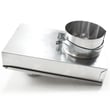
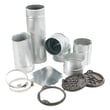
If you are updating venting behind the dryer, a compatible option for this model is the dryer flexible vent hose 4396010RP.
Why it matters
A large-capacity drum like 7.4 cu. ft. can save time because you run fewer loads, but only if the dryer can move air efficiently. Good venting and lint control help prevent long dry times and overheating.
Last updated: January 2026
What is the life expectancy of a Whirlpool dryer?
A Whirlpool electric dryer like model WED5100HC3 typically lasts 10 to 15 years with normal household use. Regular vent cleaning, consistent lint removal, and fixing small issues early (like squeaks or overheating) are what most often push a dryer toward the high end of that range.
What affects dryer lifespan the most
These habits and conditions have the biggest impact on how long a Whirlpool dryer runs reliably:
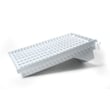
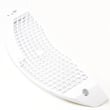
- Clean the lint screen before every load; replace a damaged lint screen if it will not sit flat (see screen W10120998).
- Keep the exhaust venting short, smooth, and clear; restricted airflow is a top cause of overheating.
- Avoid overloading; it strains the drum support system and drive components.
- Address noises early; worn rollers or an idler pulley can damage the belt and drum over time.
- Use the right cycle and heat level; excessive high-heat drying accelerates wear.
Common wear items that can extend the life of WED5100HC3
If your dryer still heats and tumbles but is getting noisy or inconsistent, these model-compatible parts are often involved:
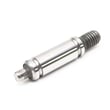
- Dryer drum support roller WPW10314173 (thumping, rumbling)
- Dryer idler pulley W10837240 (squealing, belt slack)
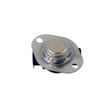
- Dryer thermal fuse W10909685 (no heat or dryer will not run after overheating)
- Dryer thermistor WP8577274 (temperature control problems)
- Dryer blower wheel WP697772 (weak airflow, loud vibration)
Quick guide: repair vs replace
| What you’re seeing | What it usually means | Typical next step |
|---|---|---|
| Loud squeal or rumble | Drum support or idler wear | Inspect rollers and idler pulley |
| Long dry times | Vent restriction or airflow issue | Clean venting; check blower wheel |
| No heat | Thermal fuse, thermostat, heater circuit | Test heat circuit parts |
| Repeated overheating | Airflow restriction or control issue | Correct venting; test sensors |
Why it matters
A dryer that is overheating or taking too long to dry is not just inconvenient; it puts extra stress on the heater circuit, motor, and drum support system. Restoring proper airflow and replacing worn drive parts can add years of service life.
Last updated: January 2026
What is the most common problem with whirlpool dryers?
For the Whirlpool WED5100HC3 electric dryer, the most common problem we see is poor drying or no heat caused by restricted airflow (lint buildup in the venting path). That restriction can overheat the dryer and trip safety devices such as the Whirlpool dryer thermal cut-off fuse kit 279973.
What usually causes the “most common” dryer problem
Restricted airflow is a top root cause because it reduces moisture removal and raises operating temperatures.
Common restriction points:
- Lint screen not cleaned every load
- Lint packed in the lint screen housing or internal ducting
- Crushed, kinked, or overly long flexible vent hose
- Clogged outdoor vent cap (stuck flap, lint, bird nest)
- Too many elbows or an overly long vent run
Quick checks we recommend first (WED5100HC3)
Start with airflow checks before replacing parts:
- Clean the lint screen; wash off residue if it feels waxy
- Run Timed Dry and check strong airflow at the outside vent
- Inspect the vent hose behind the dryer for kinks or crushing
- Clean the full vent run to the exterior; confirm the vent flap opens
- If heat stops mid-cycle, correct venting first to prevent repeat overheating
When it’s likely a part (common suspects)
If airflow is good but symptoms continue, these model-compatible parts are often involved:
| Symptom | What to inspect | Example compatible part |
|---|---|---|
| Runs but no heat | Safety cut-off devices in the heater circuit | Whirlpool dryer thermal cut-off fuse kit 279973 |
| Long dry times with weak airflow | Blower wheel damage or lint blockage | Dryer blower wheel WP697772 |
| Heat cycles oddly or dries inconsistently | Temperature sensing | Dryer thermistor WP8577274 |
Why it matters
Fixing venting first helps the WED5100HC3 dry faster and helps prevent overheating that can repeatedly open thermal cut-offs and thermostats.
Last updated: January 2026